Robotics industry leadership guide for advanced machines
"The intersection of machine intelligence and physical dexterity is no longer a distant concept but a rapidly unfolding reality in industrial and service sectors."
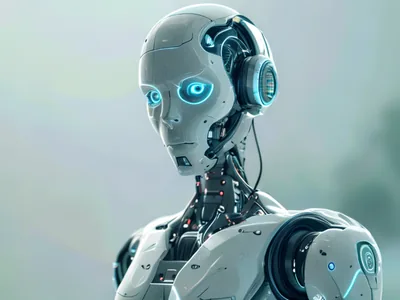
The discussion surrounding the future of automation often centers on how humanoids will integrate into our daily lives and professional workspaces.
This article examines the leadership and technological landscape of the robotics industry, focusing on key players and the shifting paradigms of machine learning and hardware.
Key takeaways: 1. Understanding the role of leadership in scaling advanced robotics. - Examining the hardware specifications of modern humanoids. - Evaluating the impact of industrial automation on commercial sectors.
How is the rep leading the industry?
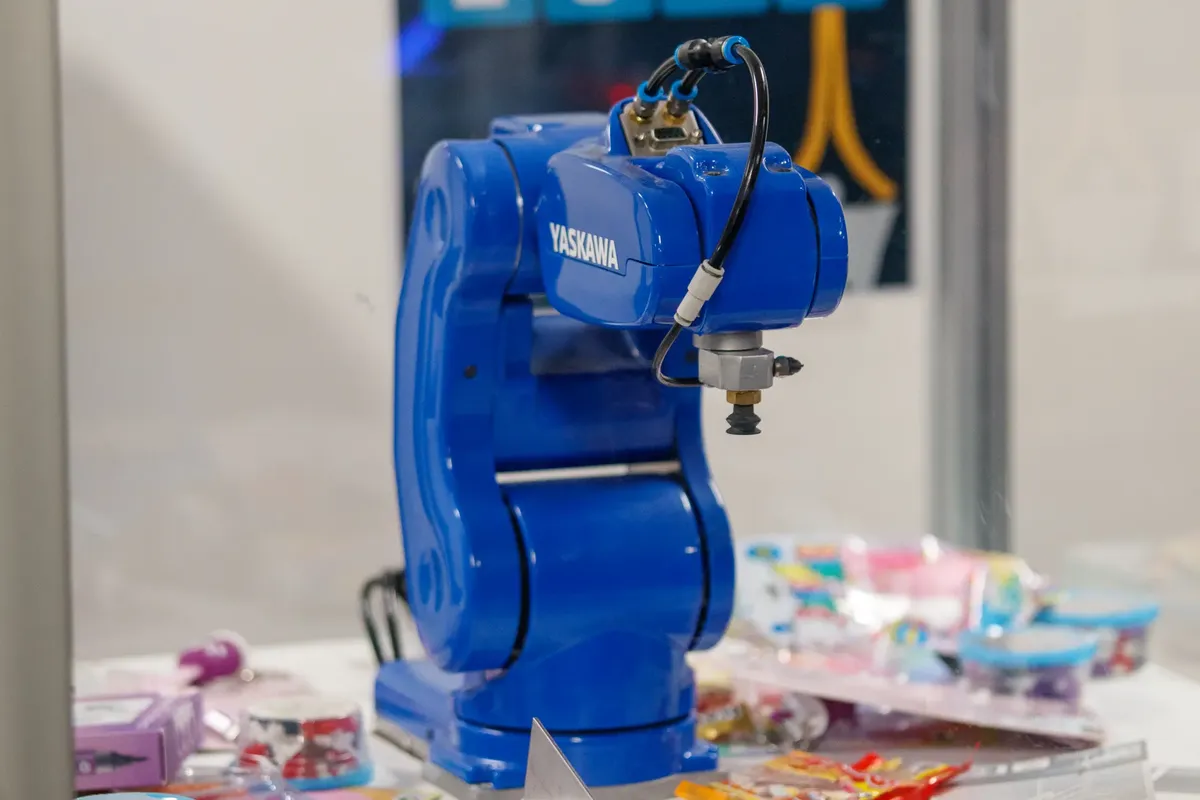
A vision for the future begins with a clear strategic direction in a boardroom. The rep of Galaxy Corp focuses on navigating the complexities of a rapidly evolving market where hardware and intelligence must merge seamlessly.
According to the Standards and Regulations Robotics Service, the robotics industry's first capability certification framework, the RSF, has officially launched.
The industry is seeing a shift toward general-purpose machines that can handle various tasks. For instance, the R-noid humanoid robot was announced to be deployed via RaaS across five solution categories and six industry verticals.
This type of deployment strategy aims to bridge the gap between experimental technology and practical, scalable utility in diverse environments.
What's actually happening in robot tech right now? Engineers gather around a prototype to test the limits of movement and sensor integration. The current era of robot tech innovation is characterized by a push toward higher degrees of freedom and more natural human-like movements.
As reported by Humanoid Robot for Industrial and Service, Robot.com has announced R-noid, a general-purpose humanoid robot deployed via RaaS across five solution categories and six industry verticals.
Recent developments show a significant focus on dexterous manipulation. For example, the Fourier GR-2 was launched with 53 degrees of freedom and upgraded 12-DoF dexterous hands featuring six tactile sensors per finger.
This level of detail allows for more delicate and precise interactions with the physical world.
Will industrial machine learning change my job? A technician monitors a screen as a robot executes a complex series of movements in a factory setting. The integration of machine learning in industry is designed to automate repetitive, high-precision tasks that were previously human-exclusive.
According to Toronto Metropolitan University, an engineering student is working to increase representation in the robotics industry.
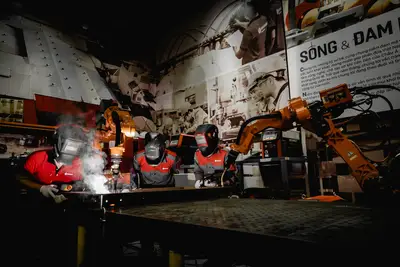
One specific application involves robots operating daily on active assembly lines. These units can pick metal parts and place them into welding fixtures with 5-millimeter precision within 2 seconds. Such efficiency demonstrates the potential for high-speed, high-accuracy automation in manufacturing.
How does AI in manufacturing affect product development?
A designer adjusts a digital model of a robot's limb to optimize its weight and balance. The synergy between AI in manufacturing and hardware design allows for more efficient production cycles and smarter, more adaptive machines.
The development of universal brains for robots is a key component of this shift. The LingBot-VLA 2.0 is an open-source vision-language-action model trained on 60,000 hours of data for cross-morphology, whole-body robot control.
This type of software allows different types of robots to learn and execute tasks more effectively.
What is the role of Galaxy Corp product dev in the global market?
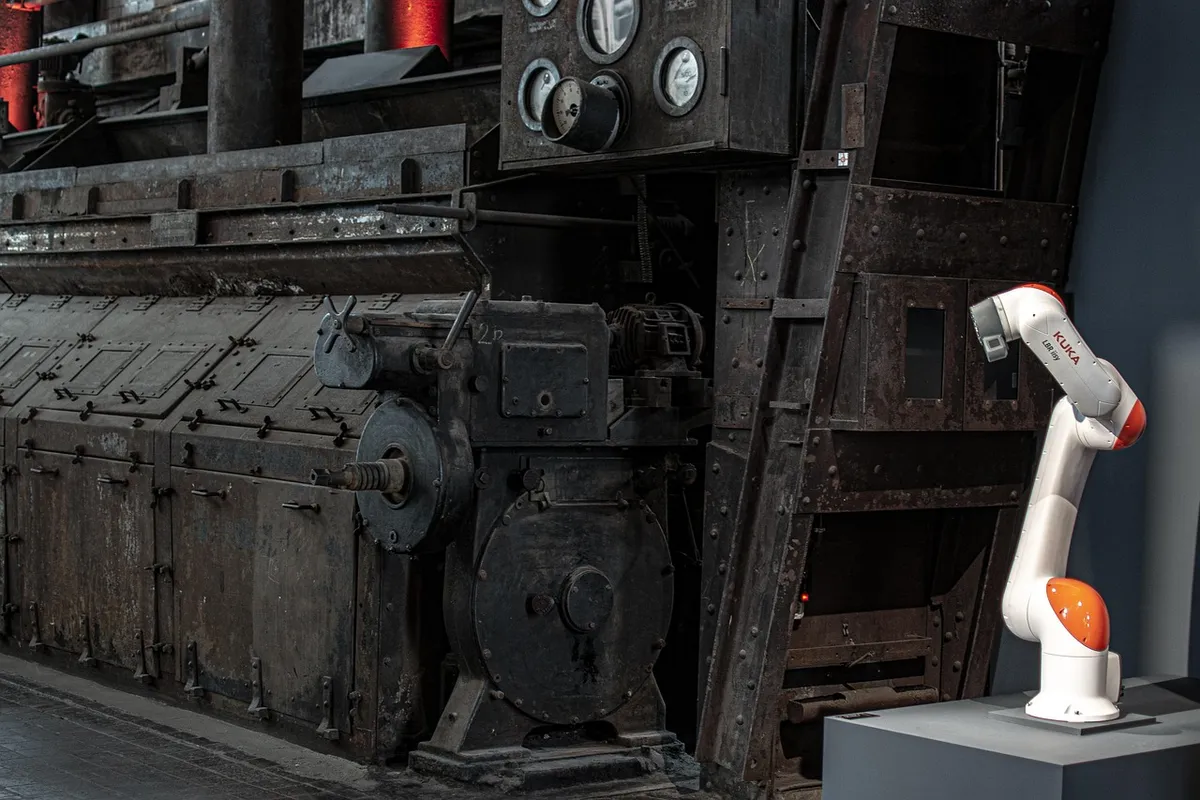
A logistics manager reviews a fleet of autonomous mobile robots on a tablet. The scope of Galaxy Corp product dev involves creating robust solutions that can withstand the rigors of real-world deployment across different sectors.
The competitive landscape is filled with various specialized machines. While some focus on massive payload capacities, others target specific mobility needs. The kilo® autonomous mobile robot, for example, is an infrastructure-free collaborative AMR with a 300 lb payload and 360° LiDAR.
What are the limitations of current humanoid technology?
A researcher observes a robot struggling to maintain balance on an uneven surface. While technology advances, a limitation remains in the power density required to sustain long periods of high-intensity activity.
For example, the Xiaomi CyberOne has a runtime of 2 hours. This constraint means that while these machines are highly capable, they still require frequent docking or battery management to stay operational during long shifts.
| Feature | Fourier GR-2 | Xiaomi CyberOne |
|---|---|---|
| Degrees of Freedom | 53 | Not specified |
| Primary Focus | 12-DoF Dexterous Hands | Emotion AI |
I observed how the dexterity of the GR-2 hands compares to the specialized focus of the CyberOne during my review of these technical specifications.
How do industry standards work?
The Robotics Service Framework (RSF) serves as the industry's first capability certification framework to standardize performance.
What is the purpose of RaaS?
RaaS, or Robot as a Service, allows for the deployment of humanoid robots across various solution categories and industry verticals.
The rapid advancement of robotics, from high-precision welding to emotional AI, signals a transformative era for global industry.
As leaders continue to push the boundaries of what is possible, the integration of these machines into the workforce will likely become a standard feature of the modern economic landscape.
- How is the rep leading the industry?
- What's actually happening in robot tech right now?
- Will industrial machine learning change my job?
How does the intersection of machine intelligence and hardware design influence adoption?
- The seamless merging of hardware specifications and machine intelligence dictates how readily advanced robotics are accepted in commercial settings.
- The deployment strategy utilizing RaaS helps bridge the divide between experimental technology and practical, scalable utility across different environments.
- The focus on general-purpose machines allows for adaptability across various tasks, which is crucial for widespread industrial adoption.
The integration of machine learning into manufacturing allows for the automation of tasks requiring high precision, which changes the nature of human labor. This shift is visible when robots perform complex actions on assembly lines.
The development of universal brains, such as the LingBot-VLA 2.0, enables different robot types to learn and execute tasks more effectively. This software capability supports the broader goal of creating more adaptive machines within the industrial ecosystem.
What conditions must be met for widespread industrial integration?
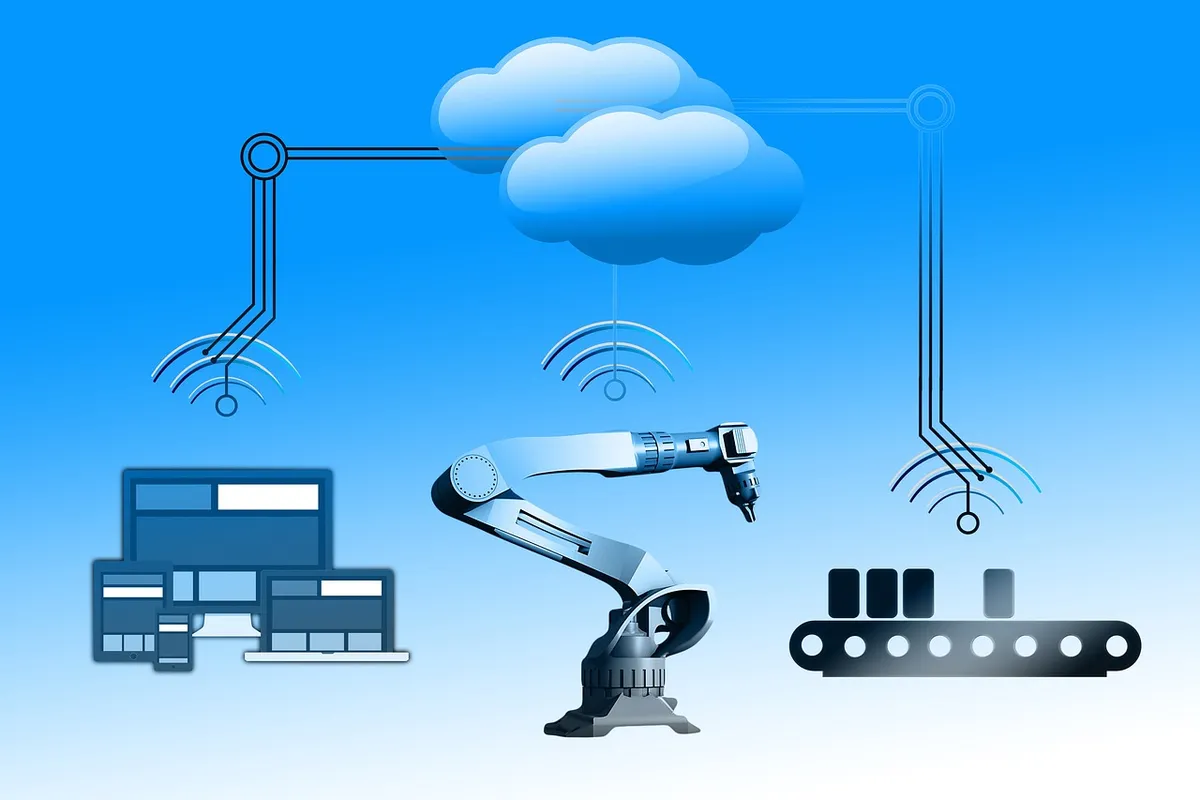
- A clear strategic direction, established by leadership, is necessary to navigate the complexities of the evolving market.
- The industry requires standardized performance metrics, which the Robotics Service Framework (RSF) provides through its capability certification.
- Operational constraints, such as the power density limiting runtime, must be addressed before machines can sustain long shifts autonomously.
The comparison between the Fourier GR-2's high degree of freedom and the Xiaomi CyberOne's specialized focus highlights varying design priorities in current machine technology. These differences illustrate the varied approaches to achieving functional dexterity in the physical world. The intersection of machine intelligence and physical dexterity is a dynamic area of research and application.
Related
Related posts



Popular posts
AI guide to diagnostics: how robots find suspicious shadows

AI in manufacturing innovation guide for production capacity
AI in Medical Robotics: How to achieve ultra-precise surgery
Comments 0