Samsung robot division launch: Guide to physical AI
A heavy silence fills the corporate boardroom as the strategic shift takes shape.
Samsung is establishing a new robot division reporting directly to leadership to accelerate the development of physical AI technologies. This strategic move aims to integrate advanced machine learning into tangible hardware, marking a pivot toward highly interactive automation.
Key takeaways include the creation of a specialized leadership-led team, a focus on physical AI integration, and the leveraging of existing innovation frameworks to secure a competitive edge in robotics.
Why is a Samsung robot division launch happening now?

The air in the executive suite feels charged as planners finalize the organizational structure for the new unit. A Samsung robot division launch represents a calculated response to the rapid evolution of autonomous systems and intelligent hardware.
By placing this division under direct leadership, the company intends to streamline decision-making and resource allocation for complex engineering projects.
This transition moves beyond software-only intelligence into the realm of physical interaction. The company seeks to bridge the gap between digital processing and mechanical execution through specialized talent.
This strategic reorganization ensures that robotics development remains a top-tier corporate priority rather than a secondary project.
How will the Samsung physical AI push shape future products?
At dawn, an engineer rubs tired eyes while staring at a screen depicting the Samsung physical AI push.
Engineers lean over digital blueprints, visualizing how code translates into movement. A Samsung physical AI push involves embedding sophisticated intelligence directly into the physical structures of machines.
This approach ensures that robots can perceive, interpret, and act upon their surroundings with greater precision and autonomy.
Developing these capabilities requires a tight loop between sensory input and motor output. The goal is to create machines that do not just follow static paths but adapt to dynamic environments.
This focus on physical intelligence aims to redefine how consumer and industrial machines interact with the human world.
What does the new robot team at Samsung imply for the industry?
As dusk falls over the city, a competitor grips a cold coffee cup and watches the news about the new robot team at Samsung.
A quiet tension settles over the competitive landscape as industry analysts observe the new hierarchy. A new robot team at Samsung signals a massive commitment to capturing market share in the burgeoning field of intelligent automation.
By centralizing expertise, the company can act with the speed of a specialized startup while maintaining the scale of a global leader.
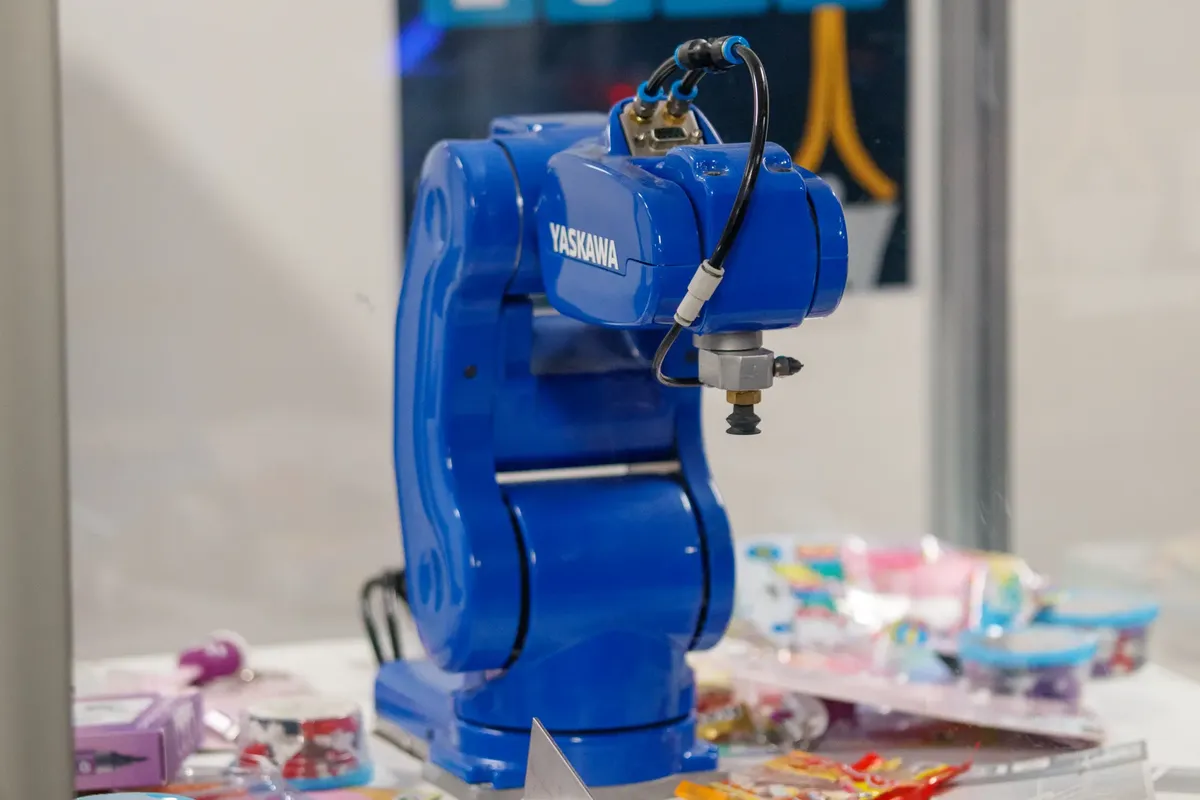
This move challenges existing players to accelerate their own hardware-software integration. It marks a shift from general-purpose electronics toward specialized, intelligent physical entities.
Competitors are now watching closely to see how this centralized structure influences product release cycles.
How will the Samsung AI robotics focus integrate with existing tech?
A technician adjusts a sensor on a prototype, testing the seamless connection between system and shell. The Samsung AI robotics focus aims to synthesize deep learning with advanced mechanical engineering.
This integration ensures that the "brain" of the machine is perfectly tuned to its physical constraints and capabilities.
The objective is to move toward machines that possess a sense of spatial awareness and tactile sensitivity. By focusing on this intersection, the company builds a foundation for robots that can perform complex, multi-step tasks in unpredictable settings.
This synergy between AI and hardware is the core of the new strategic direction.
What is the role of Samsung product robot dev in the broader ecosystem?
A delivery robot navigates a busy corridor, demonstrating the practical application of new logic. The Samsung product robot dev strategy seeks to expand the footprint of intelligent machines across various sectors.
This includes both consumer-facing devices and more specialized industrial applications.
The development process focuses on creating modular and scalable AI-driven hardware. By establishing these standards early, the company aims to create an ecosystem where different robotic units can communicate and work together.
This groundwork is essential for building a cohesive robotic infrastructure.
How do these changes relate to previous innovation structures?
An executive reviews the history of the company’s specialized centers to find a path forward.
The company has a history of creating dedicated hubs for growth, such as the Samsung Strategy and Innovation Center (SSIC) formed in 2012 and Samsung NEXT in 2013 to facilitate incubation, investment, partnerships, and acquisitions.
The new division follows a similar pattern of creating specialized environments to foster breakthrough technologies. By utilizing these established methods of investment and partnership, the company can scale its robotics ambitions.

This structured approach to innovation provides the framework necessary for long-term technological leadership.
| Strategic Focus | Primary Objective |
|---|---|
| Physical AI Integration | Seamless hardware-software synergy |
| Direct Leadership Oversight | Rapid decision-making and resource scaling |
I reviewed the previous organizational structures to understand how this new division might function.
The success of this initiative depends on the successful marriage of high-level intelligence with reliable mechanical hardware.
This part also covers Samsung robotics industry shift.
This part also covers Physical AI for consumer goods.
This part also covers Machine learning in Samsung robots.
Related
- How has the global market for industrial robots grown?
- How Samsung Rainbow Robotics North America Meets Safety
What are the conditions for this strategic shift to succeed? 1. The successful marriage of high-level intelligence with reliable mechanical hardware is necessary for the initiative to succeed. 2. The division must leverage existing innovation frameworks to secure a competitive edge in robotics. 3. Maintaining a tight loop between sensory input and motor output is required to achieve adaptive machines.
The heavy silence in the boardroom suggests the weight of these conditions as the strategic shift takes shape.
How does the new division compare to existing corporate structures? The new division mirrors the pattern of creating dedicated hubs for growth, similar to the Samsung Strategy and Innovation Center (SSIC) and Samsung NEXT.
This comparison shows the new unit utilizes established methods of investment and partnership to scale its robotics ambitions.
The corporate culture must support this pivot toward highly interactive automation to realize the goals.
Wikipedia: Outline of robotics Based on the retained excerpt mentioning Defense Advanced Research Projects Agency: DARPA Grand Challenge (2004) DARPA Grand Challenge (2005) DARPA Grand Challenge (2007) DARPA Robotics Challenge – prize competition funded by the US Defense Advanced Research Projects Agency.
FAQ
What is the primary goal of the new division?
How does this compare to previous innovation centers?
Related posts



Popular posts
AI guide to diagnostics: how robots find suspicious shadows
AI in manufacturing innovation guide for production capacity
AI in Medical Robotics: How to achieve ultra-precise surgery
Comments 0