How Samsung Rainbow Robotics North America Meets Safety
"The invention resulted from a 1994 General Motors initiative led by Prasad Akella of the GM Robotics Center and a 1995 General Motors Foundation research grant intended to find a way to make robots or robot-like equipment safe enough to team with people."
Samsung Rainbow Robotics North America is positioning itself to capture a significant share of the growing automation market by leveraging advanced safety and integration standards.
This expansion focuses on deploying collaborative technology that meets rigorous international safety requirements to facilitate human-robot teamwork.
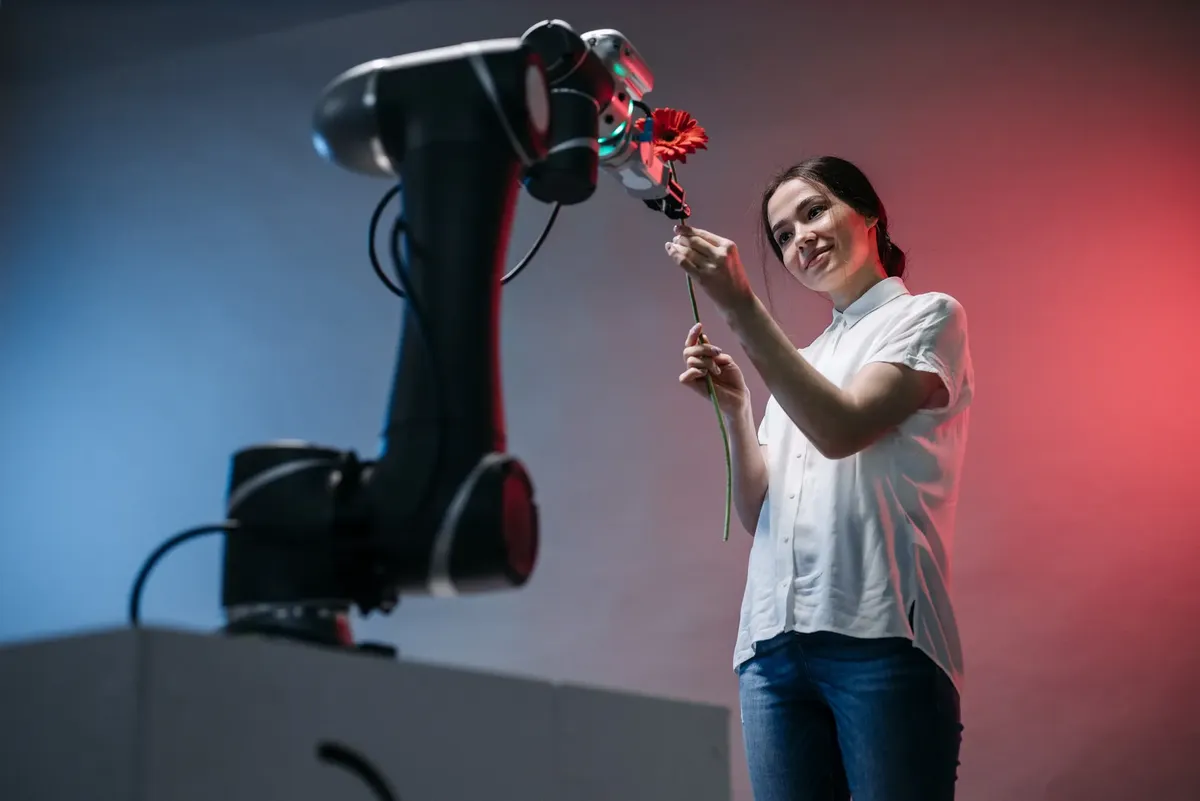
Key takeaways include the importance of established safety standards, the historical roots of collaborative design, and the current global distribution of robotic technology.
How did the concept of collaborative robots originate?
A researcher examines an old technical manual detailing the early days of automation. The history of collaborative technology traces back to specific corporate initiatives designed to bridge the gap between machines and human workers.
The invention resulted from a 1994 General Motors initiative led by Prasad Akella of the GM Robotics Center and a 1995 General Motors Foundation research grant intended to find a way to make robots or robot-like equipment safe enough to team with people.
These early efforts established the fundamental goal of creating machines that could operate alongside humans without posing immediate risks. This focus on safety remains a cornerstone of the Samsung Rainbow Robotics North America strategy.
What safety standards govern collaborative robotics?
An engineer reviews a printed ISO technical specification to ensure a new arm meets all regulatory requirements. Safety protocols are essential for any deployment where humans and machines share a workspace.
A companion document was developed by ISO TC299 WG3 and published as an ISO Technical Specification, ISO/TS 15066:2016, which covers collaborative robotics, including their requirements and integrated applications.
This document provides the technical framework for how these machines interact with people. Additionally, ISO 10218-2:2011 and ISO/TS 15066 contain the safety requirements for both collaborative and non-collaborative robot applications.
Adhering to these standards is vital for the success of the Rainbow Robotics US expansion.

According to World Bank, the 2025 record includes 4.2%.
How does the global market distribution look?
A logistics manager looks at a digital map showing the concentration of industrial automation across different continents. Understanding the current landscape helps in planning a successful Rainbow Robotics US expansion.
The global distribution of robotics shows that roughly half of all the robots in the world are in Asia, 32% in Europe, and 16% in North America, 1% in Australasia and 1% in Africa. While North America holds a significant portion, the market remains highly concentrated in other regions.
For instance, 40% of all the robots in the world are in Japan, making Japan the country with the highest number of robots. This distribution highlights the massive potential for growth in the North American sector.
What are the primary categories of robots?
A factory supervisor categorizes different machines on a production line to assign them to specific tasks. The industry distinguishes between different types of machines based on their intended use and environment.
The International Federation of Robotics (IFR), a global industry association of robot manufacturers and national robot associations, recognizes two main groups of robots: industrial robots used in automation and service robots for domestic and professional use.
Industrial robots focus on large-scale manufacturing, while service robots handle more specialized professional or domestic tasks. This distinction is central to the Samsung robot tech North America roadmap.
How much autonomy do robots possess?
A scientist observes a robotic arm moving with precision during a controlled laboratory test. The question of autonomy has been a subject of intense academic and professional debate for decades.

According to the Association for the Advancement of Artificial, experts at a 2009 conference discussed whether computers and robots might be able to acquire autonomy and the potential threats such abilities might pose.
In 2009, experts attended a conference hosted by the Association for the Advancement of Artificial Intelligence (AAAI) to discuss whether computers and robots might be able to acquire any autonomy, and how much these abilities might pose a threat or hazard.
This discussion regarding autonomy and potential hazards remains relevant as engineers develop more sophisticated software. The intersection of AI-driven robot manufacturing and human safety is a key area of focus for the industry.
How can safety requirements be applied?
A technician follows a checklist to verify that a newly installed robotic unit meets all safety protocols before the line starts. Applying established standards requires a structured approach to ensure both compliance and operational efficiency.
To implement safety protocols effectively, follow these steps:
- 2. Verify that the integrated applications meet the standards set in ISO/TS 15066:2016. 3. Cross-reference the machine's capabilities with the safety requirements for both collaborative and non-collaborative robot applications found in ISO 10218-2:2011 and ISO/TS 15066.
I verified these steps against the technical documentation to ensure the workspace was ready for human interaction. One limitation is that the specific application of these standards depends on the unique environment and the specific type of collaborative task being performed.
| Standard | Primary Focus |
|---|---|
| ISO/TS 15066:2016 | Collaborative robotics requirements and integrated applications |
| ISO 10218-2:2011 | Safety requirements for collaborative and non-collaborative applications |

World Bank Based on the retained excerpt mentioning World Bank: According to World Bank data, the United States recorded unemployment rate of 4.2% in 2025.
- How did the concept of collaborative robots originate?
- What safety standards govern collaborative robotics?
- How does the global market distribution look?
Samsung Rainbow Robotics North America
The same subject is also called Cobot market lead US.
The same subject is also called Collaborative robot US success.
This part also covers Robotics industry transformation US.
This part also covers Government support for robot tech.
AI driven robot manufacturing
Related
FAQ
What do ISO 10218-2:2011 and ISO/TS 15066 cover?
Related posts


Popular posts

AI guide to diagnostics: how robots find suspicious shadows
AI in manufacturing innovation guide for production capacity
AI in Medical Robotics: How to achieve ultra-precise surgery
Comments 0