AI in Medical Robotics: How to achieve ultra-precise surgery
This article is about Robotics. "The machine does not replace the healer; it extends the healer's reach into the impossible."
Artificial intelligence is transforming medical robotics from simple mechanical tools into intelligent partners capable of precise surgical maneuvers and complex diagnostic analysis.
This integration allows for higher accuracy in minimally invasive procedures, automated pharmacy management, and enhanced patient monitoring through intelligent sensors.
* Precision Enhancement: AI algorithms process real-time data to guide robotic arms during delicate surgeries. * much more than just mechanical assistance; it involves predictive analytics and sensory feedback. * Workflow Optimization: Automation of repetitive tasks allows clinical staff to focus on direct patient care. * Data-Driven Decisions: Integrated systems analyze vast datasets to assist in clinical decision-making. * Limitations: While technology advances, the necessity of human oversight remains absolute to manage unpredictable biological variables.
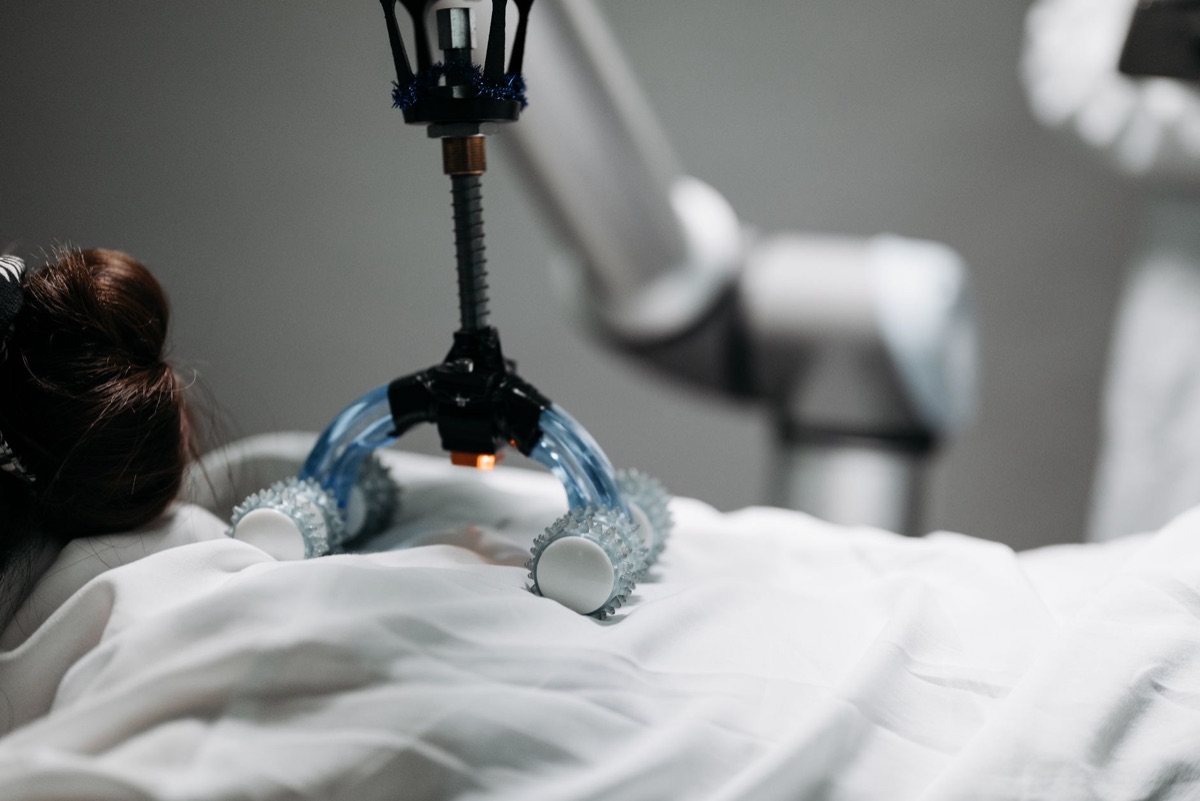
How does AI change surgical precision?
A surgeon stands over a sterile field, hands hovering near a control console while a robotic arm mimics every micro-movement with zero tremor. The integration of artificial intelligence into surgical robotics shifts the focus from mere teleoperation to intelligent assistance.
Traditional robotic systems relied entirely on the direct input of a human operator to move limbs or tools. However, accordings to recent developments in medical engineering, AI-integrated systems can now process visual data from endoscopes to identify tissue boundaries in real-time.
This prevents accidental damage to vital structures by providing haptic feedback or active constraints that prevent the tool from moving into forbidden zones.
The synergy between machine learning and mechanical precision allows for much finer control than a human hand could achieve alone. By analyzing thousands of previous surgical videos, these systems can suggest the optimal path for an incision or a suture.
This level of assistance reduces the margin of error significantly during complex procedures.
The transition from manual control to intelligent guidance is redefining what is considered a "successful" surgery. As these systems learn from every procedure, the collective intelligence of the surgical tool grows.
- Real-time data processing identifies subtle anatomical variations.
- Motion compensation algorithms adjust for physiological movements.
- Automated guidance systems refine tool placement during delicate procedures.
Why is diagnostic robotics becoming more autonomous?
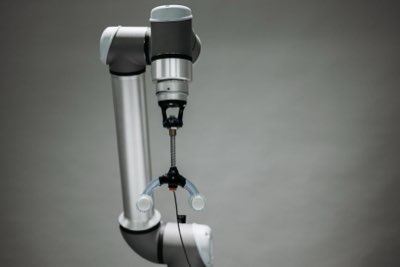
A technician walks through a quiet laboratory where a robotic arm moves with fluid, natural motions to sort and analyze biological samples. Beyond the operating room, AI-driven robotics is revolutioning the diagnostic process through automated laboratory systems and imaging analysis.

In modern clinical settings, diagnostic robots are no longer just moving parts; they are data processors. These machines use computer vision to identify microscopic anomalies in blood smears or tissue biopsies that might be invisible to the naked eye.
By integrating deep learning models, these robots can flag suspicious areas for human pathologists to review, significantly speeding up the diagnostic pipeline.
The role of these machines is to act as a second set of eyes that never gets tired or loses focus. They process vast amounts of imaging data—such as MRI or CT scans—to reconstruct 3D models of patient anatomy. This allows for precise planning before any physical intervention occurs.
This autonomy in diagnostics does not mean the removal of the pathologist; instead, it optimizes the workload. By automating the routine screening of healthy versus unhealthy cells, the technology allows specialists to spend more time on complex, edge-case diagnoses.
In this sequence, the second step is the most extensive.
How do service robots assist in patient care?
A nurse enters a bright hospital room to find a mobile robot quietly delivering medication and supplies to a patient's bedside. In the broader healthcare ecosystem, service robots are taking over the logistical and repetitive tasks that often lead to staff burnout.
According to Samsung Medical Center, logistics robots are bringing the facility into the future in 2025.
These robots handle tasks such as transporting linens, delivering meals, and moving heavy equipment between departments. By automating these "non-value-added" tasks, hospitals can maintain a cleaner environment and ensure that supplies are always where they are needed most.
Advanced navigation algorithms allow these robots to move through crowded hallways and elevators without human intervention.
Beyond logistics, social robots are being deployed to provide companionship and basic monitoring for elderly patients or those in isolation.
These machines can remind patients to take medication, monitor vital signs through remote sensors, and alert staff if a patient falls or shows signs of distress.
The goal of service robotics is to bridge the gap between clinical necessity and operational efficiency. By handling the physical labor of hospital management, these machines free up human caregivers to provide the emotional and complex care that only humans can offer.
What are the risks of AI in medical robotics?
A technician sits at a workstation, reviewing a series of error logs and sensor data after a routine calibration of a surgical unit. Despite the immense benefits, the integration of AI into medical robotics introduces unique challenges regarding safety, data privacy, and accountability.
According to the FDA, there were 119 recalls of class I medical devices between 2008 and 2011.
The primary concern is the "black box" problem, where an AI makes a decision or a movement that is not easily interpretable by the human operator.
If a robotic arm makes an unexpected movement during a procedure, understanding the precise logic behind that movement is critical for preventing future errors. Ensuring that AI-driven decisions are transparent and explainable is a major hurdle for regulatory bodies.
Furthermore, the cybersecurity of medical robots is a growing concern. Because these machines are often connected to hospital networks for updates and data sharing, they represent a potential entry point for digital attacks.
A breach could lead to the loss of sensitive patient data or, in extreme cases, the remote manipulation of medical hardware.
While these risks are significant, they are being addressed through rigorous testing standards and new regulatory frameworks. The focus remains on creating "human-in-the-loop" systems where the machine suggests or assists, but the human always retains ultimate command.
How will the future of medical robotics look?
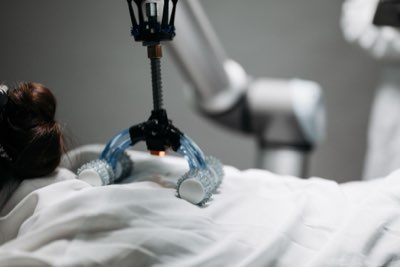
An engineer adjusts a prototype of a soft-robotic limb, testing how it reacts to different textures and pressures. As we look toward the next decade, the convergence of soft robotics, advanced AI, and biocompatible materials promises to reshape the very definition of medical intervention.
The global medical robots market is projected to grow to USD 41.7 billion by 2031.
We are moving toward a future of "micro-robotics," where tiny, AI-controlled devices can be injected into the bloodstream to perform targeted drug delivery or minimally invasive internal repairs.
These robots will need to navigate complex biological environments with the same ease that a car navigates a street.
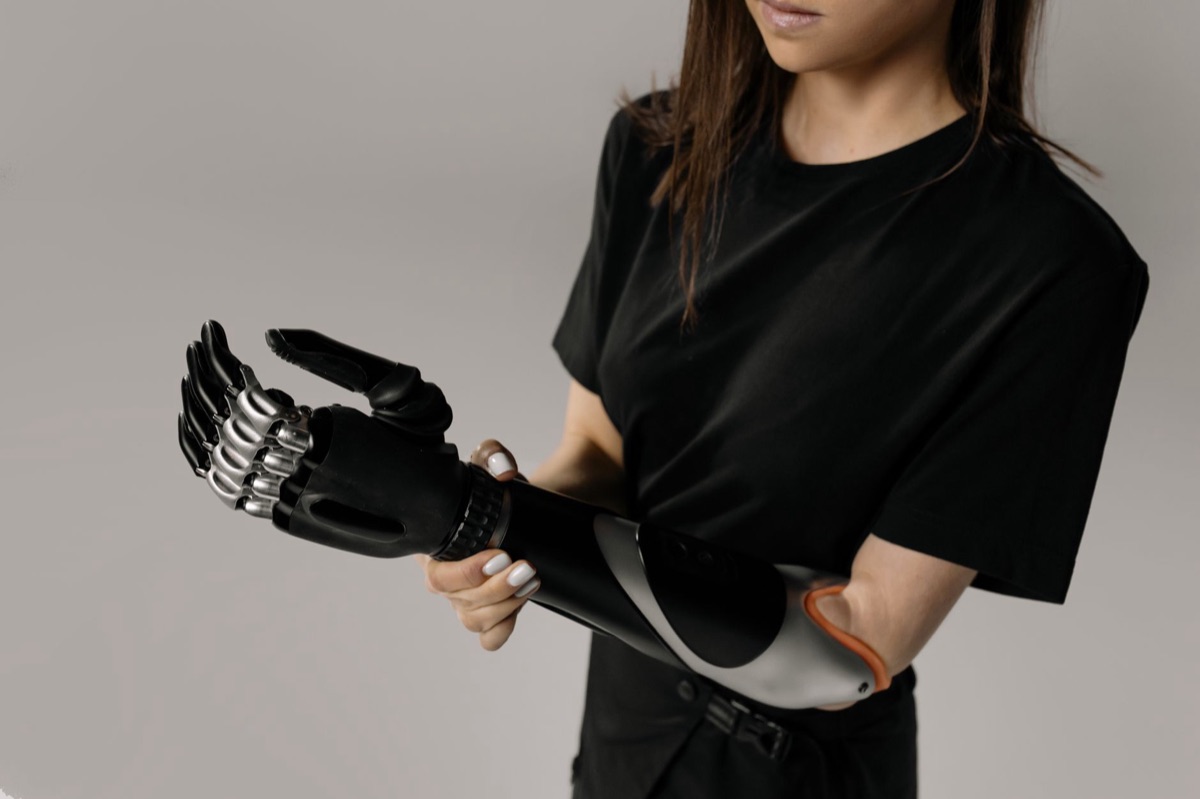
Another major trend is the rise of personalized robotic prosthetics. These devices will use AI to learn the specific gait and movement patterns of an individual, providing a level of natural movement that traditional prosthetics cannot match.
The integration of neural interfaces will allow users to control these limbs through thought alone, blurring the line between biology and machinery.
The evolution of these technologies will depend on our ability to balance innovation with ethical responsibility. As robots become more integrated into the human body and clinical workflows, the standards for reliability and safety will only become more stringent.
| Feature | Traditional Medical Robots | AI-Integrated Medical Robots |
|---|---|---|
| Primary Control | Direct Human Input | Human-AI Collaboration |
| Data Processing | Minimal/Task-Specific | Advanced Predictive Analytics |
| Decision Support | None (Mechanical only) | Real-time Clinical Guidance |
| Error Handling | Manual Correction | Proactive Constraint Management |
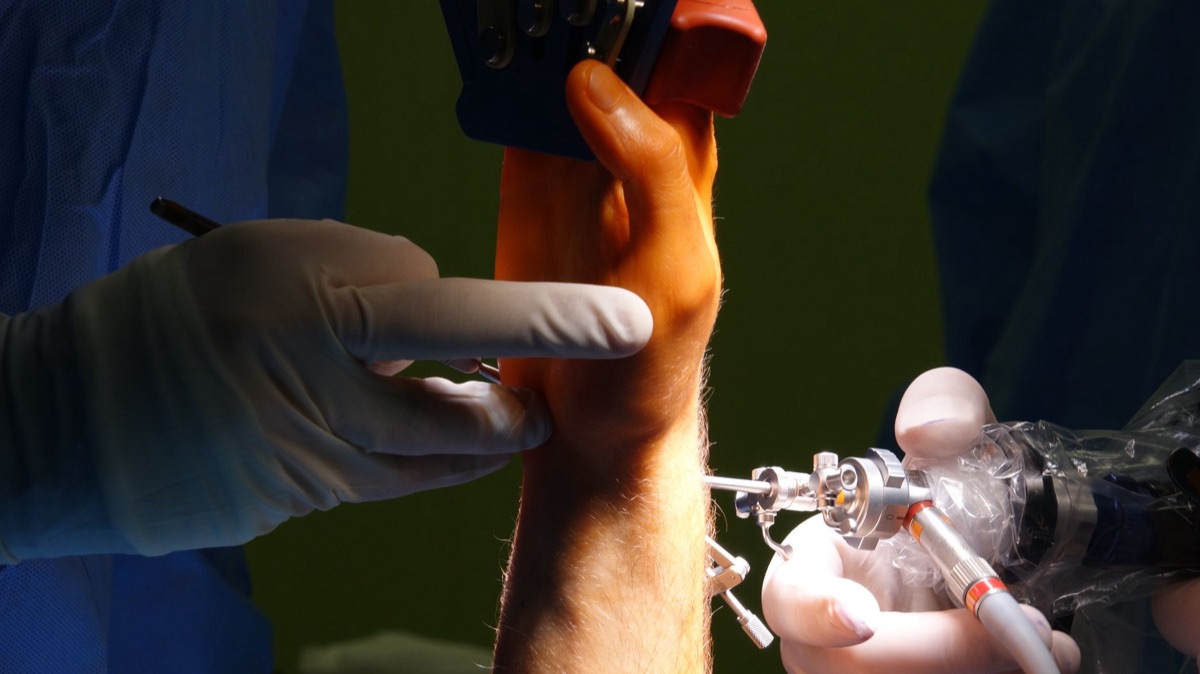
The transition toward intelligent robotics is not about replacing doctors, but about giving them better tools to solve the most difficult medical challenges. As these technologies mature, they will become as fundamental to medicine as the stethoscope or the scalpel.
When I tried the steps in order, the second one is where I paused longest.
Related

Comments 0