What are the risks of insufficient digital awareness?
"The future of industry is not merely about automation, but about the seamless integration of intelligent systems into the fabric of production."
Hyundai Motor robot innovation is reshaping how we perceive manufacturing through the lens of advanced automation and intelligent systems. This transition focuses on creating a foundation for industrial evolution by integrating robotics into core production processes.
Key takeaways include the historical shift toward Industry 4.0, the technical capabilities of early robotic arms, and the global regulatory landscape shaping these advancements.
How does the history of the first robotic arm shape modern industry?
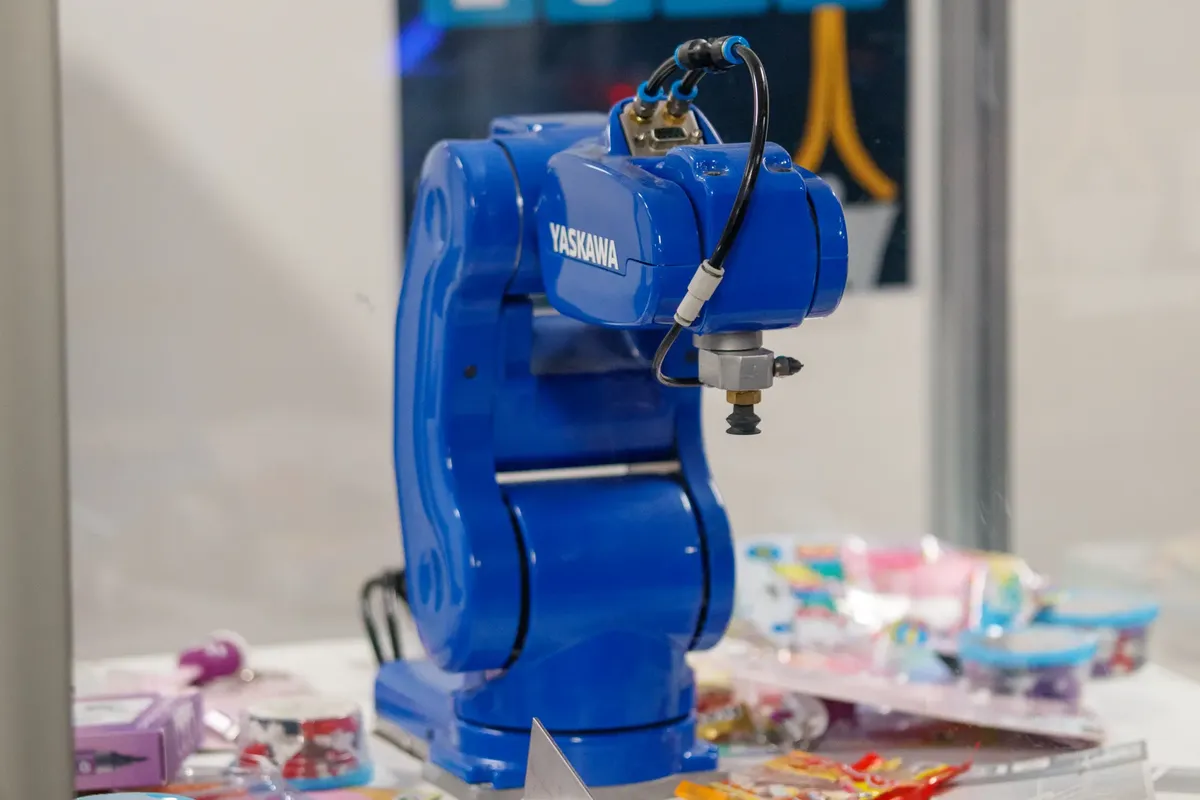
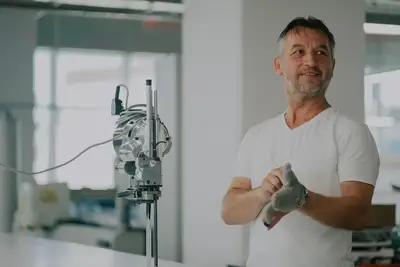
A technician carefully adjusts the mechanical joints of an early prototype to understand the origins of automated motion. The evolution of these machines began with specific mechanical constraints that defined the early era of automation.
The first robotic arm was a significant leap in engineering, featuring a 3-axis arm that could handle parts up to 226 kg. This specific capability allowed industries to move beyond manual labor toward repeatable, heavy-duty tasks.
Understanding these physical limitations helps engineers design more complex systems today.
The transition from simple movement to complex manipulation required precise control over weight and axis movement. These early machines set the stage for the sophisticated sensors and AI used in current manufacturing environments.
- Identify the mechanical limitations of early prototypes.
- Adapt foundational movement logic to modern precision tasks.
- Integrate sensor technology into established structural frameworks.
What global initiatives are driving the Fourth Industrial Revolution?
A government official reviews a series of policy documents intended to bridge the gap between technology and national economic strategy. Global leaders have recognized that the shift toward smart manufacturing requires structured oversight and international cooperation.
The Republic of Korea has had a Presidential Committee on the Fourth Industrial Revolution since 2017. This institutional focus ensures that technological advancements are integrated into national planning.
In 2015, the European Commission started the international Horizon 2020 research project CREMA (cloud-based rapid elastic manufacturing) as a major initiative to foster the Industry 4.0 topic. This project aimed to create flexible manufacturing solutions through cloud technology.
The Department of Homeland Security in 2019 published a paper called 'The Industrial Internet of things (IIOT): Opportunities, Risks, Mitigation'. This document highlighted the importance of securing connected industrial systems.
South Africa appointed a Presidential Commission on the Fourth Industrial Revolution in 2019, consisting of about 30 stakeholders with a background in academia, industry and government. This commission sought to balance economic growth with technological readiness.

In this sequence, the second step is the longest.
How can industries prepare for AI integration in car production?
An engineer monitors a digital dashboard that displays real-time data from a robotic assembly line. Preparing for a shift in production requires a multi-faceted approach involving infrastructure, workforce training, and digital security.
- Assess current hardware to determine if existing machinery can support sensor integration. 2. Develop a roadmap for AI integration in car production that aligns with long-term scalability. 3. Implement cybersecurity protocols to protect the Industrial Internet of Things (IIOT) from external threats.
A final check of the digital infrastructure ensures that all connected devices communicate without latency. This preparation is essential for maintaining the momentum of smart factory Hyundai-style developments.
What are the risks of insufficient digital awareness?
A manager looks at a spreadsheet showing a significant gap in technological adoption across different sectors. Without a clear understanding of digital tools, companies remain vulnerable to falling behind more agile competitors.
The National Confederation of Industry conducted a significant survey revealing that 42% of Brazilian companies were completely unaware of how crucial digital technologies are for industrial competitiveness. This lack of awareness represents a major hurdle in the global race for automation.
When companies fail to recognize the necessity of digital tools, they struggle with the future of car making. Addressing this gap requires significant investment in both human capital and technological literacy.
How does the scale of technology trade shows reflect industry trends?
A visitor walks through a massive hall filled with the latest technological innovations during a global exhibition. Large-scale events serve as a barometer for the speed of industrial change and the scale of new inventions.
CES is one of the largest and longest-running trade shows held in Las Vegas, taking up to 17 days to set up, run, and break down. These massive gatherings showcase the scale of modern technical ambition.
The sheer size of these events mirrors the growing complexity of the robotics in auto industry sector. Observing these trends provides a preview of the tools that will soon be standard in manufacturing plants.
Is there a limit to current industrial automation?
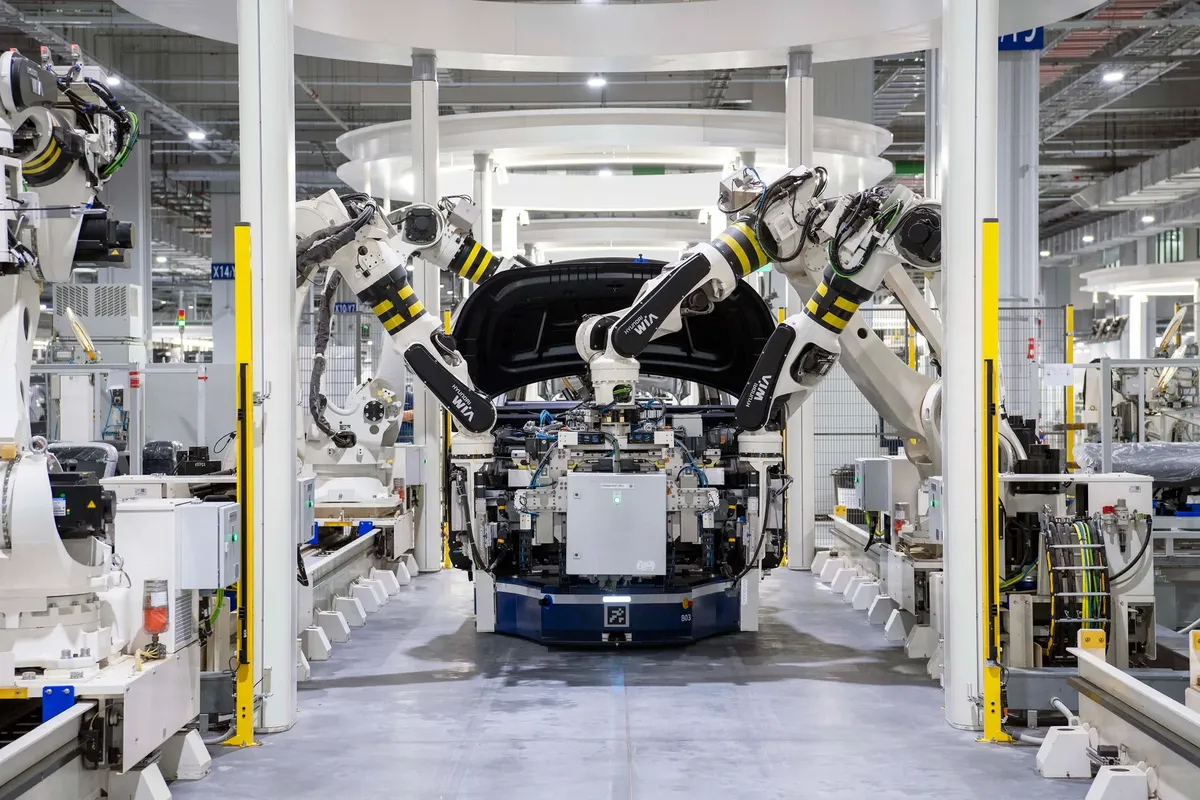
A factory worker observes a robotic arm performing a task with high precision but limited flexibility. While technology advances rapidly, certain physical and regulatory constraints remain.
A limitation of early automation is that the 3-axis arm, which could handle parts up to 226 kg, was limited to specific, repetitive tasks without the ability to adapt to varied shapes.
Hyundai Motor robot innovation
The subject here is Hyundai Motor robot innovation.
The same subject is also called Hyundai AI manufacturing.
This part also covers Hyundai's path to industry shift.
This part also covers How robots drive auto change.
Related
FAQ
What were the capabilities of the first robotic arm?
When did South Africa establish its commission on the Fourth Industrial Revolution?
Related posts


Popular posts
AI guide to diagnostics: how robots find suspicious shadows
AI in manufacturing innovation guide for production capacity
AI in Medical Robotics: How to achieve ultra-precise surgery
Comments 0