Robots AI precise diagnosis: Best tips for modern surgery
"The integration of robotics into the operating room has fundamentally shifted the boundaries of surgical precision and technical capability."
Modern medical robotics and AI-driven technologies allow for highly precise maneuvers that often exceed the steady hand of a human surgeon. This evolution moves from simple camera holders to complex systems capable of specialized head and neck surgeries or neurosurgical applications.
This guide explores the history of these advancements, the technical advantages of robotic articulation, and the regulatory milestones that shaped current surgical standards.
How did early breakthroughs shape Robots AI precise diagnosis?
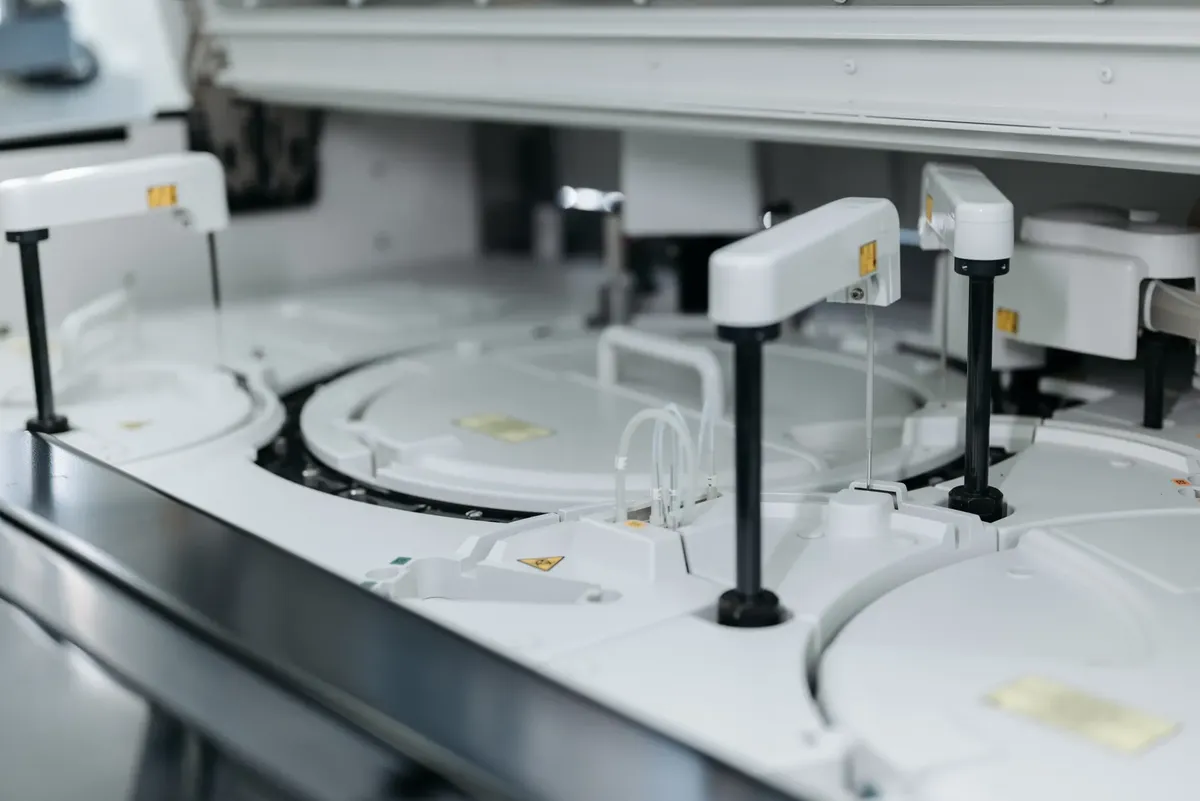
In a dim laboratory, a researcher touches a cold metal surface while watching how early robots began to stabilize the visual field.
A surgeon reaches for a mechanical arm, feeling the subtle resistance of the interface while the camera remains perfectly still. In 1994, the introduction of AESOP marked a significant turning point in the field of robotic surgery.
It served as the first laparoscopic camera holder to receive FDA approval for commercial use, setting a precedent for automated assistance.
This early milestone provided the foundation for more complex movements. By stabilizing the visual field, such devices allowed surgeons to focus on the nuances of the procedure rather than manual camera management.
This shift toward automation paved the way for the more sophisticated systems used in modern operating rooms.
- Development of basic sensor technology.
- Integration of early machine learning algorithms.
- Refinement of automated data processing.
What milestones led to the rise of AI medical robot diagnosis?
A technician monitors a screen where a robotic limb moves with microscopic accuracy during a simulated procedure. The transition from basic assistance to operative capability was marked by the da Vinci system, which obtained FDA approval for general laparoscopic procedures in 2000.
This made it the first operative surgical robot in the United States.

The progression of these tools has been steady. For instance, in 2005, a surgical technique known as transoral robotic surgery (TORS) was documented in canine and cadaveric models.
At that time, the da Vinci system was the only FDA-approved robot capable of performing such specific head and neck surgeries.
In this sequence, the second milestone is the most significant.
How does Precision diagnosis with with robots work in practice?
A surgeon adjusts the controls, noticing how the robotic instruments mimic the natural range of motion with enhanced stability. Robotic instruments often feature six degrees of articulation, which significantly improves freedom of movement and ergonomics compared to traditional laparoscopy.
This flexibility allows for more intuitive maneuvers in tight surgical corridors.
The technical advantages are centered on control and visibility. While traditional tools are limited by the human wrist's range, articulated robotic tools can reach angles that might be impossible for a human hand.
This capability is essential for minimally invasive procedures where space is at a premium.
What defines Advanced medical robot tech in modern surgery?
A specialist observes a neurosurgical robot designed for high-stakes brain surgery during a clinical demonstration. In June 2008, the German Aerospace Centre (DLR) presented the MiroSurge neurosurgical robotic system, designed specifically for minimally invasive surgery.
This illustrates the specialized direction modern robotics has taken toward specific medical disciplines.
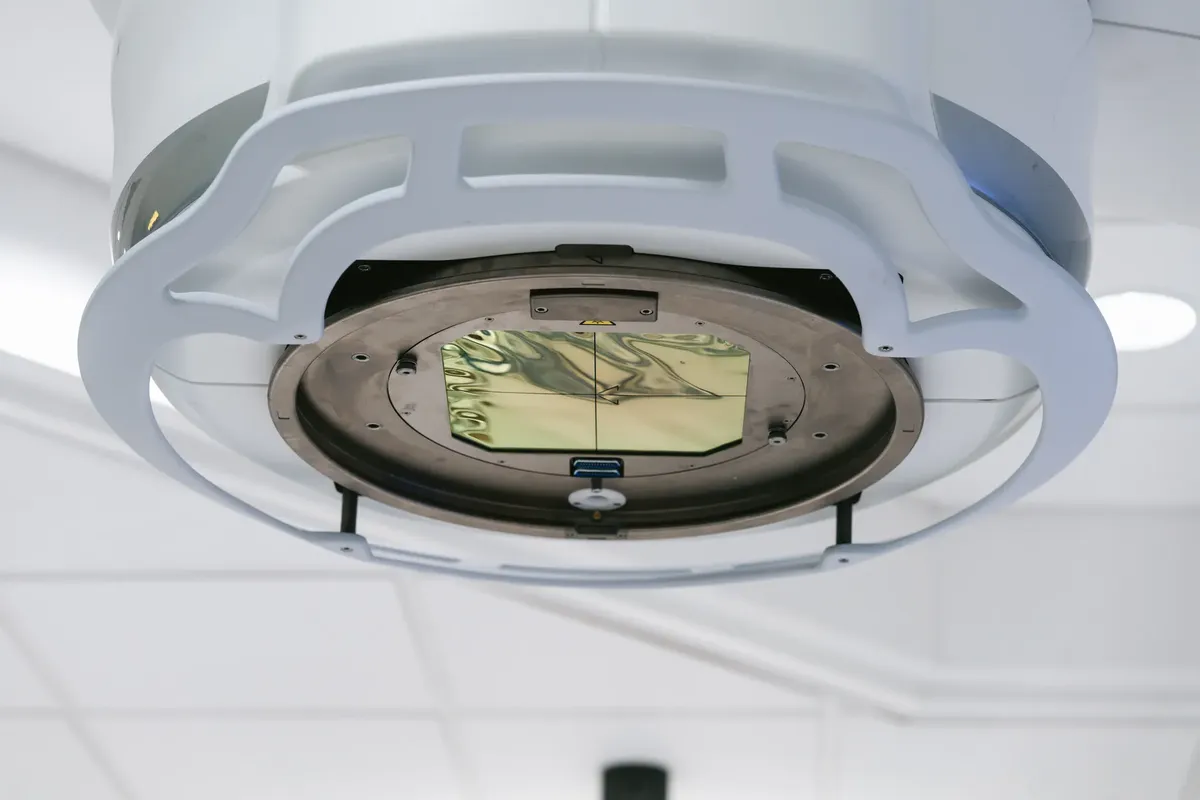
The diversity of applications is growing. While some robots focus on general laparoscopy, others are engineered for the extreme precision required in neurosurgery or microsurgery.
This specialization ensures that the technology is tailored to the unique anatomical requirements of different surgical sites.
How is AI driven medical testing integrated into surgical workflows?
A medical team reviews data from a robotic system to ensure all mechanical components are functioning within expected parameters. The history of these devices includes various levels of complexity and regulatory oversight.
| Feature | Description |
|---|---|
| Articulation | 6 degrees of movement |
| Purpose | Improved ergonomics and freedom |
The integration of these tools requires strict adherence to safety protocols. Because these machines handle delicate tasks, understanding the history of mechanical reliability and regulatory feedback is vital for clinical adoption.
What are the steps to understand robotic surgical evolution?
A student of medicine traces the lineage of surgical tools from manual instruments to robotic consoles. To understand how we reached this level of precision, one must look at the progression of regulatory approvals and technical capabilities.
According to the FDA, in 2000, the da Vinci obtained FDA approval for general laparoscopic procedures and became the first operative surgical robot in the US.
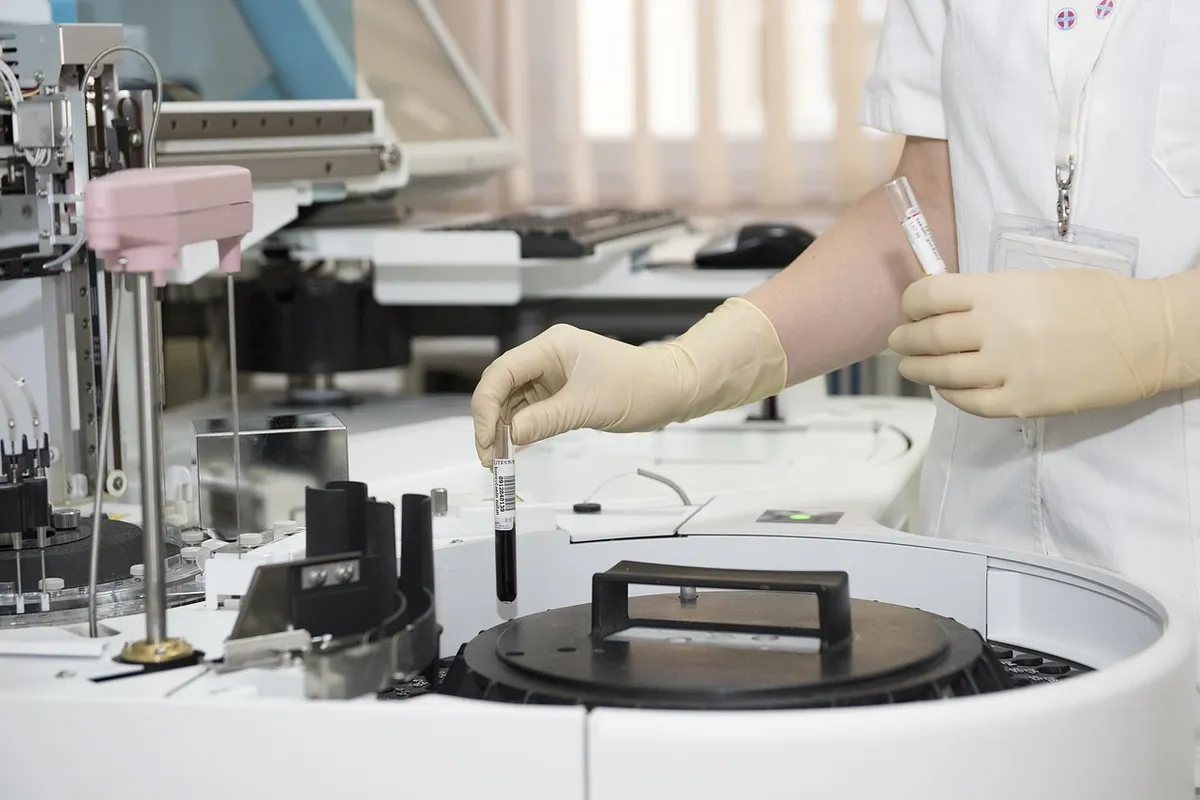
According to the German Aerospace Centre, the MiroSurge neurosurgical robotic system, a robotic system for minimally invasive surgery, was presented in June 2008.
- Identify the transition from camera assistance to active operative movement. 2. Examine the development of specialized techniques like TORS for specific anatomical regions. 3. Analyze the shift from general laparoscopic tools to highly articulated surgical arms.
I remember reviewing the technical specifications of early robotic systems to see how much they had changed. This comparison shows how much the industry has prioritized ergonomics and precision.
A limitation of these advancements is that they are subject to the specific regulatory classifications and mechanical reliability of the hardware used.
Related
- ML boosting medical robot accuracy: How to improve diagnosis
- Robot battle teamwork wins: 8 degrees of freedom guide
How does the integration of robotics affect surgical training?
The adoption of robotics necessitates a change in how surgeons acquire skills. Surgeons must learn to operate the console, which involves mastering the controls that translate their movements to the robotic arms.
This learning curve differs significantly from traditional open surgery, demanding proficiency in a new interface.
Understanding the technical advantages of robotic articulation helps trainees grasp the potential of the technology. Trainees observe how the six degrees of articulation allow for maneuvers that surpass the limitations of the human wrist during practice sessions.
This exposure to advanced capabilities is part of the modern surgical education.
The comparison between manual dexterity and robotic control highlights the need for new skill sets. Surgeons must develop a different kind of spatial awareness when controlling instruments remotely, a skill fostered through simulation and supervised procedures.
What are the conditions for successful robotic integration?
Successful integration of robotics depends heavily on the reliability of the hardware. The mechanical reliability of the robotic system must meet stringent standards before it can be used in patient care.
Furthermore, the specific regulatory classifications of the device dictate its approved use in the operating room.
Adherence to safety protocols is a condition for every procedure involving these advanced systems. Because the machines perform delicate tasks, understanding the history of mechanical reliability is vital for clinical adoption.
The initial milestones set precedents that guide current operational standards.
The technical capabilities must align with the surgical need. For instance, a neurosurgical robot must possess the extreme precision required for brain surgery, which differs from the general laparoscopy capabilities of other models.
FAQ
What was the first surgical robot to receive FDA approval?
Which robot was the first to perform head and neck surgery?
Related posts


Popular posts

AI guide to diagnostics: how robots find suspicious shadows
AI in manufacturing innovation guide for production capacity
AI in Medical Robotics: How to achieve ultra-precise surgery
Comments 0