China humanoid robot strategy: Guide to market growth
"The rapid evolution of robotic dexterity and intelligence is reshaping the global industrial landscape, positioning humanoid machines at the center of a new technological era."
China humanoid robot strategy is being shaped by massive shifts in digital connectivity and high-tech manufacturing capabilities. This strategic movement aims to capture a significant portion of a market projected to grow exponentially through 2035.
Key takeaways include a reliance on high-tech export foundations, the integration of advanced AI models, and a focus on versatile service-sector applications.
How is the China humanoid robot strategy evolving?
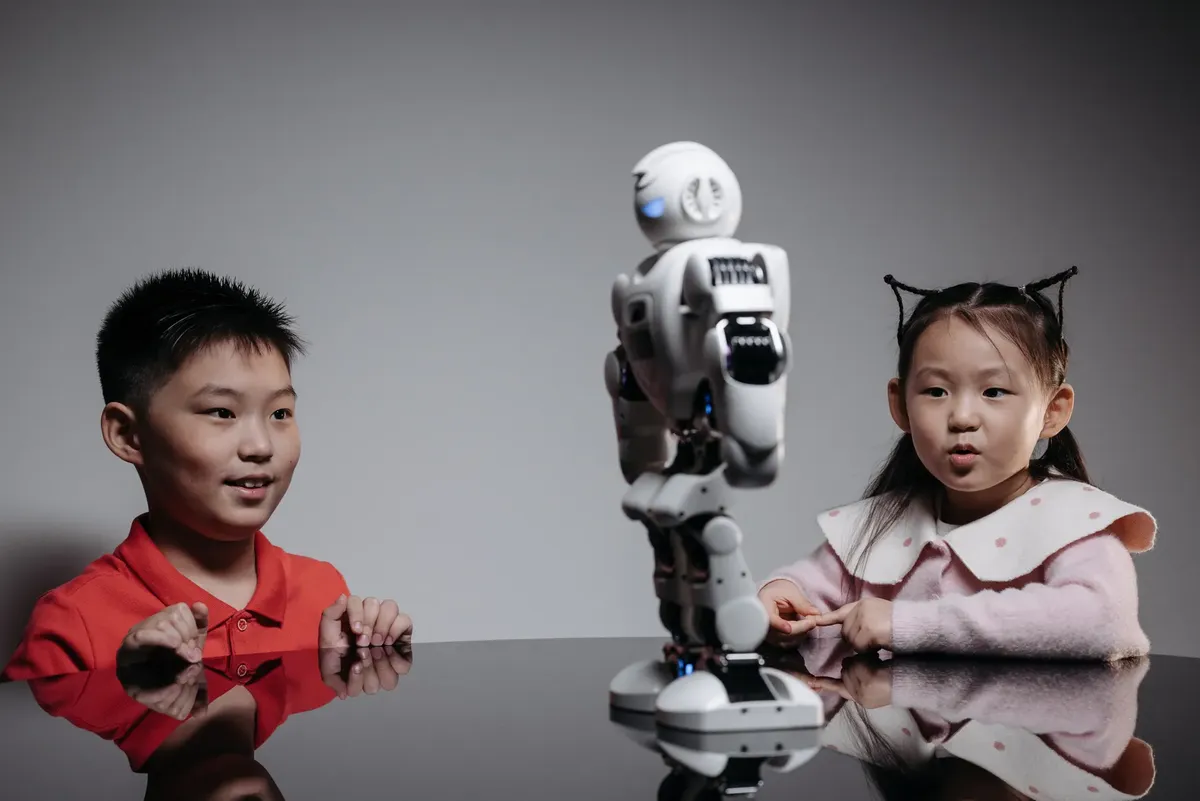
A technician adjusts a robotic limb in a bright laboratory, checking the tension of synthetic tendons. The China humanoid robot strategy relies heavily on the existing infrastructure of digital connectivity and advanced manufacturing to fuel robotic development.
This high level of connectivity provides the essential data environment required for training complex AI models.
Such a vast user base ensures a continuous stream of interaction data necessary for refining machine learning algorithms.
The robot tech global race is fueled by these digital foundations. By leveraging a highly connected population, developers can refine user interfaces and remote command structures. This digital connectivity serves as the nervous system for future robotic fleets.
The high-technology share of manufactured exports reached 26.3% in 2024, according to World Bank data. This manufacturing strength provides the physical hardware necessary to compete in the global market.
Without this industrial base, the transition from digital models to physical robots would be impossible.
- Aligning national industrial policies with hardware development.
- Strengthening local supply chains for specialized components.
- Integrating AI software with physical robotic platforms.
What is the projected size of the humanoid market?
An investor leans forward in a glass-walled office at midnight, eyes stinging from the glow of the screen as they contemplate the massive china market.
An investor stares at a glowing market monitor in a glass-walled office, watching fluctuating growth curves. The global market for these machines is expected to expand significantly over the next decade.
Goldman Sachs forecasts the humanoid robot market will reach $38 billion by 2035, up from $6 billion in 2024. This massive jump in valuation suggests that the transition from experimental prototypes to commercial products is accelerating.

The China AI robot power is being built to capture a large slice of this multi-billion dollar opportunity. As the market expands, the ability to scale production will become a decisive factor in global dominance.
The humanoid market strategy involves targeting specific service sectors to ensure early adoption. By focusing on sectors like banking or logistics, companies can prove the utility of robots in controlled environments.
In this sequence, the second step is the longest.
According to World Bank, the 2025 record includes 91.6%.
How do advanced models influence robot capabilities?
At midnight, the developer feels a sudden chill in the dark office while watching the china software upload to the machine.
A researcher watches a screen as a robotic arm mimics a human hand's subtle movements. The integration of Large Behavior Models (LBM) and advanced dexterity is changing how robots interact with the physical world.
The robot tech global race involves moving beyond simple programmed movements toward intuitive behavior. For example, the Atlas humanoid robot was shown to be powered by a Large Behavior Model in 2025, a step toward general-purpose utility.
Developing these behaviors requires immense processing power and sophisticated sensor feedback. This technical hurdle is where the most significant competition currently resides.
The humanoid market strategy must account for the transition from specialized tools to general-purpose assistants. Achieving human-like dexterity is a primary goal for developers seeking to enter the consumer market.
What role does the service sector play in adoption?
A customer in a sleek, modern bank lobby watches a robotic unit assist with a routine inquiry. The application of humanoid technology is increasingly moving toward customer-facing roles in the service sector.
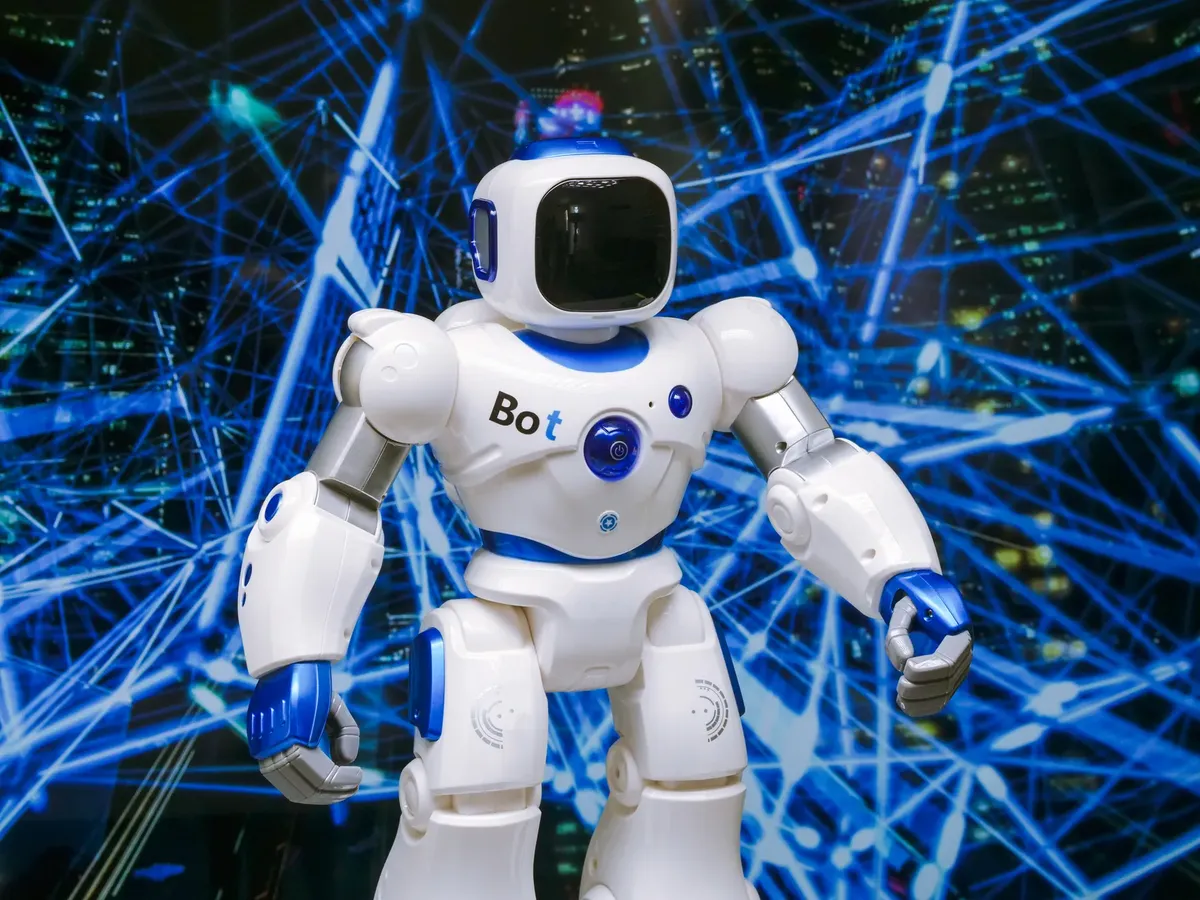
In regions like Shanghai, the service sector provides a prime testing ground for robotic integration. Tasks in banking or hospitality require high levels of social intelligence and precise movement.
The China AI robot power is closely tied to how effectively these machines can navigate human-centric environments. Success in the service sector would validate the social acceptance of humanoid robots.
The robot tech global race is not just about strength, but about the ability to work alongside humans. Navigating a crowded lobby or a busy retail space requires a different kind of intelligence than industrial automation.
How does manufacturing innovation drive progress?
A factory worker observes a robotic assembly line where machines work with silent, rhythmic precision. The ability to mass-produce complex mechanical parts is a cornerstone of robotic dominance.
The manufacturing innovation China is experiencing provides a unique advantage in the robotics field. High-tech export capabilities ensure that the components required for advanced robotics are readily available and cost-effective.
The China AI robot power depends on the seamless integration of hardware and software. If the hardware can be produced at scale, the software can be deployed globally.
The humanoid market strategy is inherently tied to the supply chain. Controlling the production of specialized sensors and actuators is as important as the AI itself.
How can businesses prepare for robotic integration?
A manager sits at a desk, reviewing a transition plan for a fully automated warehouse. Preparing for a robotic workforce requires a structured approach to hardware, software, and human training.
- Assess the specific tasks within the organization that require high levels of dexterity or social interaction. 2. Evaluate the compatibility of existing digital infrastructure with modern AI-driven robotic platforms. 3. Develop a pilot program in a controlled environment, such as a single service branch, to test reliability.

Final check: Ensure that all hardware specifications meet the operational requirements of the specific environment.
The task of integrating robots into a workforce is complex. It is not a simple plug-and-play process but a fundamental shift in operational logic.
[web] Humanoid Robots News | AI Breakthroughs, Robotics Trends & Synthetic Updates Based on the retained excerpt mentioning NASA: Generation: 8th Focus: Dexterity Latest Release Advanced Touch Explore Phoenix → Apptronik Apollo 2024 NASA Heritage Robot Partners Mercedes General-purpose humanoid developed by former NASA Valkyrie team stands 173cm tall.
The same subject is also called Robotics tech dominance.
This part also covers AI integration in Chinese robots.
This part also covers Global tech power struggle.
Related
FAQ
What was the high-technology export share in 2024?
Related posts

Popular posts
AI guide to diagnostics: how robots find suspicious shadows

AI in manufacturing innovation guide for production capacity
AI in Medical Robotics: How to achieve ultra-precise surgery
Comments 0