Korean robot industry growth: Why certification is necessary
"The future of industry is not just about smarter machines, but about how these machines integrate into our existing workspaces."
The Korean robot industry growth is accelerating through the introduction of versatile humanoid models and standardized certification frameworks. This development focuses on deploying robots across diverse sectors through specialized service models and improved mechanical precision.

Key takeaways include the rise of general-purpose humanoids, the implementation of capability certification through the Robotics Service Framework, and the expansion of industrial automation.
How does the R-noid humanoid robot expand industry reach?
A technician adjusts the joints of a sleek, metallic humanoid standing in a bright factory setting. The R-noid robot represents a move toward versatile automation, designed to function across various environments through a specialized deployment model.
As reported by Humanoid Robot for Industrial and Service, Robot.com has announced the R-noid, a general-purpose humanoid robot deployed via RaaS across five solution categories and six industry verticals.
According to RobotToday, Robot.com announced the R-noid, a general-purpose humanoid robot intended for deployment via RaaS (Robot as a Service) across five solution categories and six industry verticals. This approach aims to make advanced robotics more accessible to different sectors.
The robot's design focuses on being a versatile tool for both industrial and service-oriented tasks.
Why is a certification framework necessary for robotics? Korean robot industry growth
An engineer reviews a digital checklist on a tablet while a robot performs a repetitive task nearby. Establishing clear standards is essential as robots move from controlled laboratory settings into unpredictable human environments.
According to the Standards and Regulations Robotics Service, the robotics industry's first capability certification framework, the RSF, has officially launched.
The Robotics Service Framework (RSF) was launched to address the need for industry-wide standards. According to RobotToday, the Robotics Service Framework (RSF) is the robotics industry's first capability certification framework.
This framework aims to provide a structured way to verify what a robot can actually do.
However, gaps remain in certifying specific operational capabilities. The introduction of RSF seeks to fill these technical and functional voids.
What are the technical specifications of modern industrial robots?
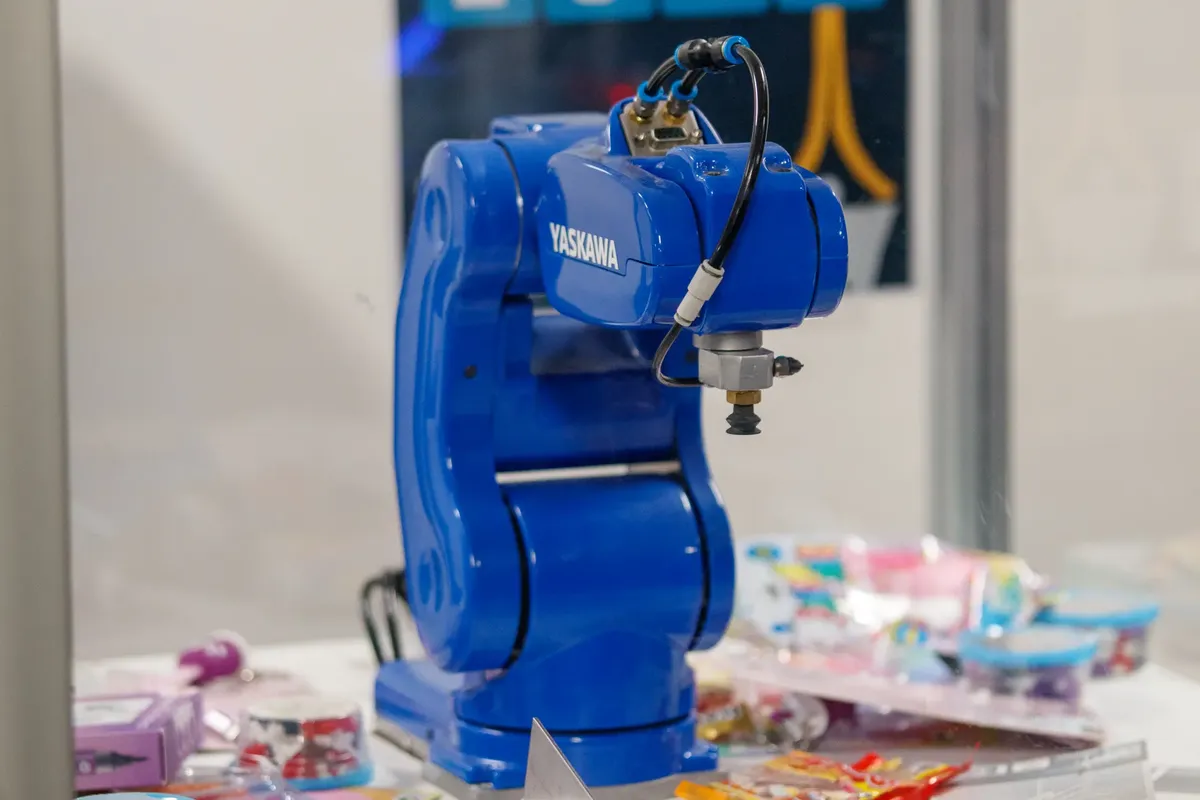
A worker observes a heavy-duty robot arm moving with precision during a quality control check. Comparing different models reveals how height, weight, and payload capacity are optimized for specific industrial needs.
| Feature | Industrial Automation Model | Manufacturing Support Model |
|---|---|---|
| Height | 1.75 m | 1.7 m |
| Weight | 65 kg | Around 60 kg |
The table above compares two different models used in manufacturing and automation. The first model is taller and slightly heavier, designed for tasks like quality control with a 20 kg load capacity.
The second model features 28+ joints for refined motion control and is intended for manufacturing support.
I observed how the heavier model handled larger components while the lighter, more agile model navigated tighter spaces.
How can companies integrate these robots into existing workflows?
A manager walks through a logistics center where robots move autonomously between shelving units. Successful integration requires a step-by-step approach to ensure the technology complements human labor rather than disrupting it.
- Identify specific tasks such as industrial inspection or logistics automation that suit robotic capabilities. 2. Select a model with appropriate specifications, such as reach, payload, or battery life, to match the task. 3. Implement the robot through a service-based model like RaaS to manage deployment and maintenance.
A final check of the workspace ensures that the robot's movement paths and safety zones are clearly defined.
What limitations exist in current robotic deployment?
A technician pauses to troubleshoot a sensor on a robot that has stopped mid-motion. While technology advances quickly, certain environmental and operational constraints remain.
A limitation of these systems is that specific models are designed for narrow use cases; for example, a model with a 2-3 hour battery life is optimized for short-term logistics tasks rather than continuous long-shift operations.
These constraints require careful planning to ensure productivity is not lost during charging cycles.
- How does the R-noid humanoid robot expand industry reach?
- Why is a certification framework necessary for robotics?
- What are the technical specifications of modern industrial robots?
The subject here is Korean robot industry growth.
The same subject is also called Robotics tech innovation Korea.
The same subject is also called Boosting robot competitiveness.
The same subject is also called Smart factory robot trends.
The same subject is also called Advanced robot development.
This part also covers AI integration in manufacturing.
This part also covers Industrial robot advancements.
This part also covers Future of domestic robotics.
AI integration in manufacturing
Related
- AI in manufacturing innovation guide for production capacity
- Robot standards in manufacturing tips for market growth 38
What conditions govern the adoption of advanced robot development in industry? Adoption of advanced robot development is contingent upon the successful integration into existing workspaces. The deployment model must align with the specific needs of the industry sector being served. A careful assessment of the task's requirements dictates the selection of the appropriate robotic model.
The introduction of standardized certification frameworks provides a condition for trust among users. This framework allows stakeholders to verify the actual functions of the robot before widespread deployment in the industry. This verification process is crucial for smooth transition.
When considering the future of industry, the service model aspect becomes a key condition. Utilizing RaaS, for instance, manages the deployment and ongoing maintenance, lessening the initial burden on the adopting company.
FAQ
What is the purpose of the RSF?
How is the R-noid robot deployed?
Related posts

AI in manufacturing innovation guide for production capacity
Robot standards in manufacturing tips for market growth 38
Robots in confined spaces: Guide to safety standards
Robots in confined spaces: Guide to 30% market share use
Popular posts

AI guide to diagnostics: how robots find suspicious shadows
AI in manufacturing innovation guide for production capacity

AI in Medical Robotics: How to achieve ultra-precise surgery
Comments 0