Robots in confined spaces: Guide to safety standards
"The shift toward automation in restricted environments requires a foundation of rigorous safety protocols to bridge the gap between human workers and mechanical precision."
Robots in confined spaces are increasingly becoming a staple in modern manufacturing, driven by the need for precision in tight operational zones.
This guide explores how evolving safety standards govern these machines, the historical context of industry adoption, and the specific requirements for collaborative automation.
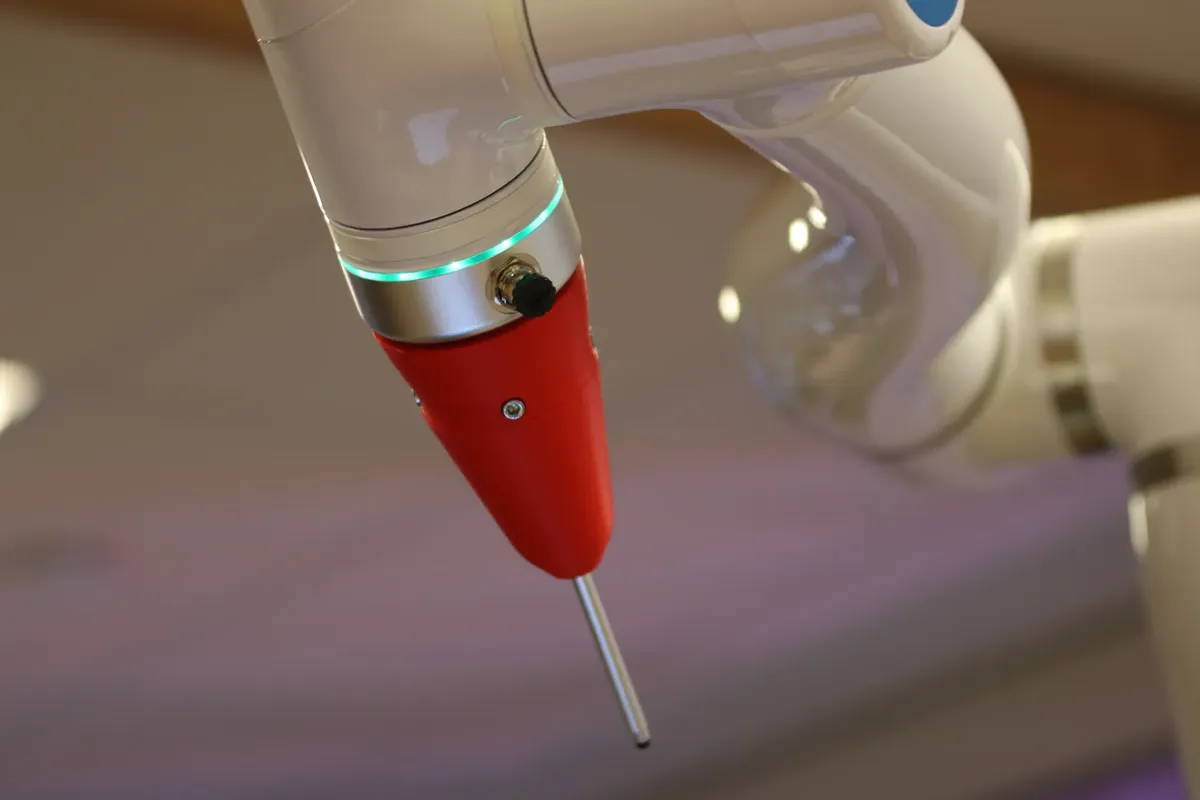
Key takeaways include an understanding of legacy safety frameworks, the role of ISO specifications in collaborative robotics, and how industry-specific data shaped early automation trends.
How did industry demand shape robots in confined spaces?
A technician adjusts a heavy mechanical arm in a dimly lit factory setting. In 2016, the automotive industry was the main customer of industrial robots with 52% of total sales, according to the Robotic Industries Association US data.
This high level of adoption necessitated specialized solutions for tight assembly lines.
The heavy demand from automotive manufacturers pushed engineers to develop more compact and versatile machines. These early solutions paved the way for modern robots in confined spaces. As machines became more specialized, they moved from large-scale assembly to more intricate, restricted tasks.
What are the origins of safety standards for robots in confined spaces?
A safety inspector reviews a thick binder of technical specifications at a workstation.
The foundation of modern automation lies in early drafting efforts, such as when RIA BSR/T15.1, a draft safety standard for Intelligent Assist Devices, was published by the Robotic Industries Association in March 2002.
These early drafts established the groundwork for how machines interact with their surroundings. Building on these initial efforts, ANSI/RIA R15.06 was updated in 2011. This update served as a national adoption of the combined ISO 10218-1 and ISO 10218-2 safety standards.
The evolution of these rules ensures that small space robot limited-access automation remains predictable. By following these established frameworks, companies can integrate automation into restricted areas without compromising worker safety.
##
An engineer compares two different technical manuals on a digital tablet. The ISO standards used today are based on ANSI/RIA R15.06-1999. These protocols govern how machines move and interact within a shared workspace.
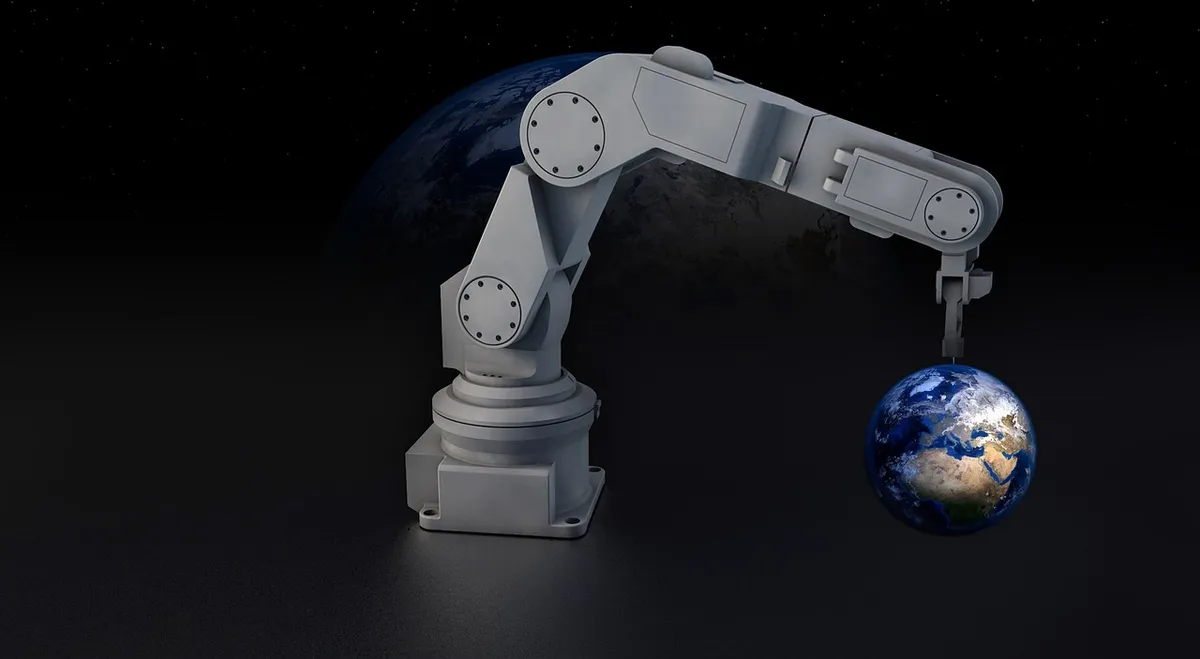
The transition from older protocols to modern ISO standards allowed for more complex integrated applications. Small space robot tech has benefited from this standardization, allowing for smoother integration into existing production lines.
These rules provide a common language for global manufacturers.
| Standard Version | Primary Function |
|---|---|
| ANSI/RIA R15.06-1999 | Foundational basis for ISO standards |
| ISO 10218-2:2011 | Contains safety requirements for applications |
I noticed how these specific technical requirements directly influenced the way we approach machine placement in our facility.
What are the requirements for advanced process robotics?
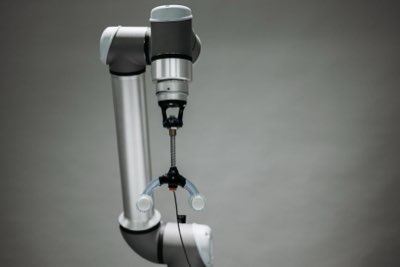
A worker stands near a robotic arm, observing its programmed path through a narrow corridor. A companion document was developed by ISO TC299 WG3 and published as an ISO Technical Specification, ISO/TS 15066:2016.
This document covers collaborative robotics, including their requirements and integrated applications.
This specific technical specification addresses the complexities of human-machine interaction. It ensures that when robots are used in close proximity to people, the risks are mitigated through standardized requirements.
This is vital for manufacturing robot trends where human-robot collaboration is common.
The document provides a framework for both collaborative and non-collaborative applications. By following ISO/TS 15066, engineers can design systems that safely navigate restricted environments.
How do we ensure safety in collaborative robotics?
A supervisor checks the emergency stop button on a control panel. ISO 10218-2:2011 and ISO/TS 15066 contain the safety requirements for both collaborative and non-collaborative robot applications. These rules are essential for managing AI in confined robotics.
To implement these standards effectively, follow these steps:
- Identify the specific application type, whether collaborative or non-collaborative. 2. Apply the relevant safety requirements found in ISO 10218-2:2011 or ISO/TS 15066. 3. Conduct a final check to ensure integrated applications meet all technical specifications.
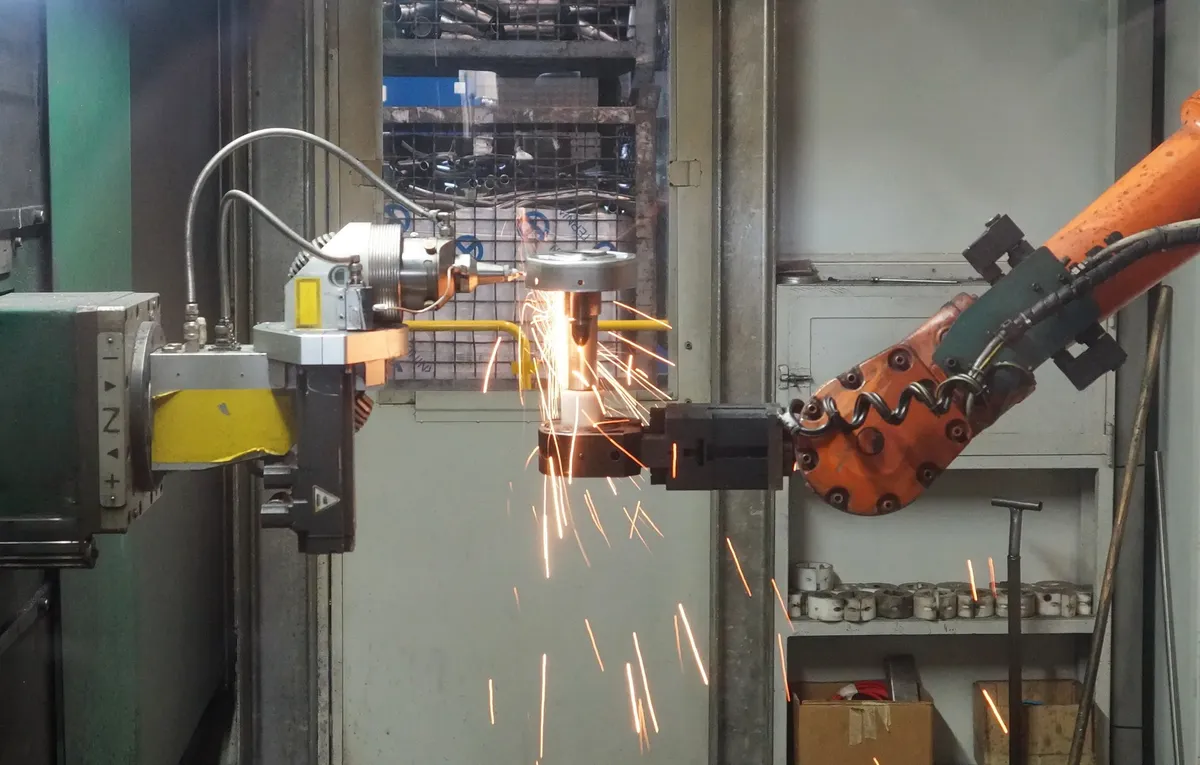
A limitation exists when applying these standards to legacy equipment that was not designed for modern ISO-compliant collaborative tasks.
- How did industry demand shape robots in confined spaces?
- What are the origins of safety standards for robots in confined spaces?
- An engineer compares two different technical manuals on a digital tablet. The ISO standards used today are based on ANSI/RIA R15.06-1999. These protocols govern how machines move and interact within a shared workspace.
The same subject is also called Industrial robot limits.
The same subject is also called Tight area automation.
This part also covers New safety robot standards.
Related
- Robots in confined spaces: Guide to 30% market share use
- Orthopedic surgeon workload: average 57 hours per week
What are the implications of the shift toward automation in restricted zones?
The shift toward automation in restricted zones requires comparing the requirements of ISO 10218-2:2011 against the collaborative specifications in ISO/TS 15066. While the former provides a basis for applications, the latter specifically addresses the complexities of human-machine interaction.
This comparison ensures that engineers select the correct framework based on whether the application is collaborative or non-collaborative.
When evaluating the transition from legacy frameworks to modern standards, a caution must be observed regarding equipment compatibility. Older standards like the 2002 RIA BSR/T15.1 draft established early groundwork, but they may not meet the specific requirements for modern collaborative tasks.
This creates a condition where legacy machines might require updates to meet current ISO-compliant safety levels.
- Determine if the application is collaborative or non-collaborative. 2. Compare the machine's capabilities against the requirements in ISO 10218-2:2011 or ISO/TS 15066. 3. Verify that the integrated application meets all technical specifications to mitigate risks in shared workspaces.
FAQ
What is the significance of ISO/TS 15066:2016?
Which standards cover both collaborative and non-collaborative applications?
Related posts
Robots in confined spaces: Guide to 30% market share use

Orthopedic surgeon workload: average 57 hours per week
Robots in manufacturing innovation: How to guide efficiency

Comments 0