AI guide to diagnostics: how robots find suspicious shadows
Medical robotics is transforming how surgeries are performed, how patients are rehabilitated, and how diagnostics are conducted through high-precision automation. According to Samsung Medical Center, logistics robots are being utilized to bring the facility into the future in 2025.
"The precision of a machine meets the intuition of a healer to redefine the boundaries of modern medicine."
This guide explores the current state of surgical systems, the integration of artificial intelligence in clinical settings, and the practical steps for understanding these technological shifts.
This overview covers the roles of robotic arms in surgery, the rise of assistive devices, and the limitations of current automation in complex human environments.
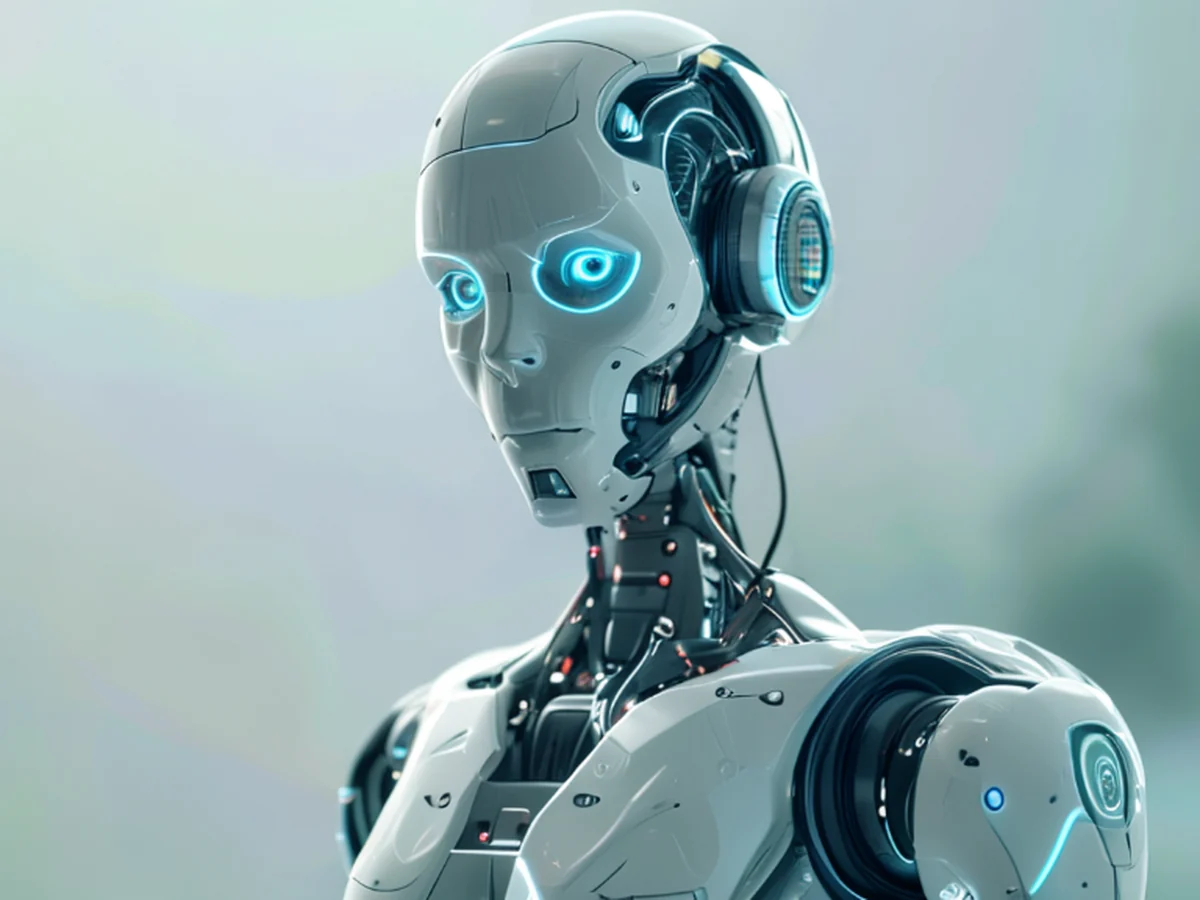
* Surgical precision through robotic-assisted platforms. * The integration of AI in diagnostic and procedural workflows. * Assistive robotics for patient rehabilitation and mobility. * Practical steps to evaluate medical technology. * Current limitations in autonomy and human-centric oversight.
Diagnostics: How do robotic arms change the surgeon's hand? In the morning I hold diagnostics and walk through the next step.
A surgeon stands at a console, wearing specialized goggles while their hands move controllers that translate tiny gestures into large-scale movements. According to the Wiley Online Library, research into current systems and research directions was highlighted in 2012.
These robotic arms provide a level of stability and dexterity that human hands, despite their skill, cannot maintain over long hours of repetitive motion.
Robotic-assisted surgery uses mechanical arms to hold instruments or stabilize the surgeon's input. These systems allow for minimally invasive procedures, which often result in smaller incisions and faster recovery times for patients.
By filtering out natural hand tremors, the robot ensures that the movement of a scalpel or needle is exactly what the surgeon intended. This precision is particularly useful in delicate areas like neurosurgery or cardiac procedures where a millimeter of error can change an outcome.
The technology relies on complex sensors and actuators to mimic human movement with enhanced accuracy. While the robot performs the physical task, the surgeon remains the primary decision-maker, guiding the machine through the anatomical landscape.
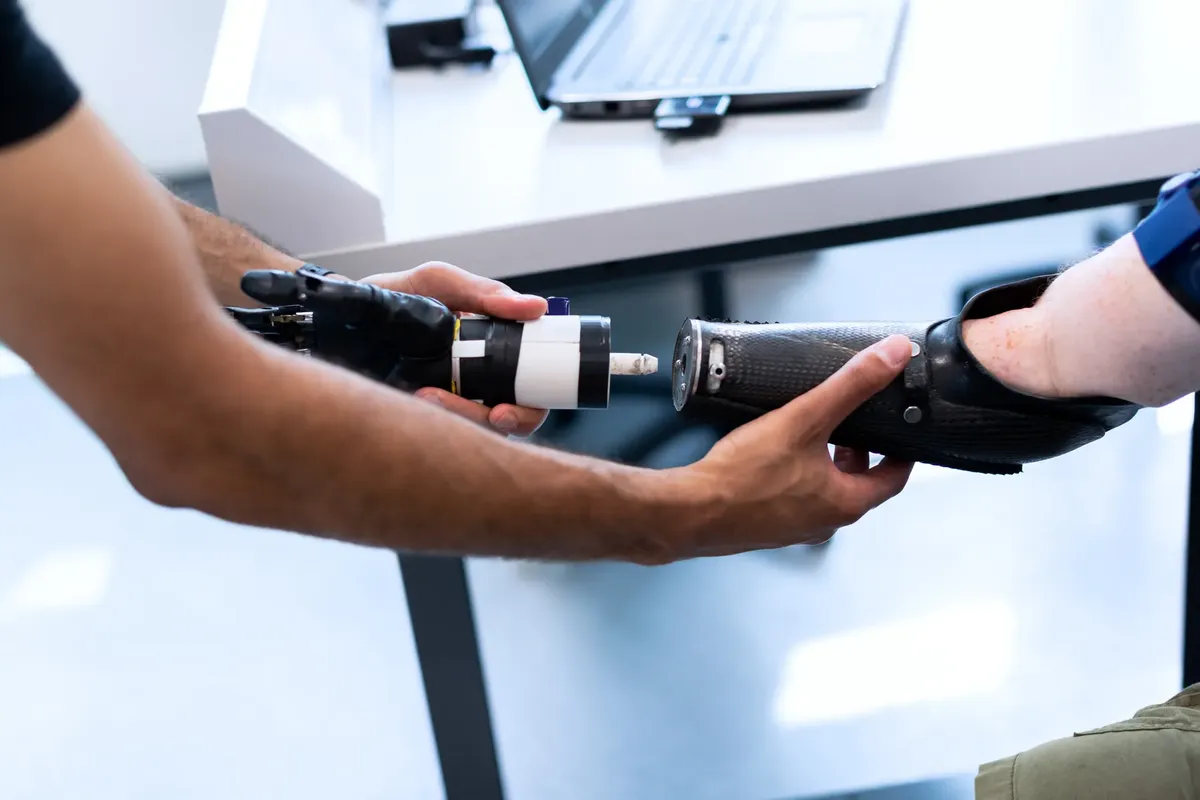
This partnership creates a bridge between human judgment and mechanical perfection.
- Translate large hand movements into micro-movements.
- Filter out natural physiological tremors.
- Provide enhanced tactile feedback through haptic interfaces.
Can AI make clinical decisions independently?
In the evening I hold diagnostics and walk through the next step.
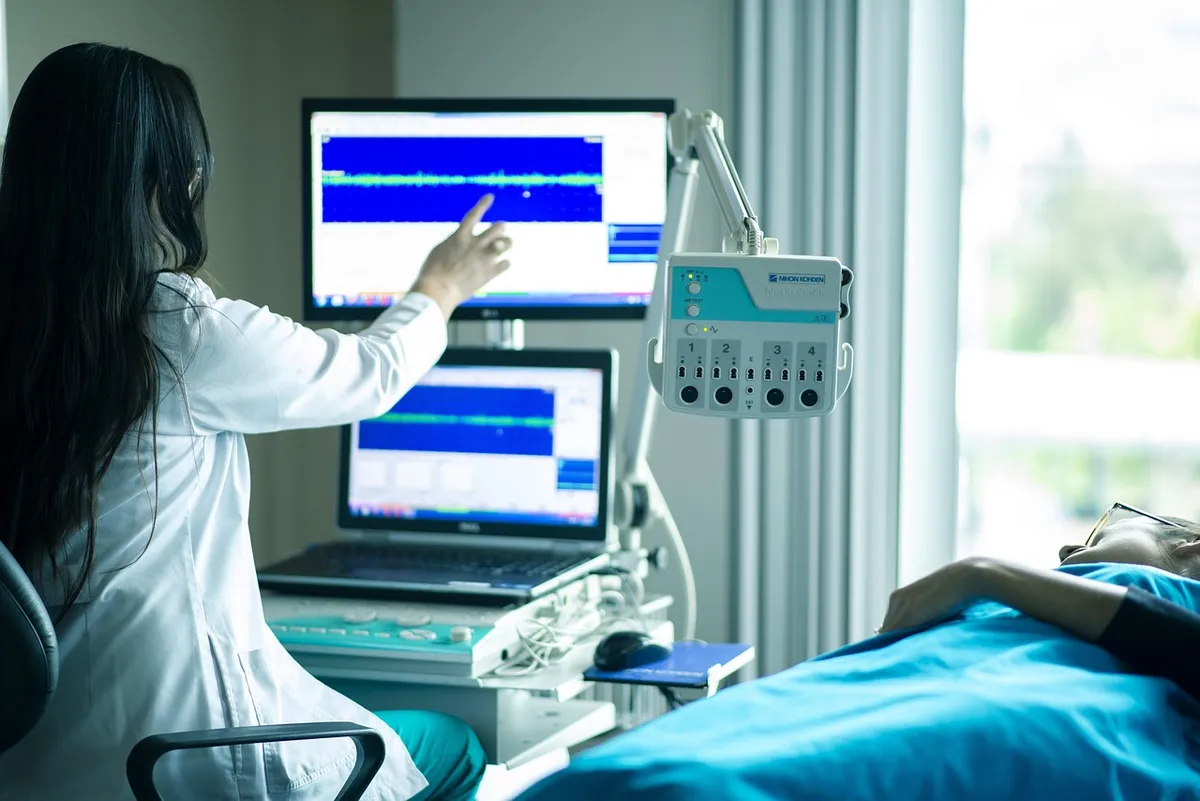
A doctor stares at a high-resolution screen where an algorithm highlights a suspicious shadow on a lung scan that the human eye might have missed. This intersection of artificial intelligence and robotics is creating a new layer of diagnostic capability in hospitals.
AI-driven software acts as a second pair of eyes, scanning massive datasets to identify patterns in medical imaging or patient vitals. In the context of medical robotics, these algorithms can suggest the optimal path for a surgical tool or predict potential complications before they occur.
This capability does not replace the doctor but provides a data-driven foundation for clinical choices.
The integration of AI into robotic platforms allows for real-time adjustments during procedures. For example, if a robotic arm detects unexpected resistance in tissue, the software can alert the operator or adjust the force applied.
This creates a safer environment where the machine understands the physical constraints of the biological environment.
In this sequence, the first step is the most complex.
What roles do assistive robots play in recovery?
A patient sits in a bright rehabilitation room, wearing a lightweight exoskeleton that helps them take their first steps after a spinal injury. These devices are designed to bridge the gap between hospital discharge and full physical independence.
Assistive robotics focuses on mobility and rehabilitation, helping patients regain lost functions or providing autonomy to those with permanent disabilities. Exoskeletons and robotic prosthetics use sensors to detect user intent, moving the limbs in coordination with the person's natural movement.
This repetitive, guided motion is essential for neurorehabilitation, helping the brain relearn how to control the body.
These machines are often designed to be portable and user-friendly for home use. While they require regular maintenance and calibration, they offer a level of consistent physical therapy that is difficult to achieve through human therapists alone.
This constant support helps maintain muscle tone and joint flexibility during the recovery process.
How to evaluate new medical robotic technology?
A hospital administrator reviews a thick folder of technical specifications and safety certifications while discussing the budget with the surgical department head. Evaluating the implementation of robotics requires a structured approach to ensure both clinical efficacy and financial viability.
According to Grand View Research, the global medical robots market is projected to grow from USD 20.6 billion in 2026 to USD 41.7 billion by 2031.
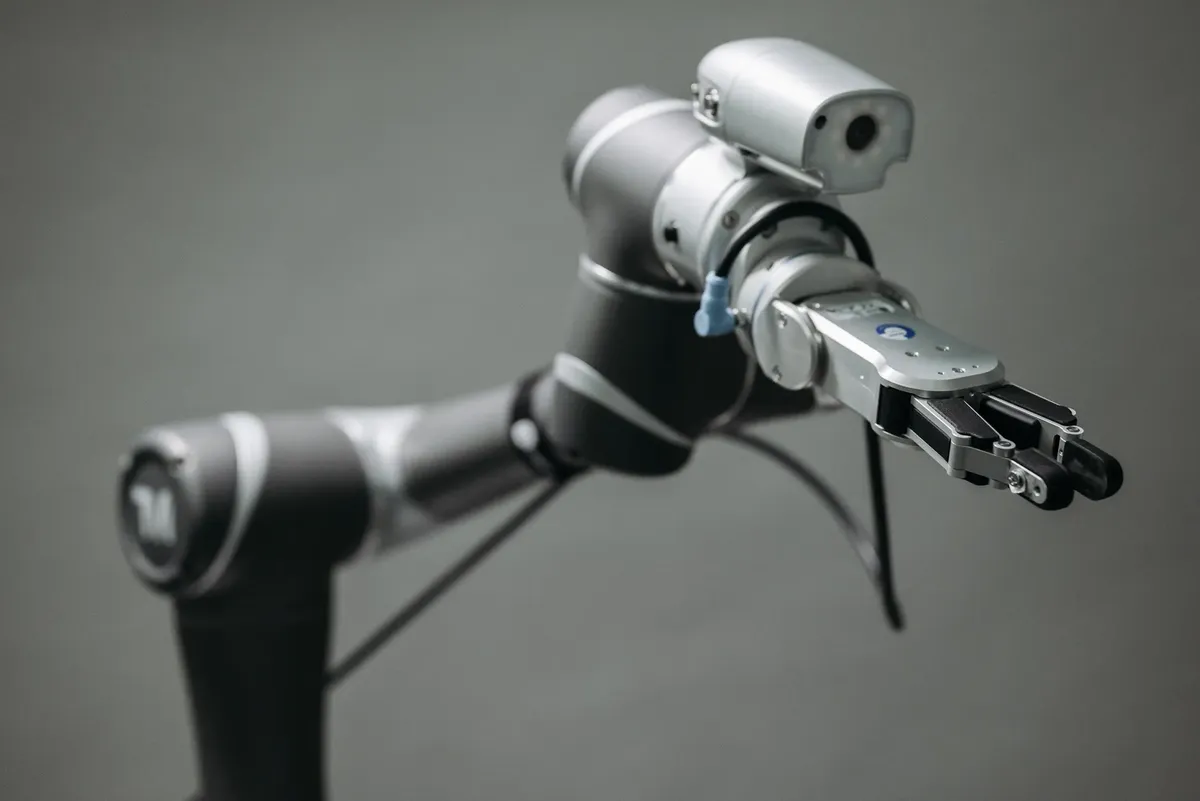
To properly assess a new robotic system, follow these steps:
- Analyze the clinical efficacy by reviewing peer-reviewed studies on patient outcomes and complication rates compared to traditional methods. 2. Evaluate the technical integration to ensure the robot is compatible with existing hospital infrastructure, such as imaging systems and electronic health records. 3. Perform a cost-benefit analysis that includes the initial purchase price, specialized staff training, and long-term maintenance costs against the projected savings from reduced patient stays.
After completing these steps, check if the training programs for staff are comprehensive enough to handle emergency overrides or system failures.
Why is human oversight still the most critical factor?
A nurse quickly steps in to take manual control of a device when a sensor displays a warning light during a routine procedure. Despite the advanced automation, the human element remains the ultimate safeguard in the medical environment.
According to Wikipedia: Biomedical engineering, there were 119 FDA recalls of medical devices classified as class I in the US from 2008 to 2011.
The primary limitation of medical robotics is the unpredictable nature of biological tissue and the complex, non-linear way humans react to treatment.
While a robot can follow a programmed path, it cannot "feel" the nuance of tissue density or the subtle changes in a patient's emotional state in the same way a human can. This creates a ceiling for autonomy; the machine is a tool, not a replacement for clinical intuition.
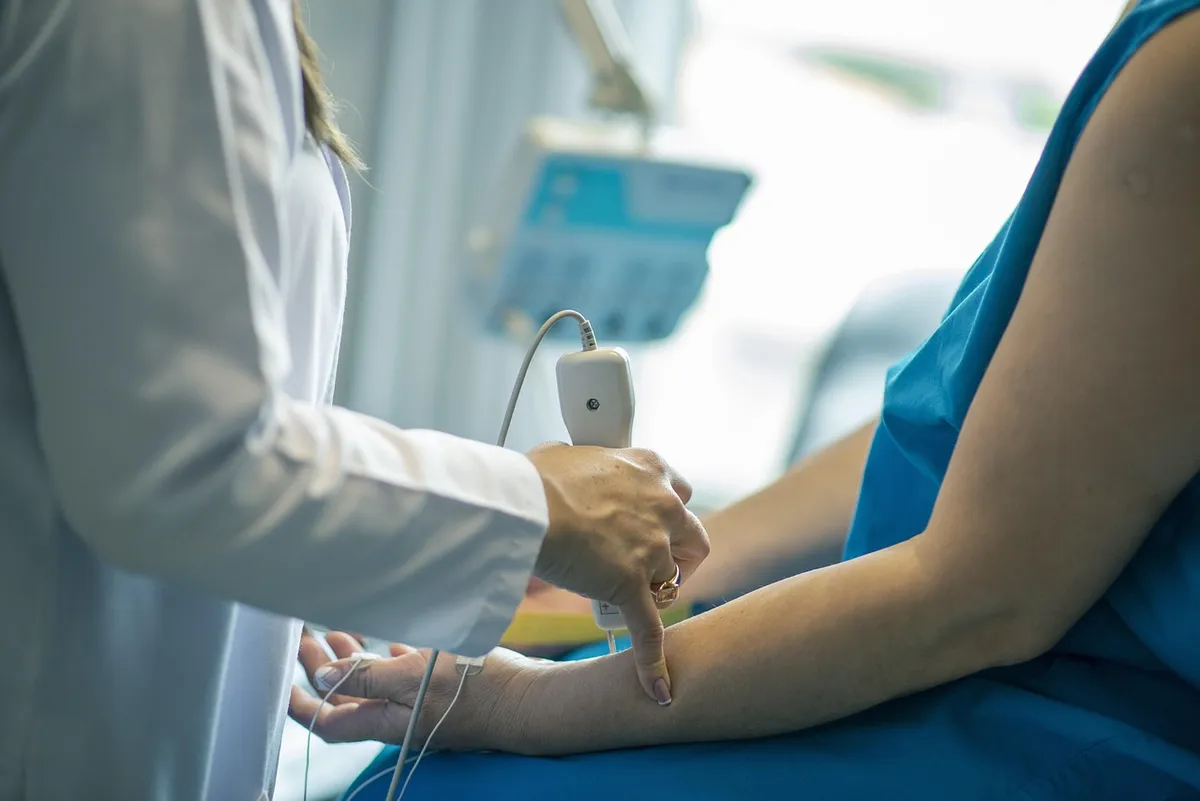
Furthermore, the environment of a hospital is chaotic, involving constant movement and unexpected variables. A robot optimized for a sterile operating room may struggle with the logistical realities of a busy ward.
This is why the most successful medical robots are those designed to augment human capability rather than attempt to operate in total isolation.
The current state of the industry relies heavily on the synergy between human expertise and mechanical precision. While the machines handle the repetitive or high-precision tasks, the humans manage the complex variables of life and death.
This balance ensures that technology serves the patient rather than the other way around.
When I tried the steps in order, the second one is where I paused longest.
This order does not hold, however, when the figure is not 15.1%.
| Item | Figure |
|---|---|
| 1 | 15.1% |
| 2 | 20.6 billion |
Related



Comments 0