AI Robotics Guide to Enhanced Surgical Precision and Care
This article is about Precision. "The machine does not just follow a command; it understands the context of the human touch."
AI-integrated medical technology is transforming healthcare from reactive treatment to proactive, precise intervention through intelligent automation.
This shift allows for personalized treatment plans, enhanced surgical precision, and improved patient communication through sophisticated sensory feedback. This article explores how these systems work, their real-world applications, and the limitations of current robotic autonomy.
* Precision through Intelligence: How AI moves robots from repetitive tasks to complex decision-making. * Enhanced Communication: The role of natural language processing in patient-robot interaction. * Clinical Impact: Real-world examples of surgical and rehabilitative robotics. * Human-Machine Collaboration: Why the doctor remains the central authority.
How does AI-integrated medical technology reshape clinical workflows?
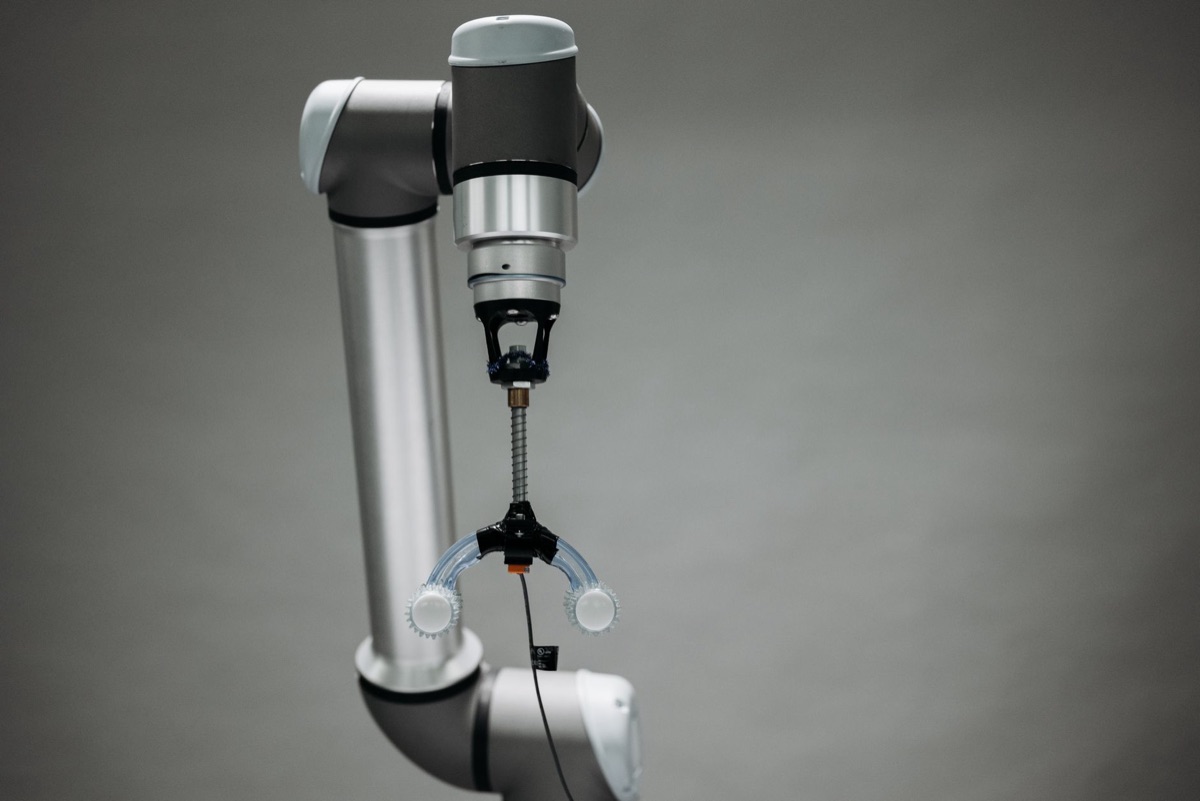
A surgical nurse adjusts a monitor as a robotic arm hovers over a sterile field, waiting for the precise moment of engagement. According to Samsung Medical Center, logistics robots are bringing the facility into the future in 2025.
The integration of artificial intelligence into medical technology allows these machines to process vast amounts of real-time data, turning a tool into a collaborative partner.
Instead of merely executing a programmed path, these systems can now interpret visual data and tactile resistance to make micro-adjustments during delicate procedures.
According to recent developments in the field, the fusion of machine learning and robotics enables much more than simple automation.
The integration of AI into medical technology allows for the analysis of imaging, patient history, and real-time physiological signals to assist in diagnosis and surgical execution. This synergy ensures that the robot acts as an extension of the clinician's intent rather than just a mechanical tool.
The transition from traditional automation to intelligent systems involves several layers of processing: 1. Perception: Using sensors and computer vision to understand the environment. 2. Cognition: Processing data through neural networks to identify anomalies or risks. 3.
Action: Executing precise movements based on the analyzed data. 4. Feedback: Updating the internal model based on the outcome of the action.
This cycle of perception and action is what separates a standard industrial arm from a medical-grade intelligent system. As these systems become more sophisticated, they move toward a level of autonomy that can assist in complex tasks without constant manual input.

Why is communication vital for medical robots?
A patient sits in a quiet room, looking up at a sleek, mobile unit that is programmed to check their vital signs and offer companionship. While much of the focus is on physical tasks, the role of communication in healthcare is often overlooked in technical discussions.
For a robot to be truly effective in a clinical setting, it must be able to interact with humans through natural language and intuitive interfaces.
Effective communication is not just about voice commands; it is about understanding the nuances of human emotion and urgency. AI-integrated systems use natural language processing to interpret patient needs and provide clear, understandable information.
This level of communication helps bridge the gap between complex medical data and the patient's understanding, reducing anxiety and improving compliance with treatment protocols.
| Feature | Traditional Medical Robots | AI-Integrated Medical Robots |
|---|---|---|
| Task Execution | Pre-programmed repetitive motions | Adaptive, context-aware movements |
| Data Handling | Manual input and output | Real-time analysis of multi-modal data |
| Interaction | Button-based or remote control | Natural language and gesture recognition |
| Decision Support | Follows strict procedural rules | Suggests optimizations based on data |
The ability to engage in seamless communication allows these machines to function in environments where human presence is limited, such as remote monitoring or elder care.
By mastering the nuances of human interaction, robots can become more than just tools; they become reliable assistants in the care cycle.

How do surgical robots use AI for precision?
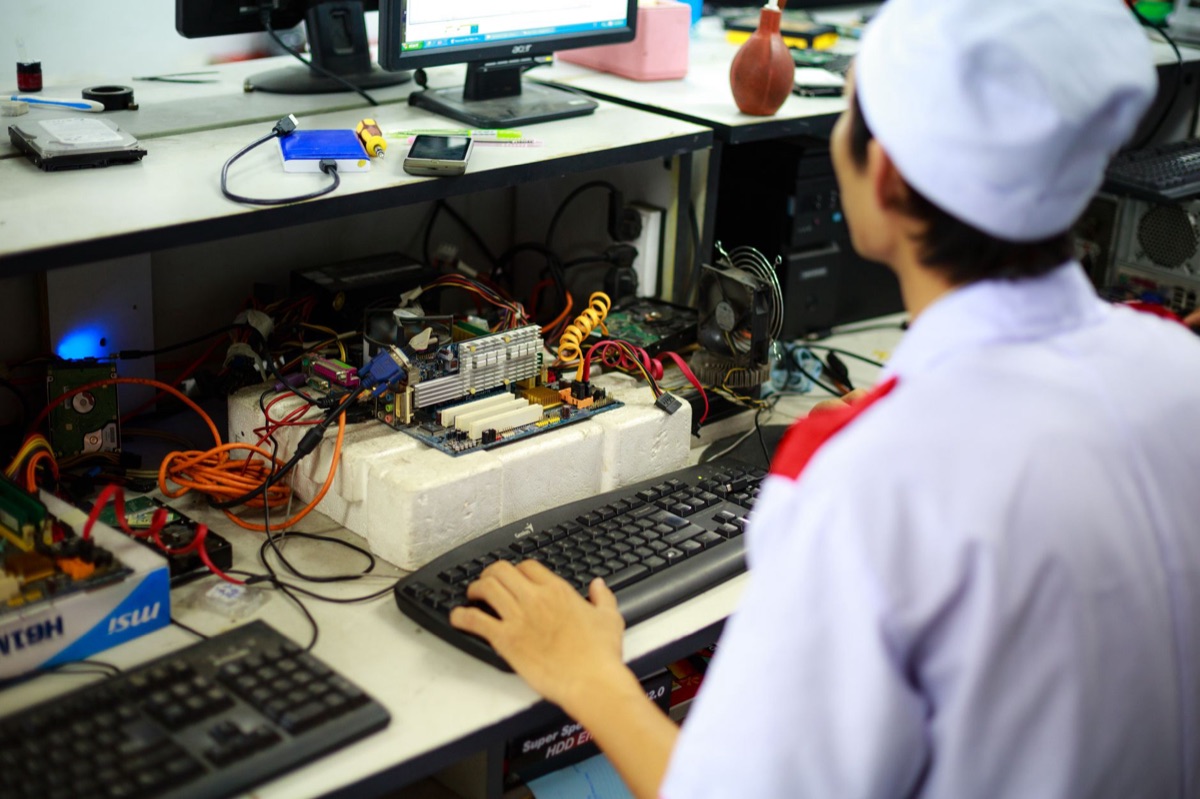
A surgeon stands at a console, hands gripping controllers that translate tiny finger movements into precise movements of a robotic tool inside a patient's body.
The level of precision required in modern surgery often exceeds the natural capabilities of the human hand, particularly regarding tremor suppression and micro-scale maneuvers. AI-integrated systems solve this by filtering out human error and providing stabilized, high-definition visual feedback.
In the operating room, AI works behind the scenes to map out surgical paths and identify critical structures like nerves or blood vessels. By integrating computer vision, these robots can highlight areas of concern on a screen or prevent the tool from moving into a restricted zone.
This prevents accidental injury and allows for minimally invasive procedures that result in faster recovery times for patients.
The process of AI-assisted surgery typically follows these steps: 1. Pre-operative Mapping: Analyzing 3D scans to create a digital twin of the patient's anatomy. 2. Intra-operative Guidance: Real-time overlay of digital maps onto the live surgical field. 3.
Dynamic Adjustment: Automatically compensating for patient breathing or slight movements. 4. Post-operative Analysis: Reviewing the procedure data to improve future surgical accuracy.
This level of detail ensures that every incision is purposeful and every movement is optimized for the specific anatomy of the patient. As the technology matures, the boundary between the surgeon's hand and the robotic tool continues to blur.
Can robots assist in patient rehabilitation?
An elderly man struggles to stand, but a robotic exoskeleton supports his weight, guiding his legs through a precise walking motion. Rehabilitation is a slow, repetitive process that requires both physical strength and mental endurance from the patient.
AI-integrated robotics can provide the exact amount of assistance needed, gradually reducing support as the patient gains strength.
These systems use sensors to detect the user's intent and muscle engagement, providing "assistance-as-needed." This prevents the patient from becoming overly dependent on the machine while ensuring they are pushed just enough to promote neuroplasticity and muscle regrowth.
The data collected during these sessions is invaluable for therapists, providing a clear picture of progress over time.
* Exoskeletons: Wearable devices that assist with mobility and gait training. * \\Rehabilitation Arms: Robotic limbs that help patients regain upper-body strength and coordination. * Socially Assistive Robots: Machines designed to provide cognitive stimulation and emotional support.
By providing consistent, data-driven therapy, these robots allow for more intensive rehabilitation sessions that would be physically impossible for a human therapist to manage alone for extended periods. This scalability is key to addressing the growing demand for rehabilitative care globally.
What are the limitations of robotic autonomy?
A technician watches a screen as a robot performs a routine task, noting a slight delay in its response to a changed environment. Despite the rapid advancement of AI, there are significant hurdles to overcome before robots can operate entirely independently in a clinical setting.
As noted in a report from Medical Service, the global medical robots market is projected to reach USD 41.7 billion by 2031.
The complexity of human biology and the unpredictability of medical emergencies mean that human oversight is currently indispensable.
One major limitation is the "black box" problem of deep learning, where it is difficult to understand exactly why an AI made a specific decision. In a medical context, transparency is vital; clinicians must be able to trust the logic behind a robot's suggestion.
Furthermore, the physical environment of a hospital is chaotic, filled with moving people, varying lighting, and unpredictable patient behaviors that can confuse even the most advanced sensors.
It is important to note that: * AI cannot replace the ethical judgment of a human physician. - Total autonomy is not currently feasible for high-risk surgical procedures. - Sensor limitations can still lead to errors in complex physical environments.
While we move toward higher levels of autonomy, the focus remains on "human-in-the-loop" systems. These are designs where the robot performs the heavy lifting or precise tasks, but the human makes the final, critical decisions.
When I tried the steps in order, the second one is where I paused longest.
Related

Comments 0