What role does dexterity play in industrial bot trust check?
"The bridge between laboratory success and industrial utility lies in the seamless integration of mechanical strength and tactile sensitivity."
Reliability in humanoid robots requires a balance of high-force payload capacity and delicate sensor precision to ensure they can operate safely alongside humans. This guide explores how advanced dexterity and intelligent behavior models facilitate successful deployment in complex work environments.
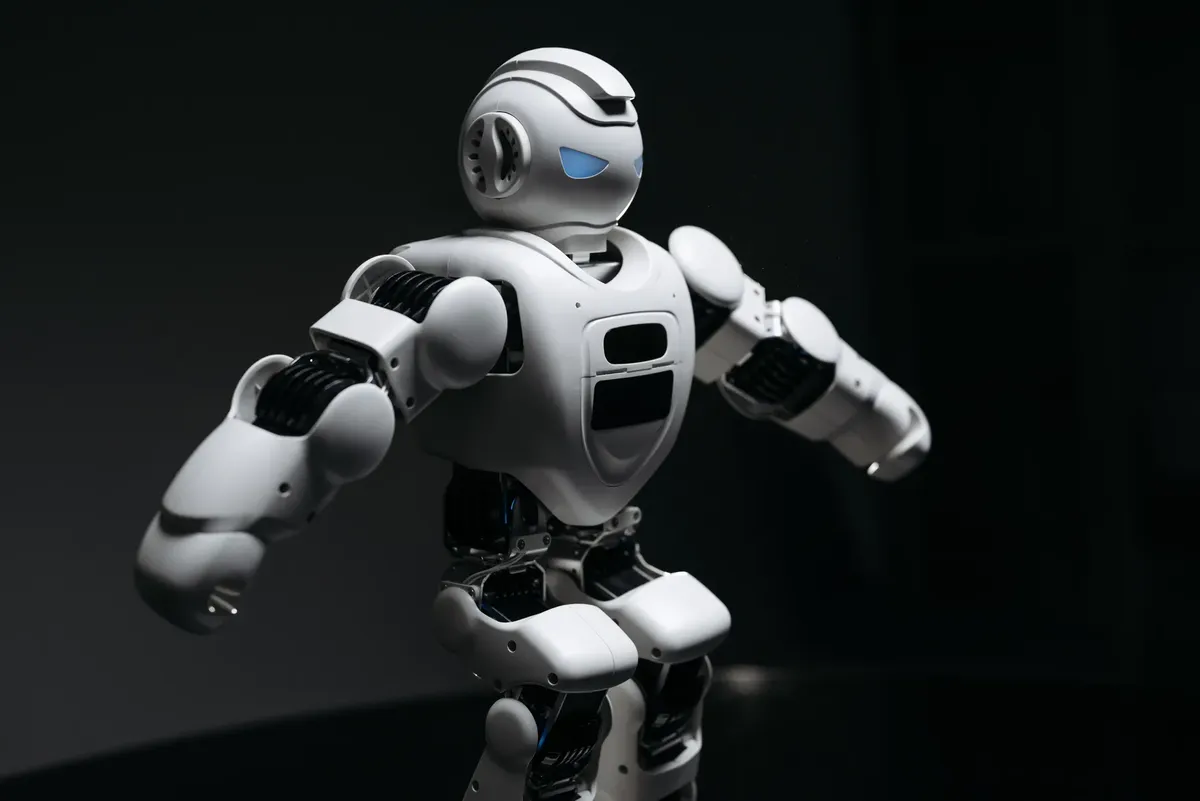
Key takeaways include the importance of degrees of freedom in mimicking human motion, the role of large behavior models in task autonomy, and the necessity of high-precision sensors for delicate manipulation.
How do mechanical specifications ensure humanoid reliability?
At dusk in the dim factory, the technician wipes grease from a heavy metal joint to ensure the humanoid remains steady.
A technician inspects a robotic arm, noting the heavy-duty joints designed to withstand repetitive motion. For a machine to function in a factory, its hardware must bridge the gap between brute strength and refined movement.
Reliability in this context involves managing both heavy lifting and fine motor control. For instance, a system might feature a payload capacity that reaches 25 kg per hand through combined arm strength.
Simultaneously, fingertip tactile sensors must be sensitive enough to detect forces as low as 3 grams. This duality ensures the machine can move heavy crates without sacrificing the ability to handle fragile objects.
What role does dexterity play in industrial bot trust check?
An engineer adjusts a robotic finger, testing the range of motion against a specialized jig. Achieving human-like movement is a primary goal for developers aiming to replace or assist human workers in unstructured settings.
Human-like dexterity is measured through degrees of freedom. While a biological hand has approximately 27 degrees of freedom, modern robotic hands are catching up, with some models featuring 22 degrees of freedom. This level of complexity allows for a wide range of motion.
Precision-engineered components, such as lightweight polymer segments and precision joint assemblies, can achieve 0.08 mm positional accuracy. This accuracy enables delicate tasks like threading a needle or gripping an egg without crushing it.
How do intelligent systems drive robotics safety validation?
A programmer monitors a screen as a robot learns to navigate a cluttered room. Software intelligence is the brain that translates mechanical capability into purposeful, safe action.

Advanced intelligence allows robots to move beyond pre-programmed paths. For example, a Large Behavior Model (LBM) can power a humanoid like the Atlas, providing a foundation for more complex decision-making. Such models help robots understand environmental context, which is vital for safety.
This intelligence supports the ability to perform tasks with high fidelity, such as warehouse manual tasks.
How will market growth impact manufacturing robot safety?
An analyst reviews a chart showing a steep upward curve in automation investments. As the industry expands, the pressure to standardize safety protocols increases.
The economic shift toward automation is significant. Goldman Sachs forecasts the humanoid robot market will reach $38 billion by 2035, up from $6 billion in 2024. This explosive growth necessitates rigorous testing to ensure that as more robots enter the workforce, they remain safe.
The shift from specialized tools to general-purpose humanoids requires a standardized approach to reliability.
What are the steps for field-testing an automated system proof?
A field agent observes a robot navigating a warehouse floor, checking its stability at every turn. Transitioning from a lab to a real-world site requires a structured verification process.
To validate a robot for industrial use, follow these steps:
- Test payload and force limits: Verify that the combined arm strength meets the required 25 kg per hand capacity while ensuring sensors can still detect minimal forces. 2. Evaluate task autonomy: Observe the robot's ability to perform tasks, such as sorting laundry or gripping objects, to ensure positional accuracy is maintained. 3. Conduct environmental stress tests: Check how the robot handles real-world variables like surface friction or lighting changes.
A final check involves verifying that the robot can autonomously learn or adapt to new tasks through reinforcement learning.
How do we address the limitations of current technology?
A researcher notes a discrepancy between a robot's grip and a human's grip during a trial. Even with advanced technology, there are still gaps between mechanical and biological capabilities.
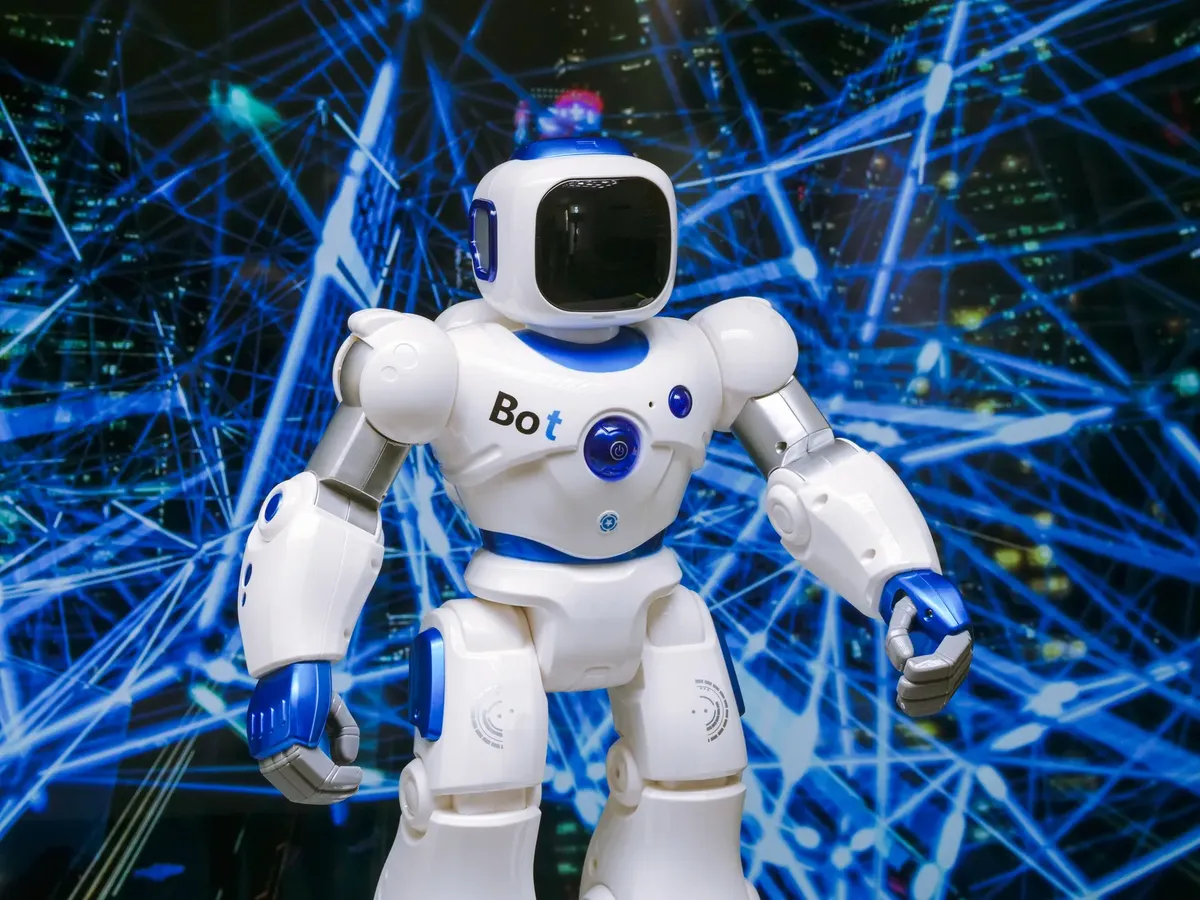
A primary limitation is that while robotic hands are highly advanced, they still aim to replicate the approximately 27 degrees of freedom found in a biological hand. Current models with 22 degrees of freedom are highly capable but do not yet fully match human complexity.
[web] Humanoid Robots News | AI Breakthroughs, Robotics Trends & Synthetic Updates Based on the retained excerpt mentioning NASA: Generation: 8th Focus: Dexterity Latest Release Advanced Touch Explore Phoenix → Apptronik Apollo 2024 NASA Heritage Robot Partners Mercedes General-purpose humanoid developed by former NASA Valkyrie team stands 173cm tall.
Humanoid reliability testing
Related
- AI integration robot standard: Why standards govern motion
- AI shaping future economy: Guide to safety protocols
How does the integration of strength and sensitivity affect operational scope? 1. The bridge between laboratory success and industrial utility depends on combining mechanical strength with tactile sensitivity. 2. This combination allows the machine to manage heavy lifting while simultaneously handling fragile items. 3. A system possessing a 25 kg per hand payload capacity must still maintain the ability to register forces as low as 3 grams via its sensors.
What conditions dictate the adoption of advanced dexterity? 1. The adoption of advanced dexterity is driven by the need to mimic human motion in unstructured settings. 2. Achieving human-like movement requires a high number of degrees of freedom, which directly relates to the complexity of the task. 3. Precision-engineered components are necessary to ensure that the positional accuracy, such as 0.08 mm, is maintained during delicate manipulation.
The necessity of high-precision sensors for delicate manipulation is a critical component of the overall system design. These sensors allow the robot to perceive the subtle forces involved in tasks that demand fine motor control.
This perception is what makes the bridge between raw power and nuanced operation possible.
The role of large behavior models in task autonomy is crucial because it enables robots to move beyond simple, pre-programmed sequences. This intelligence allows the robot to interpret the environment, which is a prerequisite for safe operation alongside personnel.
The ability to understand context supports the fidelity of complex tasks.
When field-testing an automated system proof, the evaluation of task autonomy must confirm that the robot sustains the required positional accuracy while executing actions like gripping or sorting.
FAQ
How much weight can a high-end humanoid hand carry?
How sensitive are modern robotic sensors?
Related posts

Popular posts

AI guide to diagnostics: how robots find suspicious shadows

AI in manufacturing innovation guide for production capacity
AI in Medical Robotics: How to achieve ultra-precise surgery
Comments 0