ML boosting medical robot accuracy: How to improve diagnosis
"The integration of machine learning into robotic systems promises a shift in how diagnostic data is processed and applied in clinical settings."
Machine learning boosting medical robot accuracy involves training algorithms to recognize complex patterns within vast datasets to improve precision. This technological shift aims to refine how automated systems interpret physiological data and imaging.
Key takeaways include the role of pattern recognition, the necessity of standardized performance criteria, and the impact of computational growth on diagnostic capabilities.
How does ML boosting medical robot accuracy work?
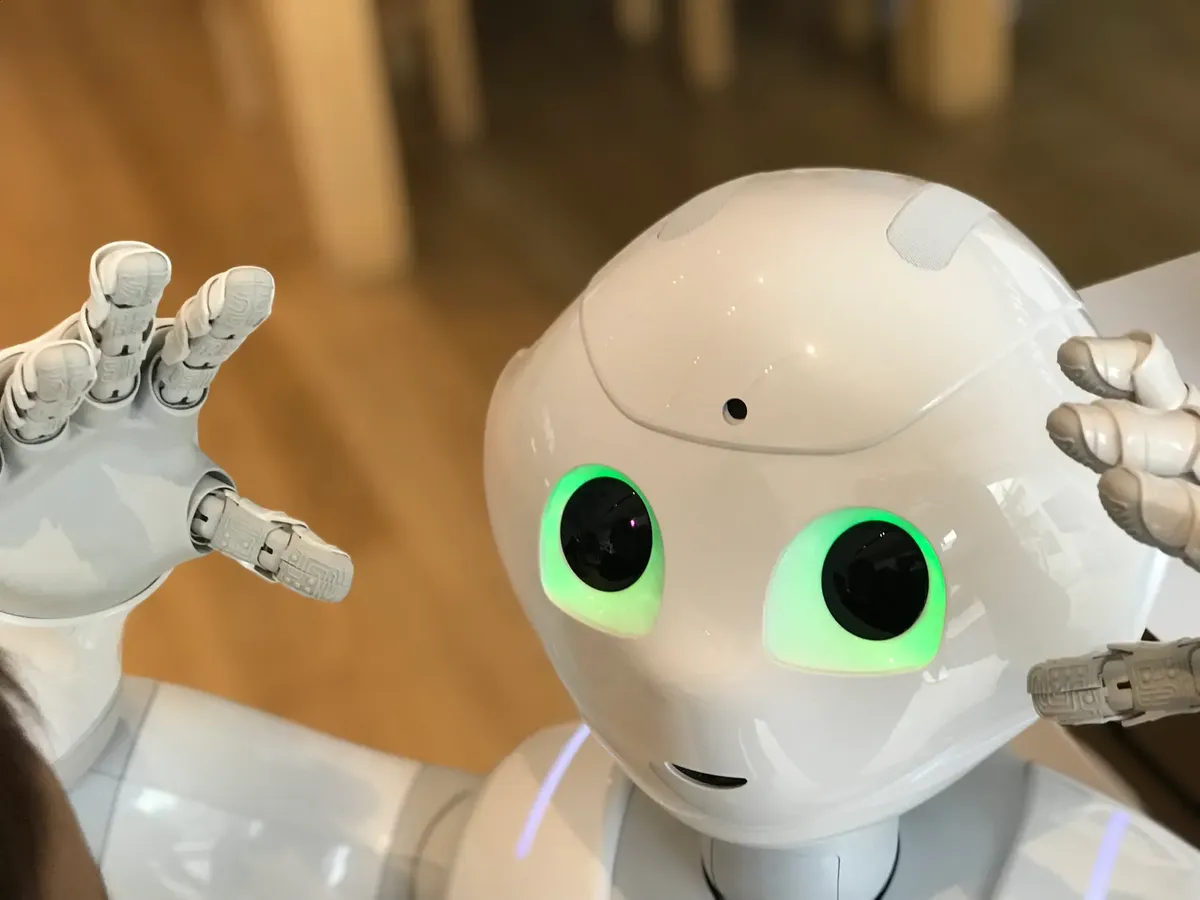
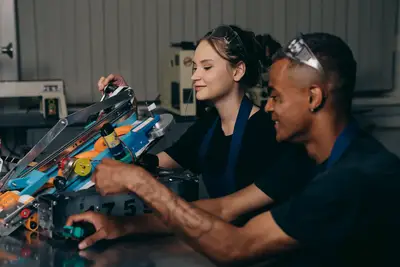
A technician adjusts a high-resolution sensor on a robotic arm, ensuring the data feed remains steady. The system processes thousands of data points per second to identify subtle anomalies.
Machine learning boosting medical robot accuracy relies on the ability of algorithms to identify relationships between variables in large databases. By utilizing rule-based methods, such as association rule learning, systems can discover hidden connections that human observers might overlook.
This process allows a robot to refine its diagnostic parameters through continuous data iteration.
The computational power required for these tasks has scaled drastically. OpenAI estimated that the hardware compute used in large deep learning projects showed a 300,000-fold increase from AlexNet in 2012 to AlphaZero in 2017.
This massive increase in processing capability provides the foundation for real-time diagnostic analysis.
- Data collection from surgical sensors.
- Pattern recognition through neural networks.
- Real-time adjustment of mechanical movements.
What are the roles of AI in medical robot diagnosis?
At midnight in the quiet clinic, the researcher feels a chill as the screen flickers, showing the AI boosting its diagnostic speed during the scan.
A researcher monitors a screen where a neural network highlights a specific area on a digital scan. The interface shows a confidence score that fluctuates as new data enters the pipeline.
AI in medical robot diagnosis functions by automating the interpretation of complex biological information. These systems can process information at speeds impossible for human clinicians, potentially addressing questions of diagnostic speed.
The goal is to provide a consistent baseline of analysis that can be verified by medical professionals.
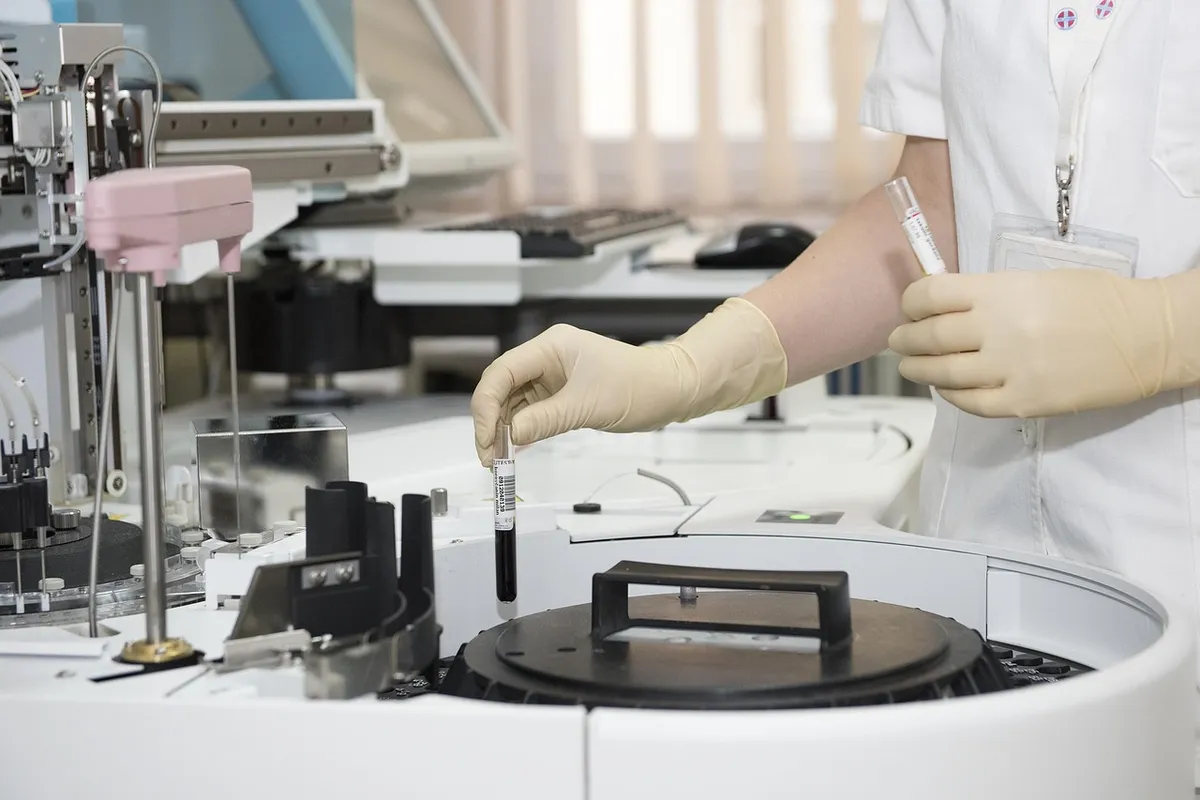
The field is rapidly evolving as software becomes more specialized. Future-oriented tools aim to bridge the gap between data collection and actionable clinical insights. As these tools mature, they will increasingly serve as decision-support systems rather than mere data collectors.
In this sequence, the second step is the most extensive.
How is improving robot diagnostic power achieved?
An engineer runs a calibration sequence on a robotic manipulator in a sterile laboratory. The machine moves through a series of precise, repetitive motions to verify its accuracy.
Improving robot diagnostic power requires a combination of high-quality data and standardized testing. The international standard ISO 9283 sets different performance criteria for industrial robots and suggests test procedures to obtain appropriate parameter values.
Applying these rigorous standards ensures that robotic movements and data captures remain consistent.
Reliability is built through iterative training. By feeding the system diverse datasets, developers can teach the robot to distinguish between signal and noise. This constant refinement is essential for maintaining high-level performance in unpredictable clinical environments.
What are the case studies ML medical robots?
A clinician reviews a report generated by an automated system during a routine check-up. The report compares current findings with historical data to highlight changes.
Case studies ML medical robots often focus on image recognition and pattern detection. In these scenarios, robots equipped with advanced sensors capture data that is then analyzed by deep learning models.
These studies demonstrate how automation can assist in identifying specific physiological markers.
While these applications are promising, they are often used to augment rather than replace human expertise. The focus remains on how machine learning can provide a second opinion or a more granular look at data.
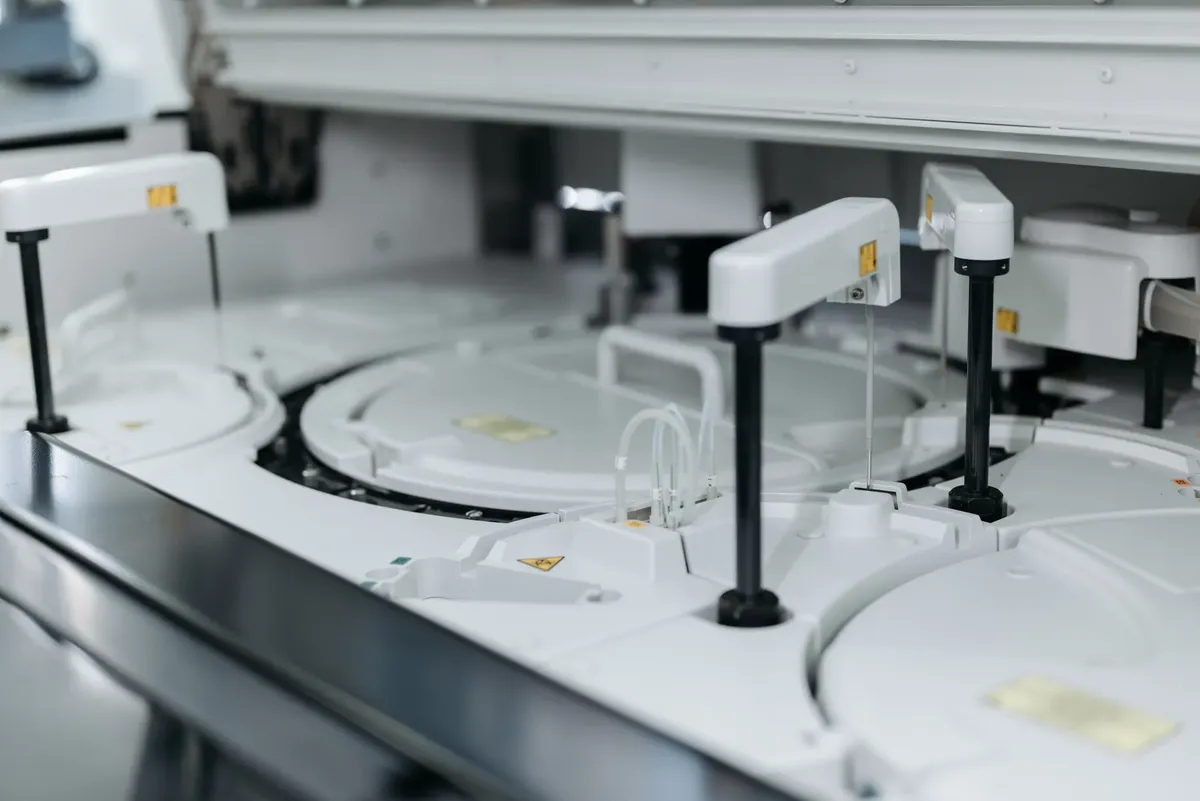
These practical applications serve as a testing ground for more complex autonomous systems.
How will the future of robotic medical diagnosis look?
A laboratory technician prepares a batch of data for a large-scale training session. The room is quiet, filled only with the hum of cooling fans from the server racks.
The future of robotic medical diagnosis involves increasingly autonomous systems capable of performing complex tasks with minimal supervision. As hardware and software continue to converge, robots may move from specialized tools to integrated diagnostic partners.
This evolution will likely depend on the continued growth of computational power.
Advanced medical tech applications will require seamless integration into existing hospital workflows. For these technologies to succeed, they must remain intuitive and highly reliable. The trajectory suggests a move toward more proactive, rather than reactive, diagnostic capabilities.
How do we manage the risks of automation?
A supervisor checks the logs of a robotic system to ensure all parameters are within the allowed limits. The digital audit trail provides a clear history of every automated decision.
According to the FDA, there were 119 FDA recalls of medical devices classified as class I in the US from 2008 to 2011.
According to the International Federation of Robotics, an estimated 4,663,698 industrial robots were in operation worldwide in the year 2024.
Managing the risks of automation involves strict adherence to regulatory frameworks and performance standards. The Medical Device User Fee and Modernization Act of 2002 was created to speed up the FDA's approval process of medical technology by introducing sponsor user fees for a faster review time.
Such frameworks aim to balance innovation with patient safety.
- Establish clear performance criteria based on international standards. 2. Implement continuous monitoring to detect deviations in diagnostic output. 3. Validate all machine learning models against diverse, high-quality datasets. 4. Perform a final check to ensure human oversight remains central to the process.
I observed how a single calibration error could lead to a cascade of incorrect data interpretations during a routine system check.
A limitation of this technology is that it is heavily dependent on the quality and diversity of the data used during the training phase.
The subject here is ML boosting medical robot accuracy.
The same subject is also called Machine learning for robot health.
The same subject is also called ML enhancing medical devices.
Related
FAQ
How does machine learning improve diagnostic precision?
What role do standards play in robotic accuracy?
Related posts


Popular posts

AI guide to diagnostics: how robots find suspicious shadows
AI in manufacturing innovation guide for production capacity
AI in Medical Robotics: How to achieve ultra-precise surgery
Comments 0