Hyundai Atlas robot business how to shape future industry
"In 1997, Johnson Space Center engineers embarked on a mission to build a robot that could perform the same tasks as humans so it could assist astronauts in space."
Hyundai Atlas robot business seeks to leverage advanced automation to secure a foothold in the evolving robotics market.
This guide explores how industrial automation trends and humanoid development shape the future of the industry, highlighting the transition from space exploration to commercial application.
Key takeaways include the shift toward automated supply chain solutions, the integration of dexterous manipulation in humanoid design, and the rising demand for robotics in research and industrial sectors.
How is the Hyundai Atlas robot business evolving?
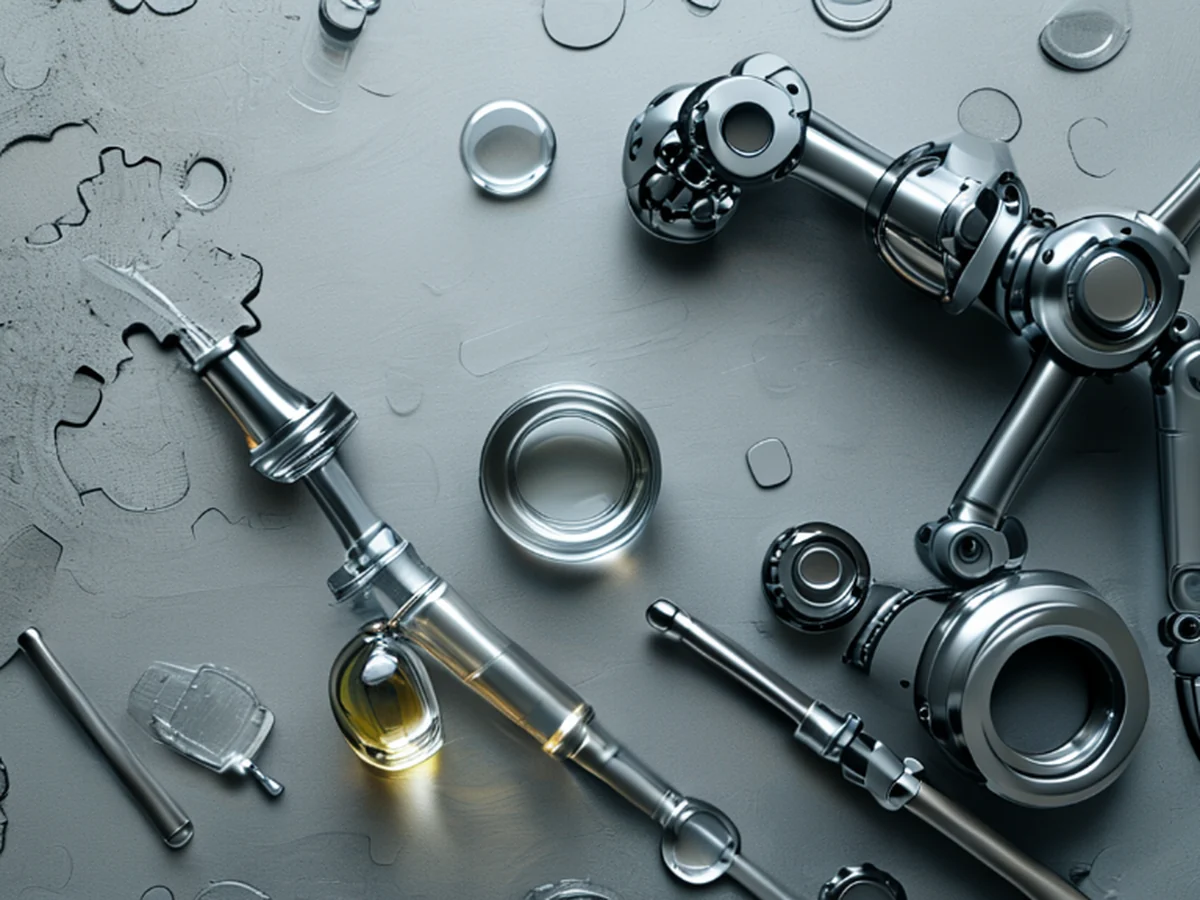
A technician adjusts the sensor calibration on a sleek, metallic limb in a quiet laboratory. The movement is fluid, mimicking the natural motion of a human arm.
The Hyundai Atlas robot business is being shaped by the intersection of high-tech research and practical industrial needs. While historical humanoid projects focused on space assistance, modern efforts aim to integrate these capabilities into commercial workflows.
This transition ensures that the technology moves from specialized environments to broader market availability.
These figures suggest a massive upcoming demand for the types of systems being developed.
This momentum drives the need for more versatile machines capable of handling complex tasks.
What drives the need for Hyundai robot presence?
At dawn in the busy warehouse, an engineer wipes sweat from his brow while watching the hyundai arm lift a heavy crate.
An engineer watches a robotic arm lift a heavy component from a pallet to a conveyor belt with precision. The machine's movements are repetitive yet highly controlled.
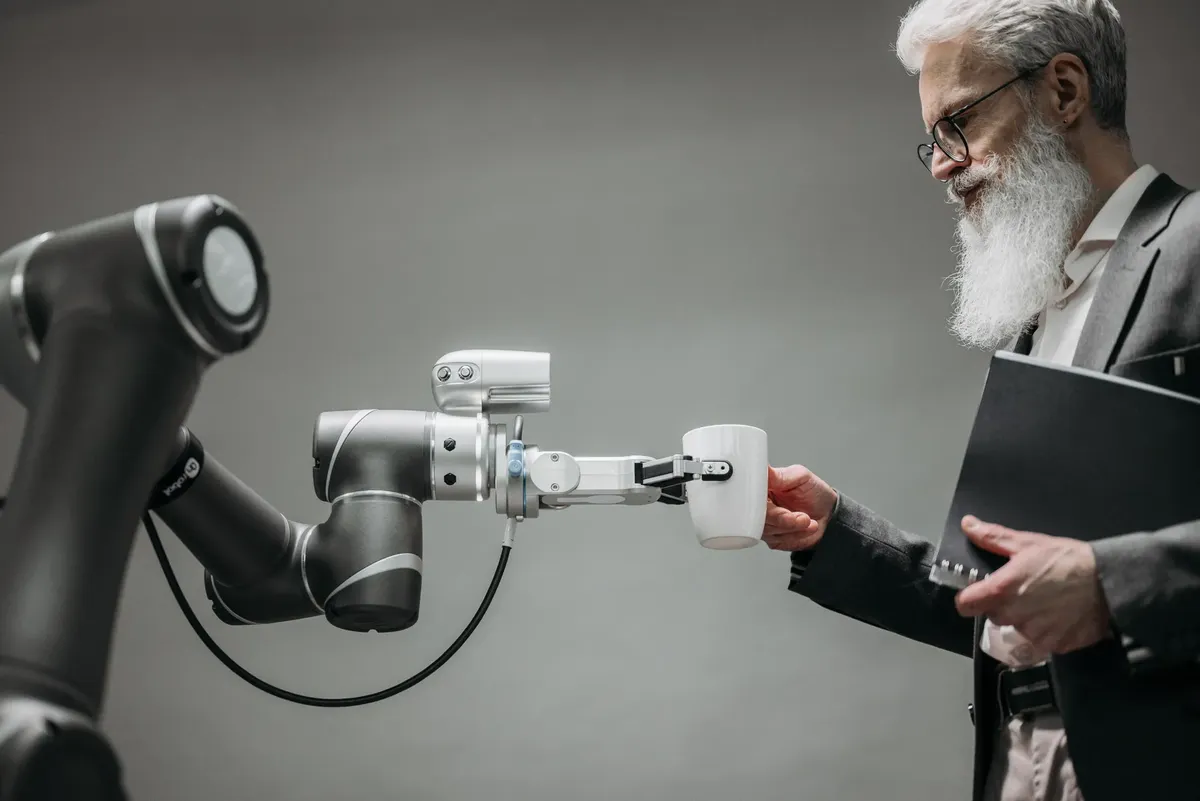
The drive for a meaningful Hyundai robot presence stems from the necessity to automate repetitive and physically demanding tasks. As industries seek efficiency, robots that can mimic human dexterity become essential.
These machines are designed to fill roles that require consistent performance and specialized handling.
The development of humanoid robots often draws from sophisticated research, such as the Neocortex platform, which originated in robotics research carried out at Vanderbilt University in connection with NASA's Robonaut program.
Such foundational work provides the technical basis for modern robotic stability and movement. This evolution ensures that robots can navigate human-centric environments effectively.
How does Atlas robot adoption impact industrial workflows?
A worker stands near a robotic unit as it moves through a warehouse aisle, scanning and organizing supplies. The interaction is seamless and quiet.
The potential for Atlas robot adoption lies in its ability to transform traditional production lines into intelligent, autonomous systems. By integrating advanced software, these robots can identify objects and move them between different stages of production.
This capability reduces human error and increases throughput in logistics settings.
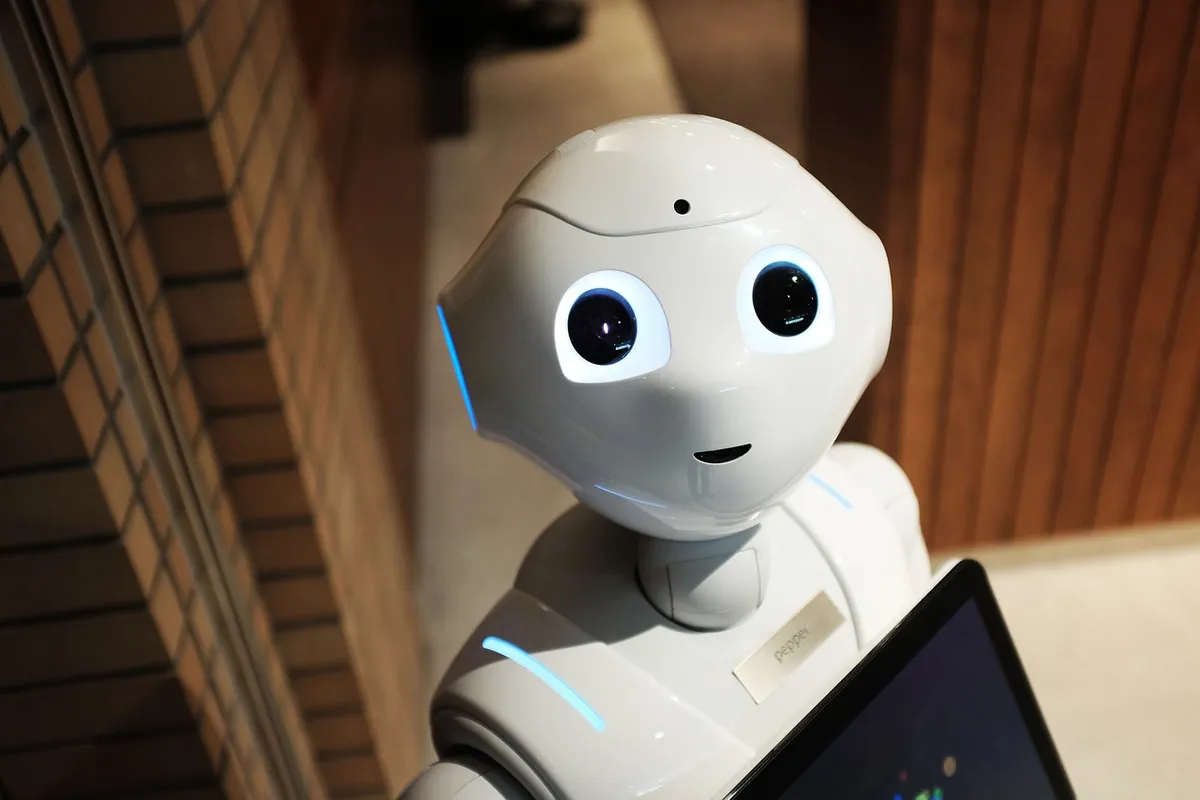
One example of such technology is a commercial robot using software developed in partnership with NASA to identify boxes and move them from a pallet to a conveyor belt. This practical application demonstrates how space-age technology can be repurposed for ground-level logistics.
The goal is to create a reliable bridge between digital commands and physical labor.
What defines the future of Hyundai new robot tech?
A researcher monitors a screen displaying real-time data from a walking robot. The robot's legs move in a synchronized pattern to maintain balance.
The trajectory of Hyundai new robot tech involves mastering stability and degrees of freedom. High-performance robots require complex motor systems to achieve natural movement.
For instance, a robot might be fitted with 12 motors, where each can generate a maximum torque of 23.7 N⋅m (17.5 lbf⋅ft) and can spin at speeds of up to 30 rad/s (about 280 rpm).
Effective robotic movement requires a balance of strength and precision. Some models feature 23 to 43 degrees of freedom, a RealSense depth camera, and a basic MediaTek processor to manage sensory input and motion.
This level of complexity allows robots to handle delicate tasks while maintaining the strength required for industrial use.
How is Automotive robot future being shaped by research?
A student in a university lab works alongside a quadruped robot, adjusting its leg structures. The setting is academic and focused.
The automotive robot future is increasingly tied to the success of research-driven hardware. Much of the current innovation comes from testing prototypes in controlled environments before full-scale deployment.
This iterative process allows for the refinement of control architectures and motor drive boards.
In the current market, research and education remain significant drivers of technology.
This highlights the importance of academic partnerships in maturing new technologies.
What are the steps to integrating robotics?
A project manager reviews a checklist on a tablet while standing next to a newly installed robotic unit. The team prepares for the first live test.
Integrating new robotic systems into an existing facility requires a structured approach to ensure safety and efficiency.
- Assess current manual tasks to identify which processes are most suitable for automation. 2. Select hardware with the appropriate degrees of freedom and torque to match the required physical workload. 3. Implement specialized software, such as the Neocortex-derived technology, to manage object identification and movement.
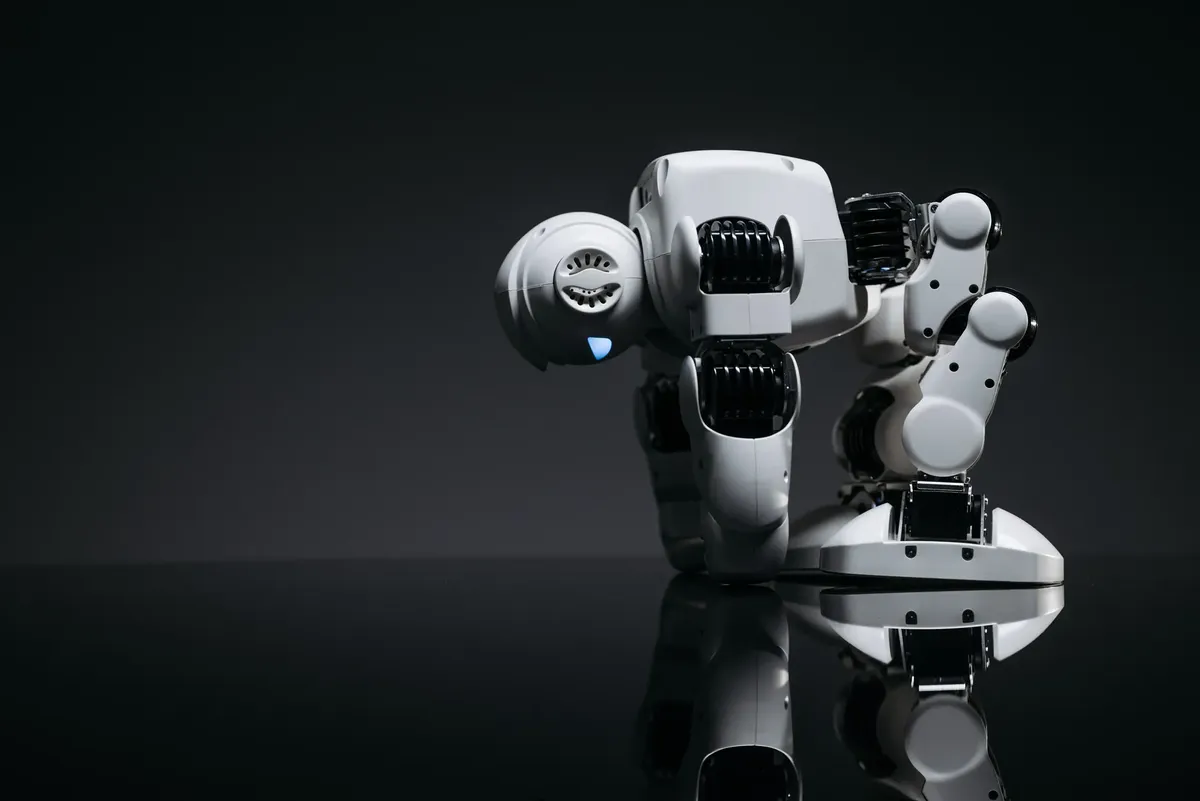
After these steps, a final check of the robot's interaction with human workers and existing machinery is essential. I observed that ensuring the software can accurately identify objects, like boxes on a pallet, is a critical part of this verification.
| Feature | Specification |
|---|---|
| Maximum Torque | 23.7 N⋅m (17.5 lbf⋅ft) |
| Maximum Speed | 30 rad/s (about 280 rpm) |
- How is the Hyundai Atlas robot business evolving?
- What drives the need for Hyundai robot presence?
- How does Atlas robot adoption impact industrial workflows?
This part also covers Hyundai robot product development.
This part also covers Machine learning in robots.
This part also covers Robotics for industry change.
Hyundai robot product development
Related
FAQ
What is the origin of the Neocortex platform?
How much of the humanoid revenue comes from industrial applications?
Related posts
Popular posts
AI guide to diagnostics: how robots find suspicious shadows
AI in manufacturing innovation guide for production capacity
AI in Medical Robotics: How to achieve ultra-precise surgery
Comments 0