Robots in manufacturing innovation: How to guide efficiency
"The integration of automated systems into production lines is no longer a distant vision but a current reality shaping global output."
Robots in manufacturing innovation represent the shift toward higher precision and safer work environments.
This transition involves deploying specialized hardware to handle repetitive tasks, integrating high-speed connectivity, and managing the complex relationship between human workers and autonomous machines.
Key takeaways: * Global manufacturing output is heavily concentrated in specific regions, with China leading in 2023. * Emerging technologies like 5G and high-performance computing are critical for enhancing human-robot partnerships.
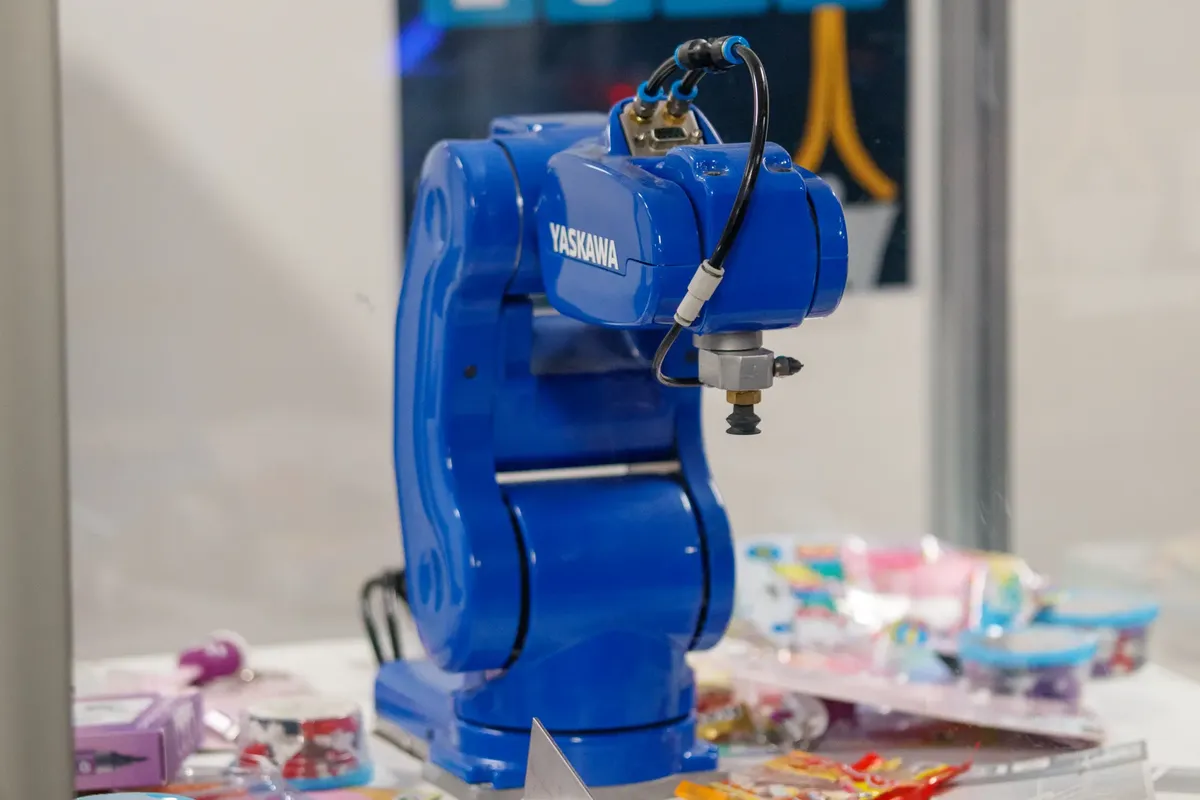
* Advanced mobility and assistive products represent a significant portion of patent filings in the sector.
How is the global landscape of robots in manufacturing innovation changing?
A technician adjusts a robotic arm in a sprawling factory hall, watching the synchronized movement of heavy machinery. The scale of production is massive, reflecting the shifting centers of industrial power across the globe.
According to the United Nations Industrial Development Organization (UNIDO), China is the manufacturer with the highest output worldwide in 2023, producing 28.7% of the total global manufacturing output, followed by the United States of America, Germany, Japan, and India.
This massive output necessitates efficient automation to maintain pace with global demand.
The distribution of technology remains unevenly spread across continents. Roughly half of all the robots in the world are in Asia, 32% in Europe, and 16% in North America, with 1% in Australasia and 1% in Africa.
This concentration suggests that the epicenter of automation is firmly rooted in the East.
In this sequence, the first point is the most fundamental.
What drives the future of manufacturing with robots?
An engineer monitors a dashboard where data streams from various sensors, tracking the real-time performance of an assembly line. The interface shows the seamless integration of software and hardware.
The advancement of connectivity is a primary driver for new production methods. Further, advances in 5G and high-performance computing (HPC) will enhance person-robot partnerships. These technologies allow for faster data processing and more responsive machine movements.
Smart factory automation relies heavily on these communication breakthroughs to function effectively. As connectivity improves, the ability to coordinate complex tasks between different machines becomes more reliable.
This technological backbone supports the growing complexity of modern production lines.
How can we achieve manufacturing efficiency with robots?
A worker stands beside a collaborative robot, guiding its movements to ensure the correct placement of a component. The interaction is smooth, demonstrating a shared workspace.
Efficiency is often found in the specialized application of robotic systems to specific tasks.
In the conventional sector, mobility represent 54% of all patent fillings, and is an indication of increased interest in advanced mobility assistive product categories, such as advanced prosthetics, walking aids, wheelchairs, and exoskeletons.
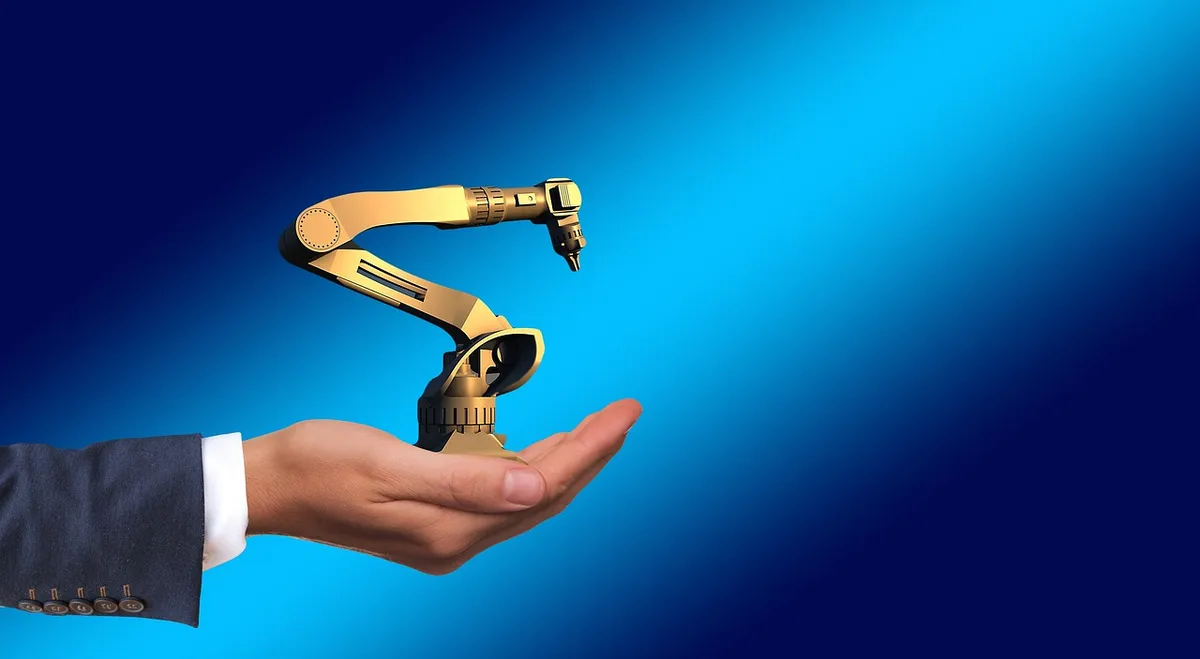
The integration of these specialized systems into the workforce can lead to significant productivity gains. By automating tasks that require precision or physical strength, companies can maintain consistent output levels. This shift allows human workers to focus on more complex oversight roles.
How do we address driving industrial revolution now?
A researcher examines a new robotic joint, testing its range of motion against a set of programmed parameters. The focus is on the intersection of mechanical engineering and intelligent software.
The transition to an automated economy requires addressing the autonomy of these machines.
In 2009, experts attended a conference hosted by the Association for the Advancement of Artificial Intelligence (AAAI) to discuss whether computers and robots might be able to acquire any autonomy, and how much these abilities might pose a threat or hazard.
Managing these risks is essential for the successful adoption of new technology. As machines become more capable, the protocols for safety and human oversight must evolve in tandem. Balancing autonomy with human control remains a central challenge for the industry.
What are the steps to integrating new technology in production lines?
A project manager reviews a deployment schedule on a tablet, marking the phases of a new robotic installation. The plan outlines the transition from manual to automated processes.
Successfully implementing new systems requires a structured approach to avoid operational downtime.
- Identify specific tasks within the production cycle that are suitable for automation, such as repetitive assembly or heavy lifting. 2. Integrate hardware with existing infrastructure, ensuring that communication protocols like 5G can support the new load. 3. Train the workforce to collaborate with the new systems, focusing on safety protocols and interface management.
I once observed a team transitioning a small assembly line to a semi-automated setup, where the primary challenge was the calibration of the new sensors. A final check of the software parameters against the physical constraints of the workspace is necessary to ensure smooth operation.
- Assess current production capabilities and bottlenecks.
- Select compatible robotic hardware and software solutions.
- Implement a pilot program to test integration stability.
Can robots in manufacturing innovation be applied to specialized mobility?
A designer sketches a new exoskeleton frame, considering how the mechanical structure will interface with a human user. The goal is to blend mobility with structural support.
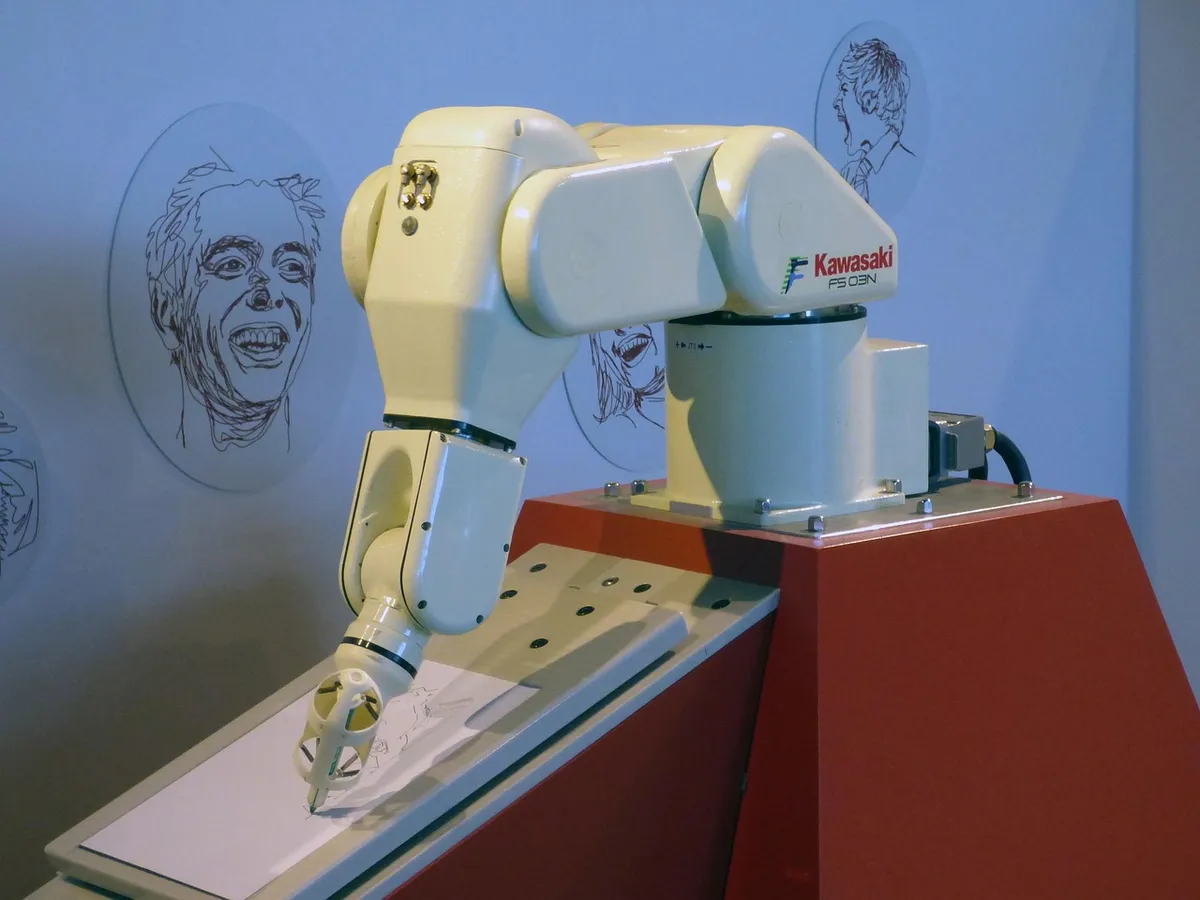
The principles of industrial robotics can be applied to specialized human-centric products. The focus remains on precision, durability, and the ability to perform tasks within specific environmental constraints.
| Category | Patent Filing Percentage |
|---|---|
| Mobility | 54% |
The high percentage of mobility-related patents shows where innovation is heavily concentrated. This intersection of robotics and mobility is a growing field of interest for developers.
The limitation of these technological advancements is that they are often dependent on the specific infrastructure and regional economic conditions present in the manufacturing environment.
The subject here is Robots in manufacturing innovation.
The same subject is also called Robotics in industry.
The same subject is also called Tech in production lines.
This part also covers How robots boost factory safety.
Related

Comments 0