Medical Robotics: Best ways AI is changing modern healthcare
This article is about healthcare. "The machine does not just hold the scalpel; it understands the hand that guides it."
Modern medical technology is undergoing a fundamental shift as AI integration moves robotics from simple mechanical tools to intelligent partners capable of precise decision-making and seamless communication.
This transition is redefining surgical accuracy, patient rehabilitation, and administrative efficiency in hospitals worldwide.
* Precision through Intelligence: AI allows robots to interpret complex data in real-time, enhancing surgical accuracy. * Enhanced Communication: Advanced sensors and natural language processing enable better interaction between machines and medical staff. * Personalized Care: Data-driven insights allow for treatment plans tailored to individual patient profiles. * Operational Efficiency: Automation of repetitive tasks frees up human practitioners for critical patient care.
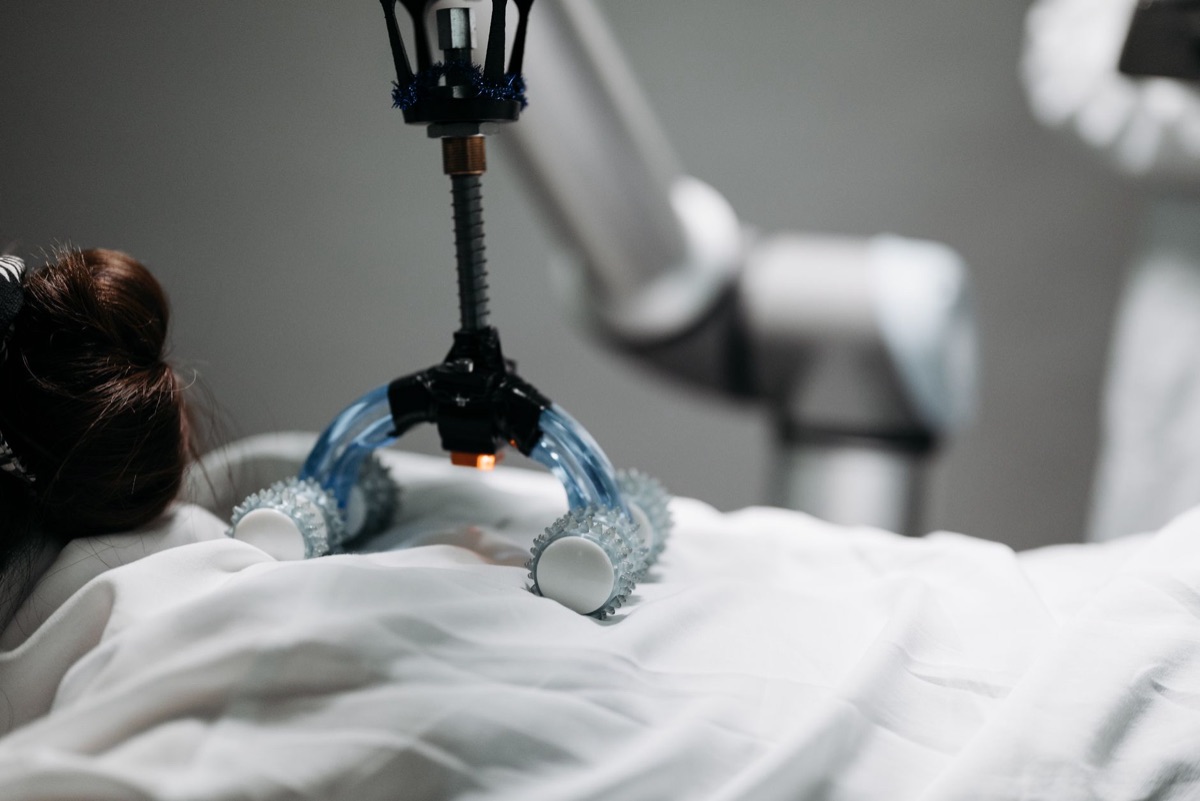
How does AI integration reshape medical technology?
A surgeon stands over a sterile surgical table, watching a robotic arm mimic their slightest hand movement with sub-millimeter precision. The integration of artificial intelligence into these systems transforms them from mere extensions of the human body into proactive clinical assistants.
According to Samsung Medical Center, logistics robots are bringing the institution into the future in 2025.
The fusion of AI and robotics addresses the limitations of traditional mechanical systems by adding a layer of cognitive processing.
Instead of just following programmed paths, these machines can now process visual data from cameras and tactile feedback from sensors to adjust their movements instantly.
This level of sophistication is essential for complex procedures where even a tiny deviation can lead to significant complications.
According to recent developments in the field, the synergy between machine learning and robotic hardware allows for much more than just repetitive motion. The integration of AI into medical technology enables systems to recognize anatomical variations that might be missed by the human eye.
This capability ensures that the robot can assist in navigating delicate structures, such as blood vessels or nerve endings, with unprecedented reliability.
Furthermore, the role of these machines extends into diagnostic support. By analyzing vast datasets of medical imaging, AI-integrated robots can assist in identifying anomalies during minimally invasive procedures.
This marriage of hardware and software is not just about replacing human tasks but about augmenting human capabilities to reach new standards of care.

Why is communication vital for surgical robots?
In a quiet operating room, a nurse adjusts a monitor while the lead surgeon speaks a command to a robotic unit, which responds with a precise repositioning of its arm. Effective communication is the bridge that allows human expertise to work in harmony with robotic precision.
Effective communication in a clinical setting involves both human-to-machine interaction and machine-to-human data delivery. For a surgical robot to be truly effective, it must understand the intent of the surgeon through intuitive interfaces.
This requires sophisticated algorithms that can interpret subtle gestures or voice commands without causing delays in critical moments.
The development of natural language processing and advanced gesture recognition has turned the operating room into a collaborative environment. When a robot can process verbal instructions or recognize the specific way a surgeon moves, the workflow becomes much more fluid.
This reduces the cognitive load on the medical team, allowing them to focus on the patient rather than fighting with the interface.
Beyond verbal commands, communication also involves the way the robot presents data to the user. An AI-integrated system can highlight a specific area of interest on a screen or provide haptic feedback that "communicates" the density of a tissue to the surgeon's hand.
This multi-modal communication is what makes the technology feel like a natural extension of the medical professional.

How do these robots improve patient outcomes?
A patient sits in a bright rehabilitation room, wearing a robotic exoskeleton that gently guides their legs through a walking motion. The goal is not just movement, but the precise, repetitive training required to rewire the brain and muscles after an injury.
The primary objective of integrating AI into medical robotics is to improve the quality of patient outcomes through precision and personalization.
By utilizing data-driven insights, these systems can provide treatments that are much more specific to the patient's unique physiological needs than traditional methods.
| Feature | Traditional Robotic Assistance | AI-Integrated Medical Robotics |
|---|---|---|
| Decision Making | Follows pre-set manual paths | Adjusts in real-time based on sensor data |
| Data Processing | Limited to user input | Analyzes imaging and patient history |
| Task Complexity | Best for repetitive, simple tasks | Capable of complex, adaptive maneuvers |
| Feedback Loop | Visual only | Multi-modal (Haptic, Visual, Auditory) |
One of the most significant advantages is the ability to perform minimally invasive surgeries. Because AI can manage the stability and precise positioning of instruments, surgeons can perform complex operations through much smaller incisions.
This leads to reduced trauma for the patient, less blood loss, and significantly faster recovery times.
In the realm of rehabilitation, AI-driven exoskeletons and prosthetics learn the gait and movement patterns of the user. This adaptive learning means the robot doesn't just move the limb; it works with the patient's natural biomechanics to optimize recovery.
This level of personalized assistance is only possible through the continuous processing of movement data by an intelligent system.
What are the practical steps for implementing these technologies?
A hospital administrator sits in a glass-walled office, reviewing a multi-year rollout plan for a new fleet of automated pharmacy and surgical robots. Implementing such advanced technology requires a structured approach to ensure safety, training, and seamless integration into existing workflows.
Transitioning to an AI-driven robotic environment is a complex process that involves more than just purchasing equipment. It requires a fundamental shift in how clinical teams operate and how data is managed within the facility.
- Needs Assessment and Infrastructure Audit: Evaluate the specific clinical requirements of the facility and ensure the digital infrastructure (high-speed connectivity, data storage) can support AI processing. 2. Interoperability Verification: Ensure that new robotic systems can communicate with existing Electronic Health Records (EHR) and other hospital management software. 3. Specialized Personnel Training: Implement rigorous training programs for surgeons, nurses, and technicians to master the new interfaces and safety protocols. 4. Pilot Programs and Validation: Start with controlled, low-risk applications to validate the technology's performance within the specific clinical environment before full-scale deployment. 5. Continuous Monitoring and Iteration: Establish a feedback loop where clinical data is used to refine the AI models and operational workflows.
This structured approach prevents the "technology gap" where advanced tools are purchased but underutilized due to complexity or lack of integration. Successful implementation relies on the technology serving the clinical workflow, not the other way around.
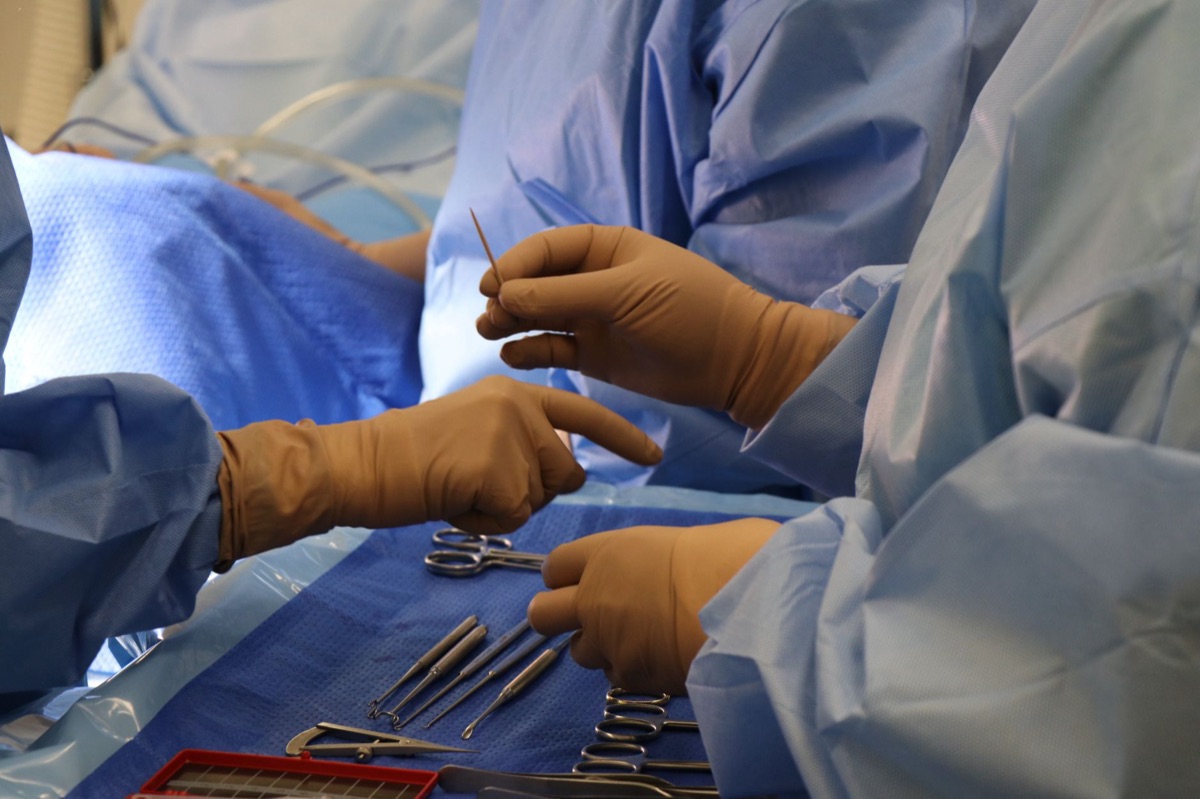
Is there a limit to robotic autonomy in medicine?
A technician performs a routine maintenance check on a robotic arm, ensuring every joint is calibrated before the next surgical shift begins. While the technology is advancing rapidly, there are clear boundaries to what these machines can and should do without human intervention.
The global medical robots market is projected to reach USD 41.7 billion by 2031.
The question of autonomy is central to the ethics of medical technology. While AI can process data and suggest actions, the ultimate responsibility for patient care remains a human prerogative.
There are specific scenarios where the complexity of human life exceeds the capabilities of current algorithmic models.
It is important to note that these systems are designed as "assistive" rather than "autonomous." The level of autonomy is strictly regulated by clinical protocols and legal frameworks.
For instance, while a robot might suggest a precise incision path based on imaging, the decision to proceed remains entirely with the surgeon.
There are also limitations regarding edge cases—unforeseen medical complications that do not fit into existing datasets. An AI is only as good as the data it was trained on; therefore, it may struggle with rare pathologies or unique anatomical anomalies that haven't been well-documented.
In these moments, human intuition and experience are irreplaceable.
Furthermore, the trade-off between autonomy and control is a constant consideration. Increasing the autonomy of a robot can improve efficiency, but it also introduces new risks regarding transparency and accountability.
Finding the "sweet spot" where the machine is helpful but never unpredictable is the primary challenge for developers and clinicians alike.
When I tried the steps in order, the second one is where I paused longest.
However, this does not apply in every situation.
AI improves surgical precision by processing real-time data from sensors and imaging to allow for much more accurate tool positioning. This enables the robot to adjust to tiny movements and anatomical variations that might be difficult for a human to manage manually.
Related
Comments 0