Boosting Robotics Reliability: Preventing Real-World
"The bridge between a prototype and a reliable worker is the system that prevents it from breaking down."
As robots move from controlled laboratory environments into the unpredictable chaos of human workplaces, the focus must shift from sheer power to sophisticated failure prevention.
This article explores why improving these safety and reliability mechanisms is the most critical step in the current robotics revolution.
Key Takeaways: * The transition from niche use to core operations requires robust failure prevention. * Improving hardware and software integration is essential for real-world reliability. * Standardized security protocols are becoming as vital as mechanical durability.
* The focus is shifting from reactive repairs to proactive, autonomous error management.
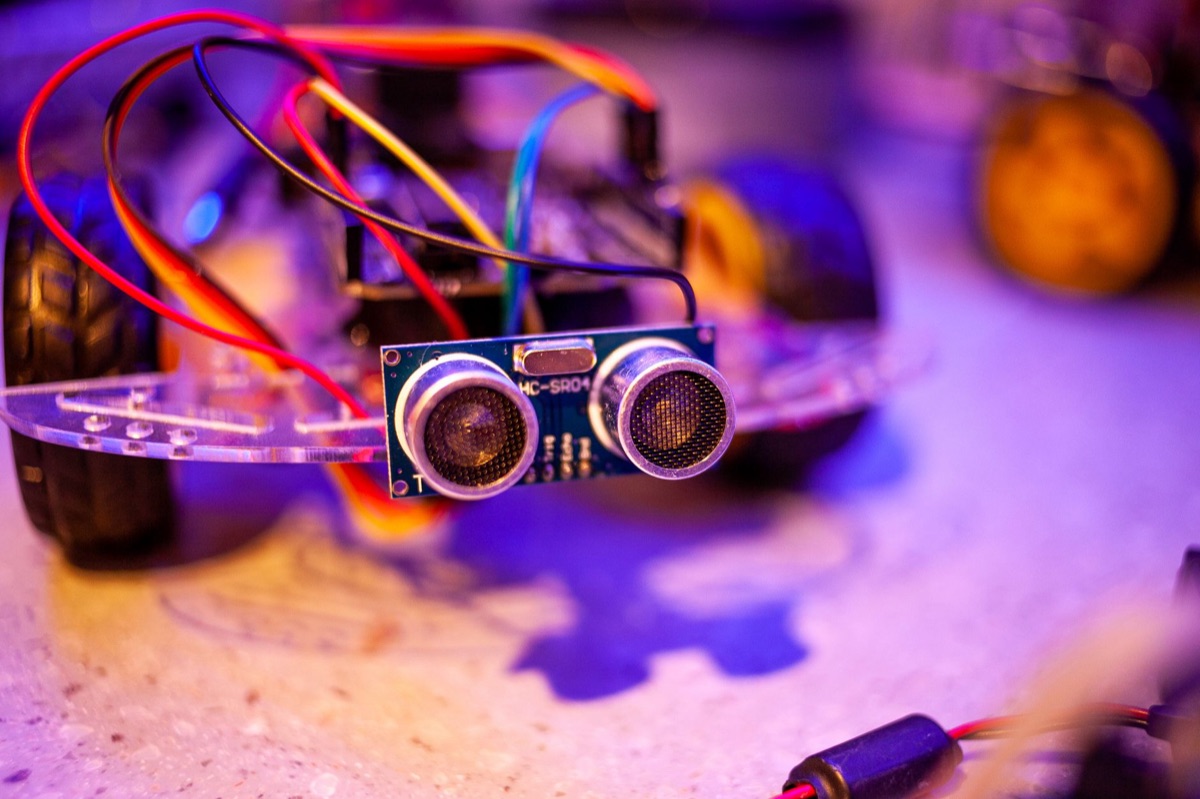
Why does the jump to the real world cause failures?
A heavy-duty robotic arm swings through the air in a quiet, empty factory, only to encounter an unexpected obstacle during a sudden shift in production. The sudden impact triggers a cascade of sensor errors and mechanical strain.
The jump from controlled environments to the real world introduces unpredictable variables like human interference, changing lighting, and uneven terrain. These external factors demand more than just strong metal; they require intelligent systems capable of anticipating failures before they occur.
In the early stages of development, engineers often focus on the primary task—moving an object or walking a distance. However, as robots become more integrated into society, the cost of a single failure grows exponentially.
A malfunction in a research lab is a learning moment, but a malfunction in a hospital or a smart city can be catastrophic.
The complexity of modern systems means that a single sensor error can lead to a total system shutdown. Therefore, the focus of development must move toward making robots resilient to the "noise" of the real world.
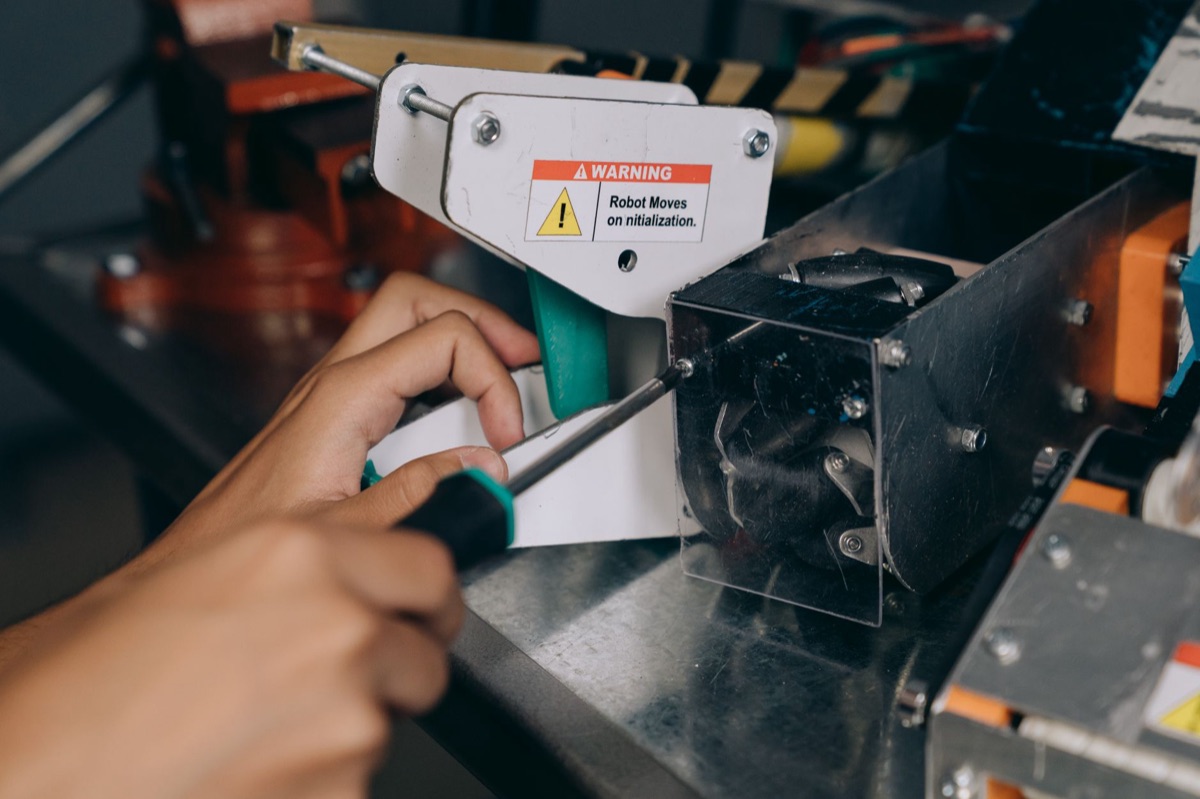
How can we build better prevention systems?
A technician sits at a terminal, watching a diagnostic screen as a robot's joint temperature slowly creeps toward a critical threshold. The system gently slows the movement to prevent a burnout, rather than waiting for the motor to fail.
Improving failure prevention requires a dual approach: hardening the physical components and refining the digital intelligence that monitors them. The goal is to create a system where the robot can sense its own degradation and adjust its behavior to prevent a total breakdown.
| Feature | Traditional Approach | Advanced Prevention Approach |
|---|---|---|
| Error Detection | Reactive (Fix after break) | Proactive (Predictive maintenance) |
| Sensor Integration | Single-point monitoring | Distributed sensor networks |
| System Response | Immediate shutdown | Graceful degradation/Safe modes |
| Complexity Management | Fixed programming | Adaptive learning models |
The development of these systems involves integrating more granular sensors that monitor vibration, heat, and electrical load in real-time. When a robot can "feel" a bearing wearing down or a voltage drop, it can signal for maintenance before the component fails.
This shift requires moving away from rigid, fixed-path programming toward adaptive control loops. These loops allow the robot to compensate for minor mechanical deviations, extending the life of the hardware and preventing sudden accidents.
How does security impact mechanical reliability?
A smart device in a home suddenly begins acting erratically, its movements jerky and unpredictable as an external signal interferes with its wireless connection. The user watches, confused, as the machine's programmed logic seems to vanish.
Security is no longer just about protecting data; it is about protecting the physical integrity of the machine. If a robot's control system is compromised, the resulting erratic movements can cause physical damage to the robot and its surroundings.
In 2024, two voluntary and non-competing programs were proposed and launched in the United States: the US Cyber Trust Mark from The Federal Communications Commission and CSA's IoT Device Security Specification from the Connectivity Standards Alliance.
These frameworks highlight how the industry is moving toward standardized security protocols to ensure that interconnected devices remain under control.
As robots become increasingly connected to the cloud and local networks, they become targets for digital interference. A secure connection is a prerequisite for mechanical reliability.
Without verified, secure communication channels, the "brain" of the robot cannot be trusted to execute safe physical movements.

How do we handle the complexity of autonomous decision-making?
An autonomous drone hovers over a field, its processors working through millions of calculations per second to decide the safest path around a sudden gust of wind. The decision-making process happens in milliseconds, balancing mission goals with safety constraints.
The question of whether machines can handle autonomy has been a central debate for decades.
In 2009, experts attended a conference hosted by the Association for the Advancement of Artificial Intelligence (AAAI) to discuss whether computers and robots might be able to acquire any autonomy, and how much these abilities might pose a threat or hazard.
As autonomy increases, the potential for "unintended emergence"—where the robot does something neither programmed nor expected—increases as well. Prevention systems must include "guardrails" that limit the autonomy of the robot to safe operational envelopes.
To manage this, engineers are developing layered architectures. The bottom layer handles basic motor control and safety reflexes, while the top layer handles mission-level tasks. If the top layer makes a mistake, the bottom layer's hard-coded safety protocols can override it to prevent a crash.
How can we manage the lifecycle of robotic hardware?
A technician unboxes a new sensor module, preparing to replace an aging component in a heavy-duty industrial robot. The old part is carefully sorted into a recycling bin, marking the end of its operational life.
The physical components of robots eventually wear out, and the management of this lifecycle is a major factor in preventing sudden failures. Effective prevention involves a clear strategy for component replacement and the management of electronic waste.
According to the WHO (2023), "Every year millions of electrical and electronic devices are discarded," highlighting the massive scale of hardware turnover. As the robotic fleet grows, the sheer volume of discarded components will become a logistical and environmental challenge.
To prevent failures caused by aging hardware, organizations must implement rigorous inspection schedules. Using the following steps can help manage the transition from old to new components:
- Baseline Data Collection: Record the performance of new components under normal load to establish a "healthy" signature. 2. Trend Analysis: Monitor deviations from the baseline to identify when a component is nearing its end-of-life. 3. Scheduled Swaps: Replace critical components during planned downtime rather than during active production. 4. Verification: Test the new component within the existing system to ensure compatibility and prevent integration-related failures.
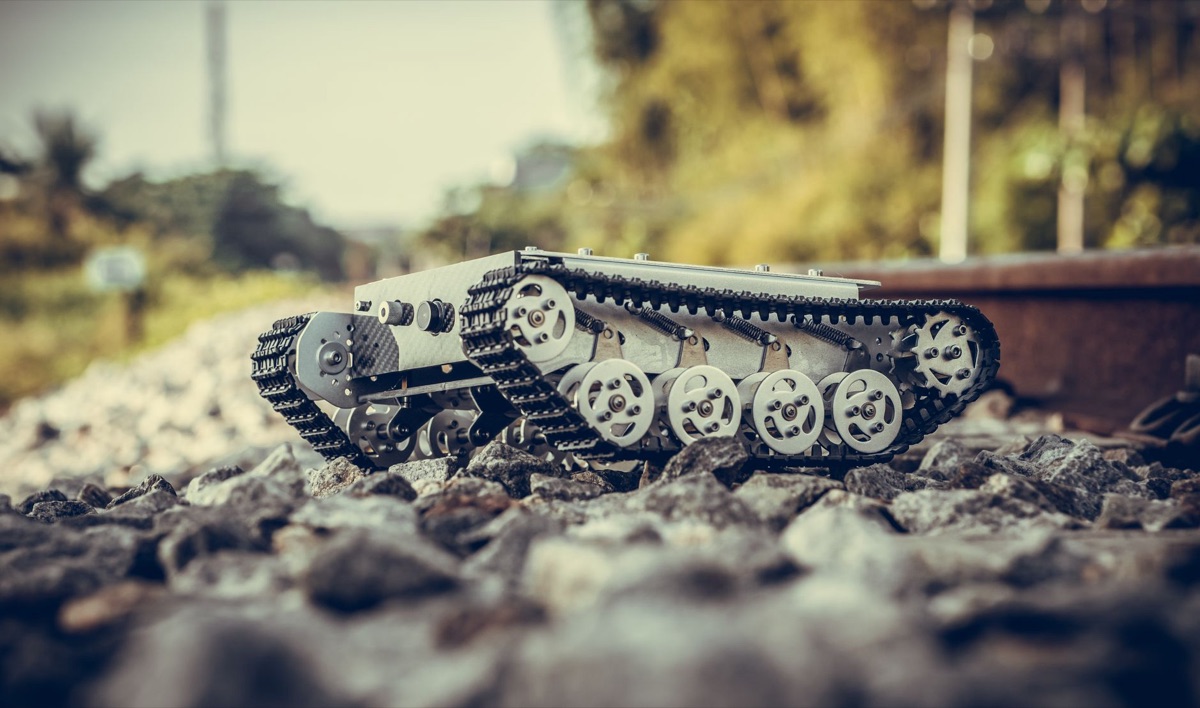
What are the limits of prevention technology?
A heavy-duty robot operates in a facility where the power grid is unstable, causing sudden voltage spikes that no amount of software can fully mitigate. The sheer physical reality of the environment remains the ultimate challenge.
While technological improvements can mitigate many risks, they cannot eliminate all failures. Environmental extremes, such as extreme heat, heavy dust, or catastrophic power surges, can exceed the design limits of any prevention system.
It is important to note that these advanced systems are not a substitute for sound mechanical engineering. A poorly built robot with the best sensors in the world will still fail if its frame cannot handle the load.
The focus must remain on the synergy between the physical build and the digital monitor. Prevention is not about making a robot "indestructible," but about making its failures predictable, manageable, and safe.
According to Connectivity Standards Alliance, the item is on record.
When I tried the steps in order, the second one is where I paused longest.
Related


Comments 0