Practical Applications of Humanoid Robots: The Growing Possibility from Factory to Home
Modern robotics has evolved beyond simple automation tools, advancing toward humanoid robots that resemble humans in both appearance and intelligence. Recently, their applications have expanded not only to industrial settings but also into domestic service environments. As a result, humanoid robots are gaining increasing attention not merely as technological achievements, but as vital instruments for enhancing the quality of human life. This article examines how humanoid robots are being applied in everyday life, analyzing their potential as well as inherent limitations.
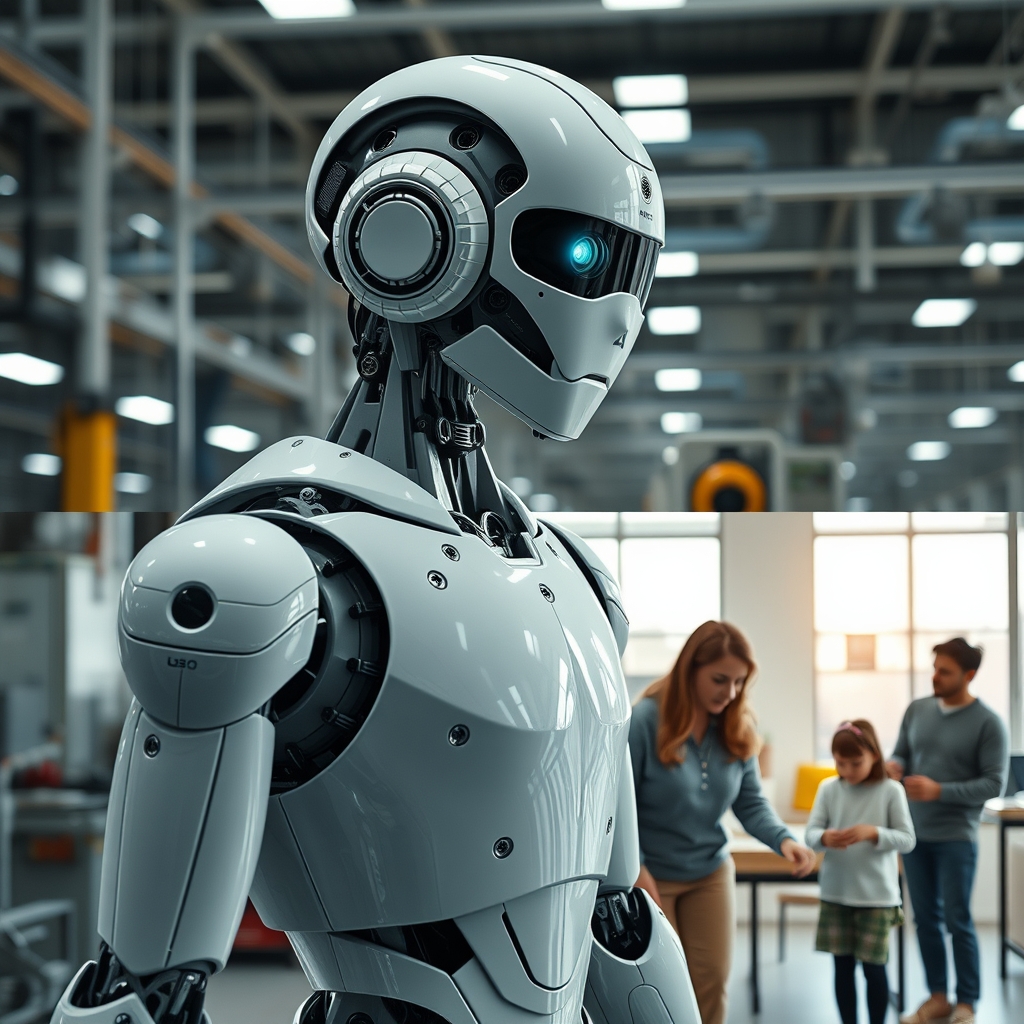
The Technological Evolution and Practical Applications of Humanoid Robots
Humanoid robots are machines designed to resemble the human form, capable of walking on two legs and using their hands—performing actions similar to those of humans. While traditional industrial robots were optimized for repetitive tasks, humanoid robots are engineered to operate in more complex and dynamic environments. For example, Japan’s HRP-4 robot can sing songs, dance, and engage in conversations with humans through integrated artificial intelligence. Thus, humanoid robots go beyond executing simple tasks—they are increasingly equipped with emotional recognition and situational judgment capabilities.
In particular, intelligent interfaces and sensor-based environmental perception technologies have significantly enhanced the real-world applicability of humanoid robots. Systems now enable robots to understand voice commands, detect potential hazards in their surroundings, and respond autonomously. These capabilities make them suitable for applications such as home security, personal care services, and elderly support. In South Korea, a humanoid robot named "RoboCare" has been developed specifically to assist elderly individuals living alone, offering medication reminders, schedule alerts, and emergency warnings.
From Factory to Home: The Transition Potential of Humanoid Robots
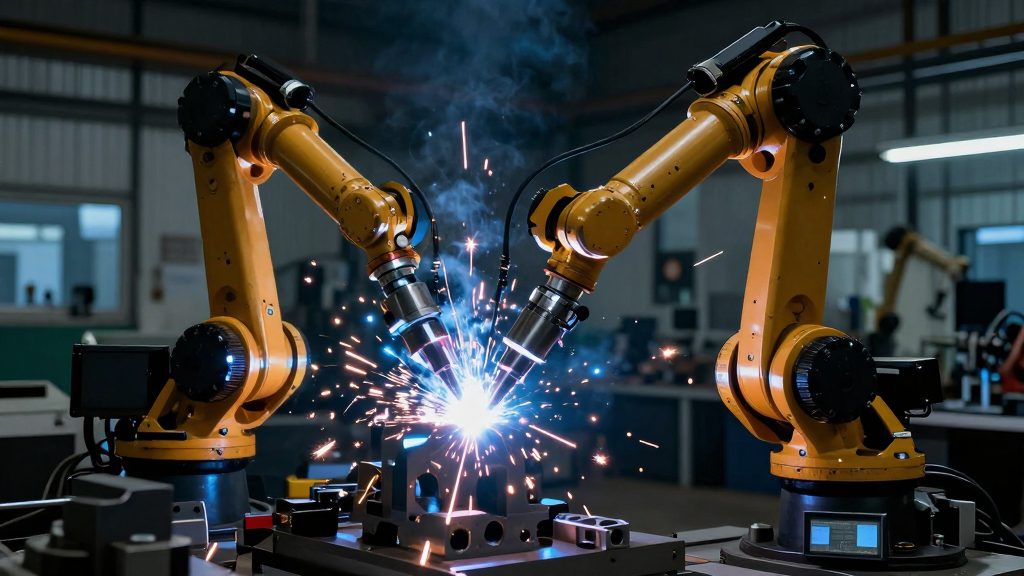
Humanoid robots were initially deployed primarily in industrial settings. For instance, collaborative robots introduced into automobile assembly plants have helped reduce physical strain on workers while boosting productivity. However, these industrial successes have highlighted the robots’ spatial flexibility and interactive potential, suggesting that their use extends far beyond structured factory environments into everyday human living spaces.
Indeed, in recent years, demand for home-based robot services has surged. In South Korea, long-term population aging has driven strong demand for caregiving robots. Humanoid systems are now being tested to provide elderly individuals with regular conversations, continuous monitoring, and behavioral checks. This shift moves beyond mere technological experimentation—humanoid robots are increasingly seen as practical tools for addressing pressing social challenges. Additionally, humanoid robots designed to assist children’s education are under development, featuring systems that deliver language learning and basic science instruction through interactive games.
Practicality and Challenges: Cost, Reliability, and Human Interaction
Although the potential of humanoid robots is vast, several hurdles remain before they can be widely adopted in homes or public spaces. First and foremost is the cost barrier. Humanoid robots equipped with high-performance sensors and advanced AI algorithms remain expensive. Some models cost over 100 million won—far beyond the reach of most average households. This high price tag remains one of the primary factors limiting widespread adoption.
Second, reliability and stability are critical concerns. In environments where robots interact directly with humans, even minor errors or malfunctions can lead to serious consequences. For example, if a robot misinterprets a command or fails to recognize emotional cues correctly, it may cause user frustration or even physical risk. Therefore, ensuring high reliability is essential—requiring continuous testing and iterative improvements.
Thirdly, limitations in social interaction with humans persist. Although robots can hold conversations and attempt to express emotions, they still struggle to fully replicate human empathy or navigate complex interpersonal relationships. As a result, some users may perceive robots merely as mechanical tools rather than companions, making emotional bonding difficult. This challenge could affect the social acceptance of humanoid robots in daily life.
Conclusion: The Future of Humanoid Robots Lies in a Human-Centered Approach
Humanoid robots are evolving beyond technological advancement—they are becoming tools that enhance human life by making it more comfortable and secure. The growing trend of deploying these robots across industries—from factories to homes, hospitals, and elderly care facilities—is expected to accelerate further. Yet technological progress alone is not enough; human-centered design and trustworthy service delivery are equally vital. Ultimately, humanoid robots may symbolize not just the pinnacle of engineering achievement, but a vision for coexistence between humans and machines in the future.
Comments 0