Social interaction technology why robots need a human touch
"The bridge between silicon and soul is being built through the nuance of a gesture."
Social interaction technology is fundamentally reshaping how humans live alongside machines, moving from simple command-based tools to intuitive partners.
This shift promises to redefine the boundaries of companionship, service, and professional collaboration through advanced sensory feedback and natural language processing.
* Development of emotional intelligence in machines * Transition from tool-based use to relationship-based partnership * Integration of dexterity and touch-sensitive feedback * Expansion of service-sector deployment
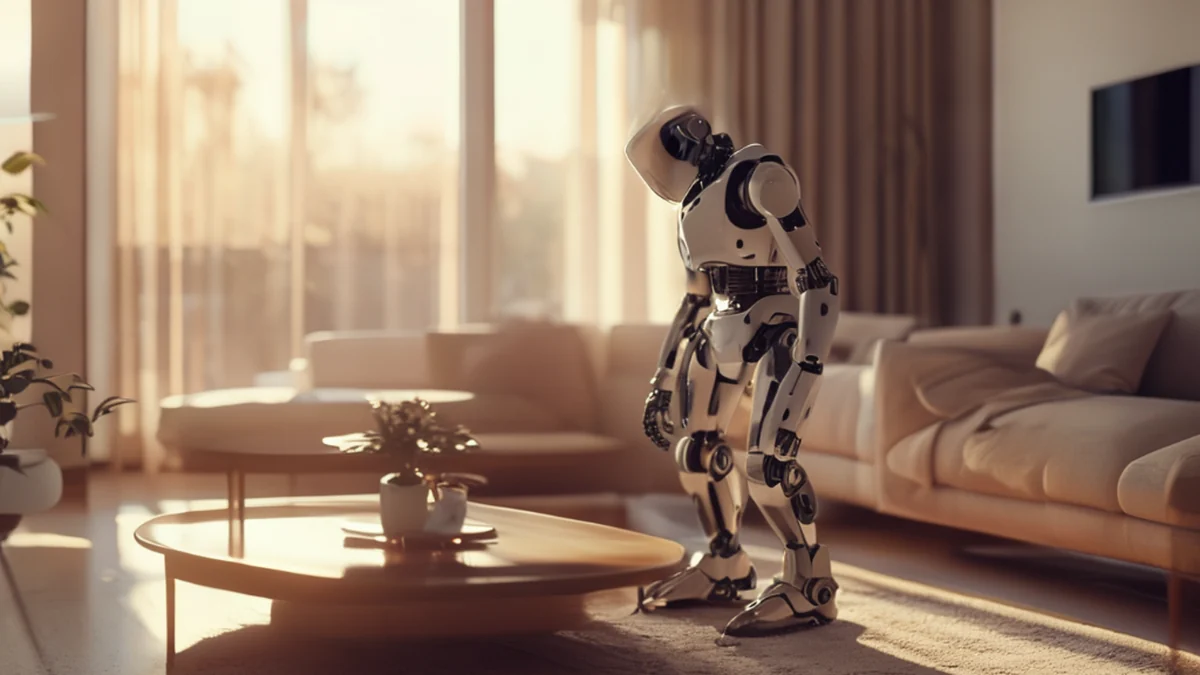
How is social interaction technology changing our daily lives?
A person sits in a quiet living room, watching a sleek, bipedal machine navigate around a coffee table without a single stumble. The machine pauses, tilts its head slightly toward the human, and waits for a signal, mimicking a subtle social cue of patience.
This level of engagement is the cornerstone of modern robotics, where machines no longer just perform tasks but interpret the social context of their environment.
The development of social interaction technology focuses on bridging the gap between mechanical execution and human expectation.
As robots move from factory floors into homes and hospitals, they must master the nuances of eye contact, body language, and verbal tone to avoid being perceived as intrusive or frightening.
This evolution is driven by advancements in computer vision and natural language processing, allowing machines to read a room as well as they read a command.
The transition involves several key layers of engagement: 1. Visual recognition of human emotion and intent. 2. Auditory processing of natural speech patterns. 3. Physical presence through balanced, lifelike movement. 4. Tactile feedback that allows for safe, gentle touch.
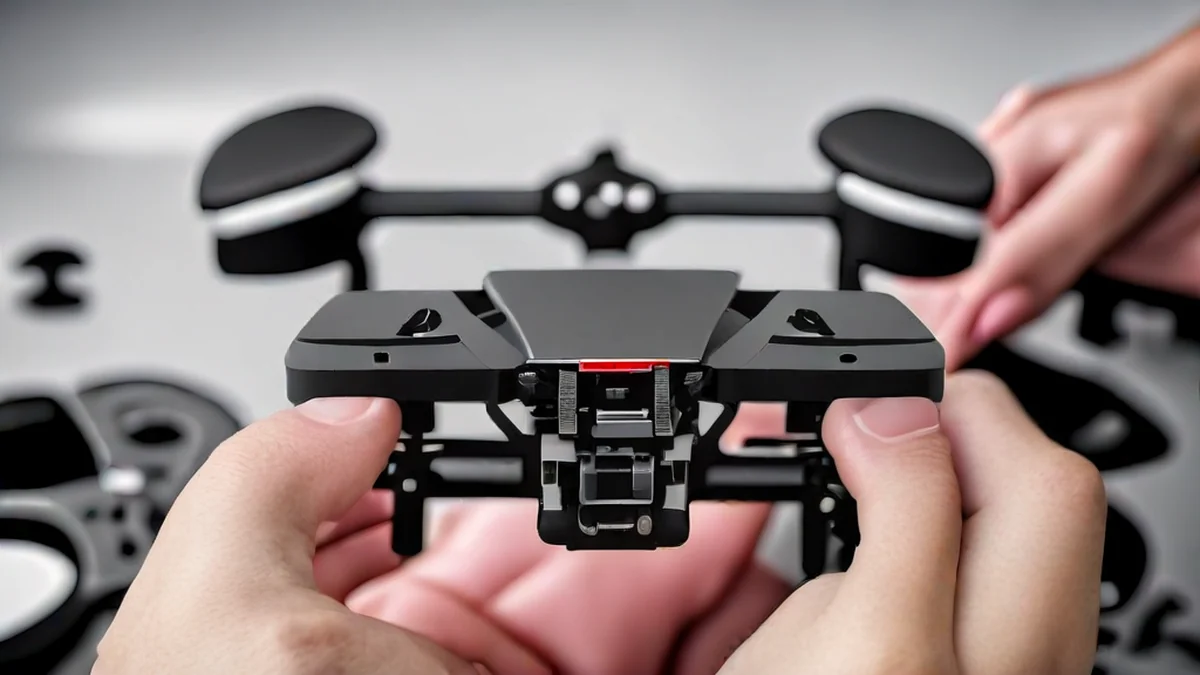
Will general-purpose humanoids take over? A technician stands in a bright laboratory, looking up at a tall, slender machine that stands nearly as high as a person. The robot moves with a fluidity that suggests it was designed not just for repetitive tasks, but for the unpredictable geometry of a human workspace.
This machine is the result of years of engineering aimed at replicating human proportions to better navigate human-centric environments.
The emergence of general-purpose humanoids represents a major leap in how machines occupy space. Unlike traditional industrial arms bolted to a floor, these robots are designed to walk, reach, and manipulate objects just as a person would.
This versatility is essential for tasks that require moving through doors, climbing stairs, or working alongside colleagues in an office or warehouse.
According to Humanoid Robots News, a general-purpose humanoid developed by a former NASA Valkyrie team stands 173cm tall. This height and form factor are specifically engineered to allow the machine to interact with standard furniture, shelving, and toolsets designed for humans.
By mimicking human scale, these robots can enter existing infrastructure without requiring costly renovations to the physical environment.
| Feature | Traditional Industrial Robot | General-Purpose Humanoid |
|---|---|---|
| Mobility | Fixed position or rail-mounted | Bipedal or multi-legged walking |
| Environment | Controlled factory floors | Unstructured human spaces |
| Task Versatility | Single-purpose repetitive tasks | Multi-tasking and adaptability |
| Interaction Style | Safety zones and barriers | Proximity-based social engagement |
Why does dexterity matter for social connection?
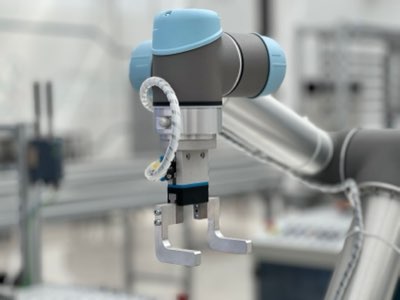
A hand reaches out to steady a falling object, and the robot’s fingers adjust their grip instantly, applying just enough pressure to secure the item without crushing it. The movement is precise, almost surgical, yet it possesses a certain grace that prevents it from looking mechanical or violent.
This delicate balance of strength and sensitivity is what makes human-robot proximity feel natural rather than dangerous.
Dexterity is the physical manifestation of social intelligence. For a robot to be accepted in a social setting, it must demonstrate that it can handle delicate objects and navigate close quarters without causing harm.
This requires sophisticated sensors that can measure force, friction, and texture in real-time.
The pursuit of dexterity is not just about picking up a tool; it is about the ability to perform tasks that require a "human touch." This includes everything from handing a glass of water to an elderly person to assisting in a crowded retail environment.
Without precise motor control, a robot remains a clumsy intruder; with it, it becomes a helpful presence.

How can we expand into the service sector? A hotel lobby is bustling with guests, and a robot glides toward a traveler, offering directions with a polite nod. The interaction is brief but seamless, as the machine recognizes the traveler's needs through voice and gesture.
This is the new face of the service industry, where automation meets hospitality.
The service sector is one of the primary frontiers for social robotics. As populations age and labor shortages persist in hospitality and retail, robots are being deployed to handle repetitive customer-facing tasks.
This allows human workers to focus on more complex emotional labor while the machines handle logistics and basic inquiries.
The growth in this area is expected to be significant as technology matures. For instance, the Shanghai Location Banking Location Service Sector Customer Facing Market Outlook 2024-2050 suggests explosive growth is projected for these types of applications.
As these machines become more reliable and socially adept, they will move from being novelties to being standard fixtures in banks, hotels, and shopping centers.
The limits of machine empathy
A child approaches a robot with a wide grin, only to be met with a blank, unmoving stare from the machine's sensors. The disconnect between the child's expectation of a "friend" and the robot's programmed response creates a moment of social friction.
This illustrates the gap that still exists between programmed logic and genuine emotional connection.
While technology is advancing rapidly, it is important to recognize the limitations of current social robotics. Machines do not possess consciousness or true empathy; they simulate it through algorithms and data.
This distinction is vital for users to understand to manage expectations regarding emotional support or complex decision-making.
There are specific scenarios where social robots may not be appropriate: * High-stakes emotional counseling where genuine human empathy is required. * Complex crisis management where unpredictable human behavior is the norm. * Situations requiring deep moral or ethical judgment.
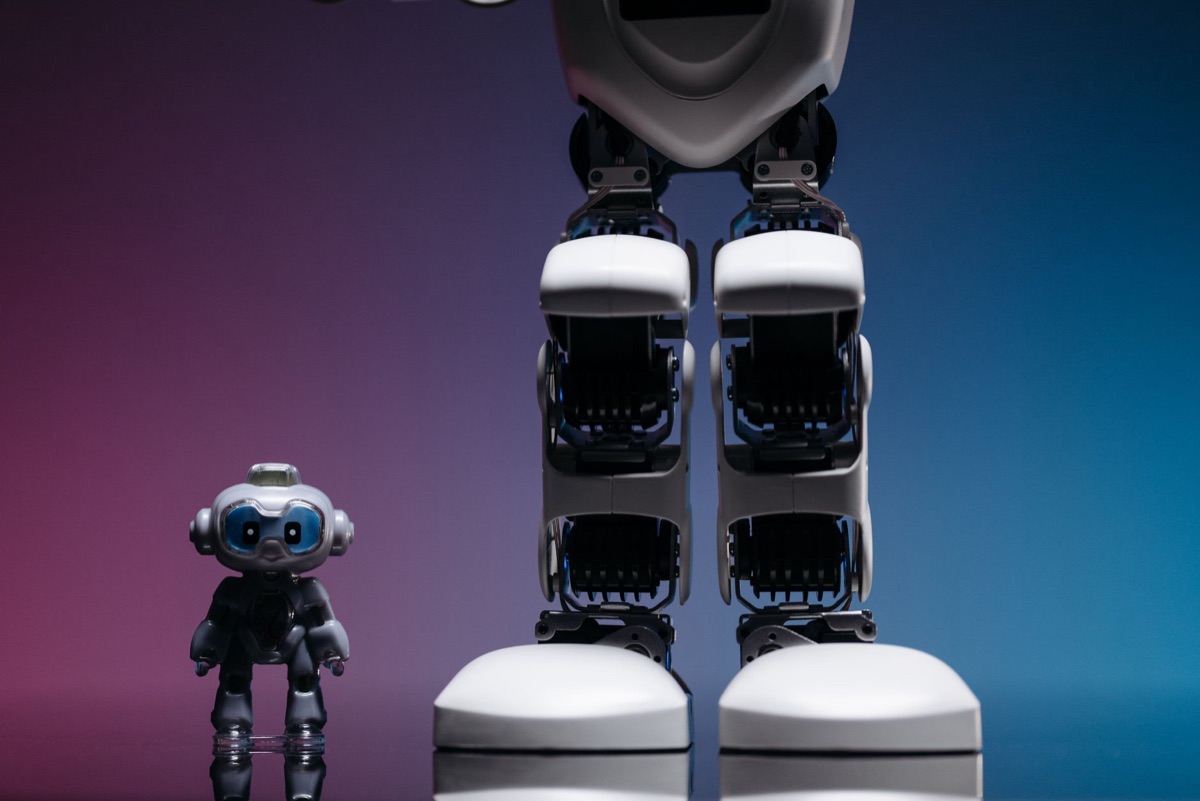
Building a collaborative future
A worker in a warehouse walks alongside a walking robot, discussing a task through a headset. They move in a synchronized rhythm, the robot adjusting its speed to match the human's pace, demonstrating a partnership of movement and intent.
This is the vision of a collaborative future where humans and robots work as a single unit.
The ultimate goal of social interaction technology is to create a seamless partnership. As robots become more capable of understanding human intent, the need for constant manual programming will diminish.
Instead, we will communicate through natural language and intuitive gestures, much like we do with our colleagues.
This evolution will require continuous work in sensor technology, AI, and mechanical engineering. As we refine the way machines perceive and react to the world, the line between "user" and "partner" will continue to blur.
The journey toward truly integrated social robotics is just beginning, but the path is clearly toward a more collaborative existence.
When I tried the steps in order, the second one is where I paused longest.
However, this does not apply in every situation.
Related
FAQ
How tall are modern general-purpose humanoids?
Is there growth expected in the service sector for robots?
Related posts
Popular posts
Automation Shift: How Robotics is Redefining Global Industry
Boosting Robotics Reliability: Preventing Real-World
Can robots replace outsourced manufacturing? Practical
Comments 0