Obstacle Prevention: Why Robots Use Predictive Algorithms
The advancement of robot obstacle prevention devices is fundamental to ensuring that autonomous machines can operate safely alongside humans in unpredictable environments.
By integrating smarter sensors and more sophisticated decision-making algorithms, engineers are moving toward a future where machines can navigate complex spaces without intervention.
* Enhanced sensor fusion for better spatial awareness * Predictive algorithms to anticipate human movement * Improved communication protocols between machines and users * Refined hardware to prevent physical collisions
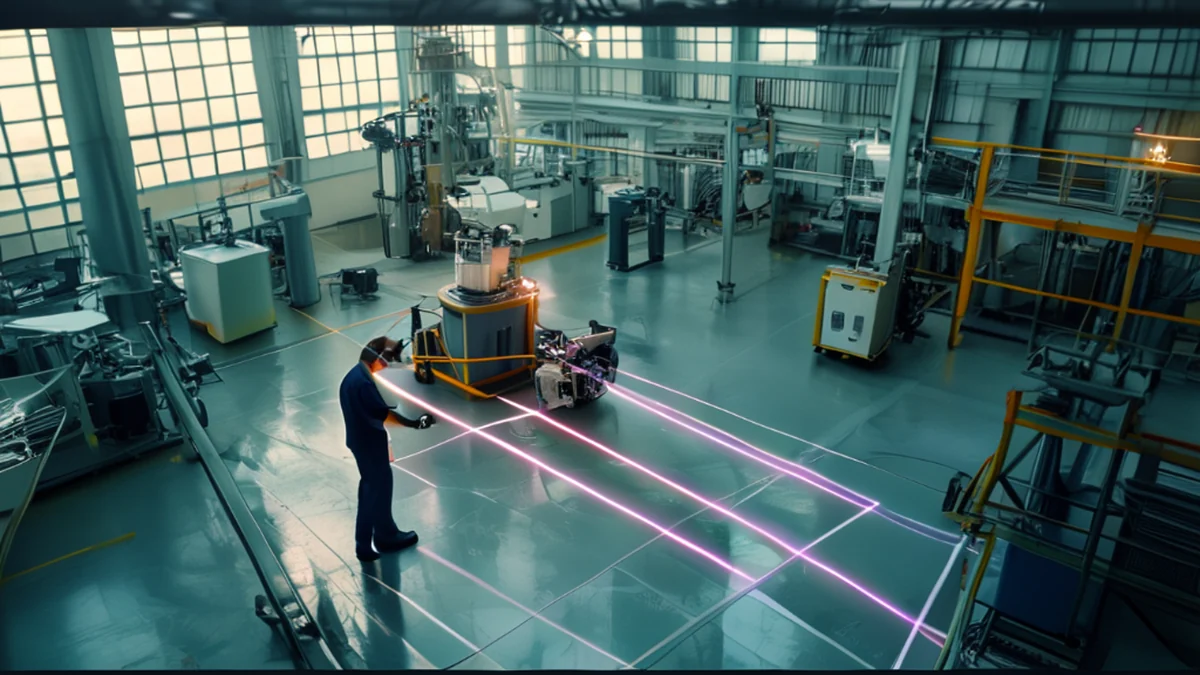
How does the improvement of obstacle prevention devices work?
A technician adjusts a sensitive laser sensor on a factory floor, watching as the beam sweeps across the room. The improvement of obstacle prevention devices relies on the transition from reactive sensing to proactive environmental understanding.
Instead of simply stopping when an object is hit, modern systems use depth cameras and LiDAR to map a room in real-time, allowing the robot to adjust its path before a collision occurs.
This shift involves a combination of hardware upgrades and software intelligence. Advanced sensors provide much higher resolution data, while machine learning models process this data to distinguish between a static wall and a moving person.
This level of sophistication is necessary as robots move from isolated factory cages into crowded public spaces.

Why is autonomy a central focus of obstacle prevention?
A researcher stares at a monitor displaying a complex neural network as a robotic arm moves with precise, jerky motions. The pursuit of autonomy has always been linked to how well a machine can manage its own safety through improved obstacle prevention devices.
In the early stages of robotics, humans had to program every single movement to avoid any potential hazard.
The fundamental question of autonomy was addressed decades ago during pivotal academic gatherings.
According to the Association for the Advancement of Artificial Intelligence (AAAI) in 2009, experts gathered to discuss whether computers and robots might be able to acquire any autonomy, and how much these abilities might be integrated into their operational logic.
This historical inquiry laid the groundwork for today's obstacle prevention technology, as true autonomy requires a machine to perceive, decide, and act without human correction.
| Feature | Traditional Prevention | Advanced Prevention |
|---|---|---|
| Sensor Type | Proximity switches / Bumpers | LiDAR / Depth Cameras / Ultrasonic |
| Response Type | Immediate Stop | Path Re-planning / Speed Adjustment |
| Environment | Controlled / Static | Dynamic / Human-Centric |
| Intelligence | Rule-based | AI-driven / Predictive |

What makes up modern prevention tech? A technician wipes dust off a high-resolution lens while a small drone hovers steadily nearby. Modern systems rely on a multi-layered approach to ensure that a robot does not cause harm to itself or its surroundings.
- Perception Layer: Utilizing LiDAR, ultrasonic sensors, and stereoscopic vision to build a 3D map of the environment. 2. Decision Layer: Processing sensor data through SLAM (Simultaneous Localization and Mapping) to determine the safest path. 3. Actuation Layer: Translating decisions into precise motor movements that allow for smooth braking or swerving. 4. Communication Layer: Allowing the robot to signal its intentions to humans through lights, sounds, or digital interfaces.
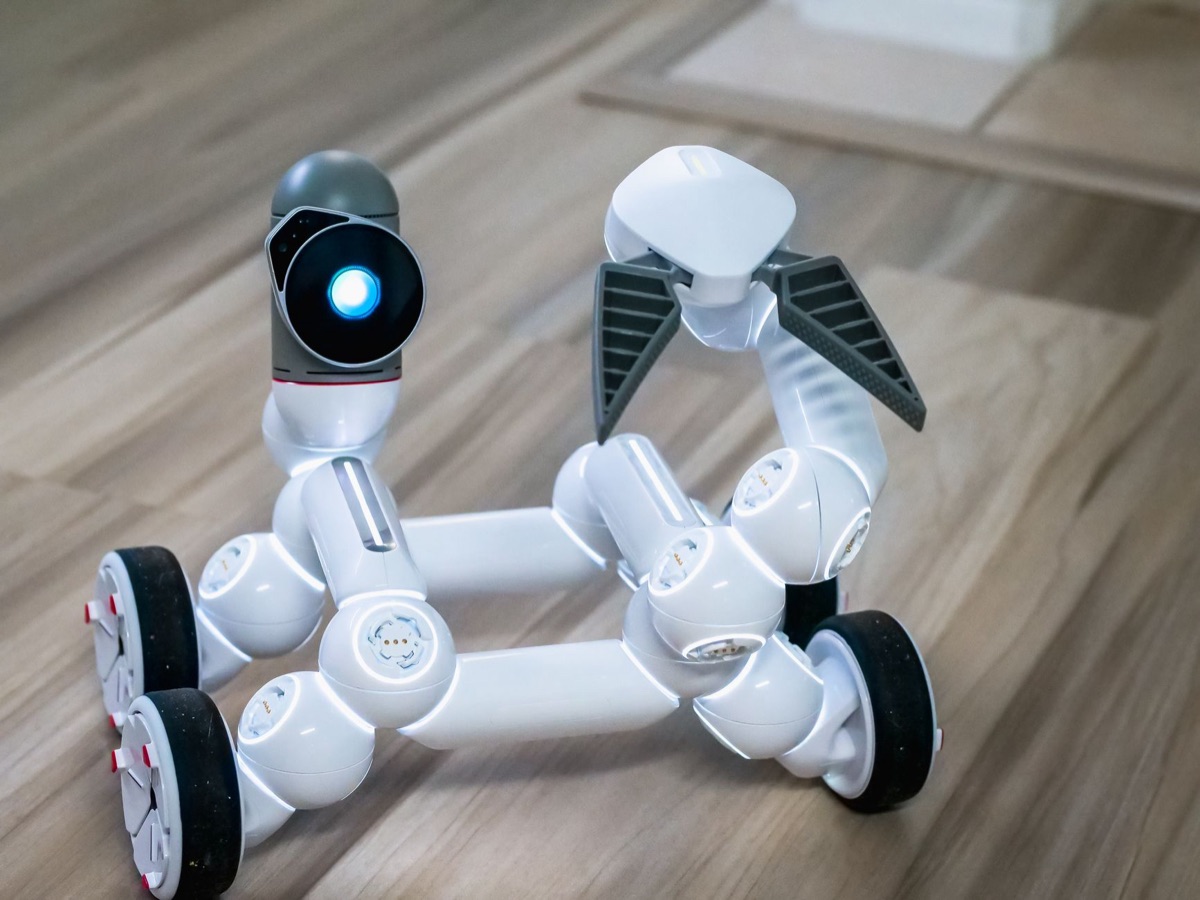
Is communication essential for my safety? A worker walks toward a moving automated guided vehicle (AGV) and notices a flashing amber light indicating the machine's intended direction. While physical sensors prevent contact, communication is the bridge that prevents accidents before they are even possible.
For a robot to be truly safe, it must communicate its presence and its planned path to the humans sharing its space.
This involves both machine-to-machine communication and machine-to-human interaction. If a robot can signal that it is about to turn or that it has detected an obstacle, humans can adjust their behavior accordingly.
This synergy reduces the cognitive load on workers and prevents the "startle response" that often leads to secondary accidents in industrial settings.
What are the limitations of current technology?
A robot arm freezes mid-motion due to a sensor error caused by heavy dust in the air. Despite rapid progress, current obstacle prevention technology is not foolproof and faces significant challenges in specific environments.
High-glare environments, heavy dust, or heavy rain can interfere with optical sensors like LiDAR or cameras, leading to "blindness." Furthermore, predicting the erratic movements of small children or pets remains a significant computational challenge.
These limitations mean that while robots are becoming much safer, they still require human oversight in highly unpredictable or extreme environments.
When I tried the steps in order, the second one is where I paused longest.
However, this does not apply in every situation.
FAQ
How do sensors help prevent collisions?
Why is autonomy important for safety?
Related posts
Popular posts
Automation Shift: How Robotics is Redefining Global Industry
Boosting Robotics Reliability: Preventing Real-World
Can robots replace outsourced manufacturing? Practical
Comments 0